What Is a Waffle Iron, and How Does It Work?
A waffle iron is a kitchen appliance with two hinged, patterned metal plates that cook batter under heat and pressure. When you pour batter onto the lower plate, close the lid, and apply even heat from both sides simultaneously, the batter rises, sets, and develops that signature grid pattern with crispy exteriors and a soft, airy interior.
The basic principle hasn't changed much since the first iron waffle makers appeared over the open fires of medieval European kitchens. What has changed dramatically is the technology behind heat distribution, the materials used for non-stick surfaces, and the level of control you have over the cooking process.
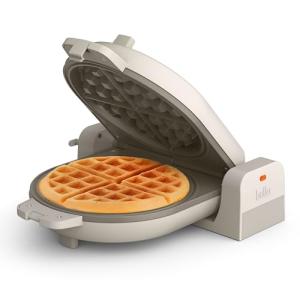
Modern electric waffle irons heat up in minutes, maintain consistent temperatures, and often come with indicators that tell you exactly when to pour and when to lift. The best models give you waffles that are golden-brown every single time, with no guessing and no scraping batter off stuck plates.
Types of Waffle Irons
Understanding the different types on the market is the first step to choosing the right one for your kitchen.
Classic or Belgian Waffle Makers
Belgian waffle makers produce the tall, deep-pocketed waffles most people picture when they hear the word "waffle." These deep grids are perfect for holding toppings — fresh berries, maple syrup, whipped cream, or even fried chicken if you're going that route. Belgian waffles tend to be thicker and airier, often thanks to yeasted or egg-white-folded batters, though any standard batter works fine too.
These are the most popular style in North America, and the market reflects that. You'll find Belgian waffle makers at virtually every price point, from budget-friendly flip models to high-end commercial-grade machines.
Classic American Waffle Makers
American-style waffles are thinner and have shallower grids compared to Belgian ones. They're crisper throughout, hold their shape well, and work wonderfully as sandwich bases or alongside savory dishes. If you grew up with classic diner-style waffles, this is what you're after.
Flip Waffle Makers
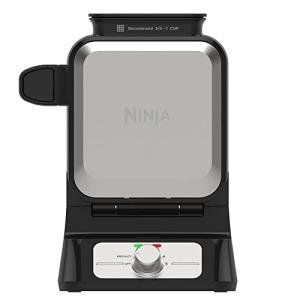
Flip models — sometimes called rotating waffle irons — have a hinge that lets you flip the entire iron 180 degrees after pouring in the batter. This distributes the batter more evenly across both plates and ensures the heating element contacts every part of the waffle consistently. Many serious home cooks and professional kitchens swear by flip models for this reason. They tend to produce more uniformly cooked waffles with an even golden crust on both sides.
Stovetop Waffle Irons
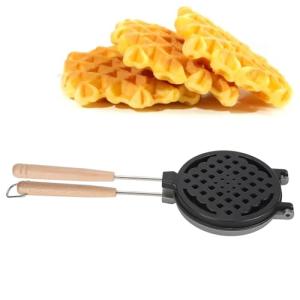
Before electricity entered the picture, all waffles were made on the stovetop or over an open flame. Cast iron stovetop waffle makers still exist, and they have a devoted fan base. They work on gas or electric stoves, heat up from the bottom only (so you flip them manually midway), and produce exceptional waffles with a rustic, slightly uneven charm. They're also indestructible, non-electric, and great for camping.
Mini and Novelty Waffle Makers
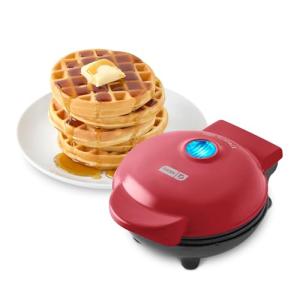
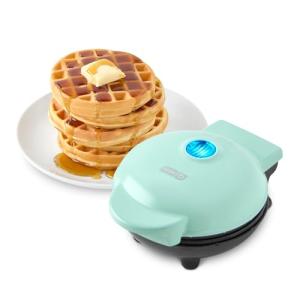
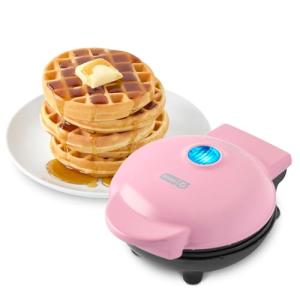
Mini waffle makers have exploded in popularity over the last few years, particularly for making Chaffles (cheese-and-egg waffles popular in low-carb diets) and portioned breakfasts for one. They heat up incredibly fast, take up almost no counter space, and are easy to clean. Novelty versions come in shapes like hearts, animals, and characters, making them a popular gift choice, especially for families with kids.
Multi-Waffle and Commercial-Style Machines
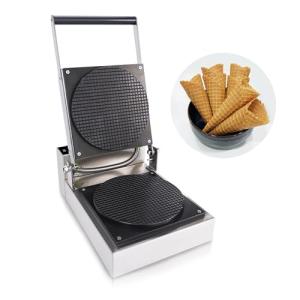
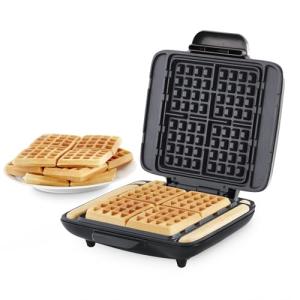
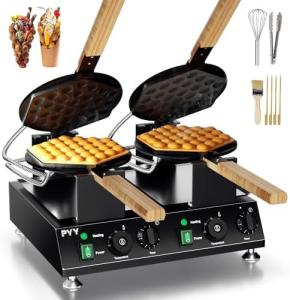
For large families, brunch entertaining, or semi-commercial use, there are machines that cook two, four, or even more waffles simultaneously. These are bigger, heavier, and more expensive, but they eliminate the queue that inevitably forms when you're making waffles for six people one at a time.
Key Features to Compare When Shopping
Plate Material and Non-Stick Coating
The cooking surface is arguably the most important factor in both performance and longevity. Cast iron plates heat evenly and develop a natural non-stick seasoning over time, but they're heavy and require some maintenance. Aluminum plates heat quickly and stay lightweight but can have uneven hot spots. Die-cast aluminum sits somewhere in the middle — denser, more even, and more durable than standard aluminum.
Most modern waffle irons use a non-stick coating, which makes cleanup dramatically easier. Look for PFOA-free coatings, which are healthier and increasingly standard across reputable brands. Ceramic non-stick surfaces are another option — they're free of synthetic coatings entirely and very easy to wipe clean, though they can be more fragile if scratched.
Temperature Control
Budget waffle irons often have a single heat setting or a simple dial with low/medium/high options. This works fine for standard batters, but if you like experimenting — with whole wheat batter, cornmeal waffles, savory options, or thick yeasted dough — precise temperature control matters. Look for models with adjustable browning controls, ideally with numbered settings or a clear dial.
Some premium models include digital thermostats that hold a precise temperature, which is particularly helpful for consistent results when you're making batches.
Indicator Lights and Audible Alerts
A good waffle iron tells you when it's ready to pour and when the waffle is done. Preheat indicator lights are standard on most models. Audio alerts — a beep or chime — are a welcome feature if you tend to wander away from the kitchen while cooking. Some models have both a "ready to pour" indicator and a "waffle done" indicator, which removes nearly all the guesswork.
Size and Plate Shape
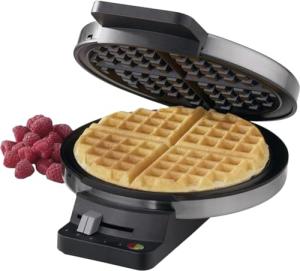
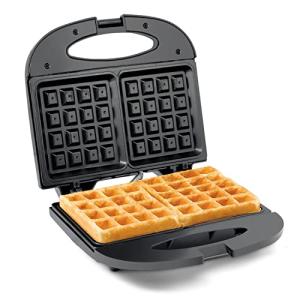
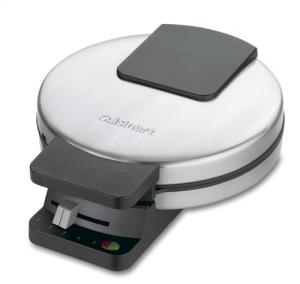
Waffle irons come in round, square, and rectangular plate formats. Round plates are traditional and work well for single-serving waffles. Square plates are popular for Belgian style and produce four equal quarters that are easy to split. Rectangular plates are less common but useful if you like longer waffles or plan to use them as sandwich presses.
Consider the size of the waffle as well. A standard waffle iron makes one 7–8 inch waffle at a time. If you regularly cook for a family of four, you'll either need a large-capacity machine or accept that breakfast will be staggered.
Steam Release and Drip Trays
Waffles release significant steam during cooking — that steam is actually what makes the interior soft and the exterior crispy. A well-designed waffle iron channels this steam safely outward. Poorly designed venting can lead to soggy results or even slight burning if steam stays trapped.
Drip trays are another practical feature worth looking for. Batter overflow is common, especially when you're still learning how much to pour. A built-in drip tray keeps your counter clean and simplifies cleanup considerably.
Cord Length and Storage
A minor consideration that becomes a major annoyance if you get it wrong. Short cords limit where you can place the machine. Cord wrap or storage features are helpful for keeping the cord neat. Some models have locking lids, which lets you store the iron vertically and save significant drawer or cabinet space.
Waffle Iron Maintenance and Care
Taking care of your waffle iron properly extends its life significantly and keeps it performing at its best.
Cleaning the plates is the most important part of maintenance. Always wait for the machine to cool before cleaning. Most non-stick plates can be wiped clean with a damp cloth or paper towel. Never submerge an electric waffle iron in water. For stubborn residue, a soft silicone brush or a toothbrush works well. Avoid metal utensils or abrasive sponges, which damage non-stick coatings.
Seasoning cast iron plates (on cast iron models) involves rubbing a thin layer of vegetable oil onto the plates before the first use and occasionally thereafter. This maintains the natural non-stick surface and prevents rust.
Avoiding batter overflow is easier with practice. A general rule is to fill the lower plate about two-thirds of the way — the batter expands significantly when it hits the heat. Keep a small measuring cup or ladle dedicated to your waffle iron to build consistency.
What to Look for at Different Price Points
Budget Range ($20–$50)
Entry-level waffle irons in this range are perfectly capable of making good waffles if you have modest expectations. They typically have basic non-stick coating, one or two heat settings, and standard indicator lights. They're lightweight, heat up quickly, and are easy to clean. Great for occasional use, small households, or anyone trying waffle-making for the first time.
Mid-Range ($50–$120)
This is where the market really delivers. Mid-range models typically offer adjustable browning controls, better non-stick surfaces, more even heat distribution, and more durable construction. Many of the most-loved waffle irons on the market sit in this price bracket. If you make waffles regularly and want reliable results every time, this is the sweet spot.
Premium Range ($120–$400+)
Professional-grade and commercial-style waffle irons in this range offer precise digital temperature control, rapid heat recovery between waffles, heavier-duty construction, and sometimes commercial-grade plates that genuinely last decades. They're worth the investment for frequent use, large households, or anyone who considers Sunday brunch a serious pursuit.
Beyond Breakfast: Surprising Uses for a Waffle Iron
One of the most compelling things about a waffle iron is how far its usefulness extends beyond traditional morning waffles.
Hash browns and potato cakes come out beautifully in a waffle iron — crispy on every surface, cooked through quickly. Grilled cheese sandwiches pressed in a waffle iron have extra crunch and fun ridges for melted cheese to fill. Brownies and cinnamon rolls cooked in waffle irons are a niche but passionate community of their own. Chaffles, made from eggs and cheese for a low-carb waffle substitute, have become a staple for keto dieters. Even falafel, corn on the cob, and sushi rolls have found their way onto waffle plates in adventurous kitchens.
A waffle iron, in short, is one of the most versatile appliances in a well-equipped kitchen — far more so than its single-purpose reputation suggests.
Choosing the Right Waffle Iron for You
Before buying, ask yourself a few honest questions. How often will you actually use this? Are you cooking for one person or a household? Do you care more about convenience and quick cleanup, or are you willing to invest a few extra minutes for exceptional quality? Are you focused purely on classic waffles, or do you want the flexibility to experiment with other foods?
If you're a casual waffle maker who wants something fast and easy, a mid-range round or square non-stick model with adjustable browning will serve you beautifully. If you take your waffles seriously and want consistent, restaurant-quality results at home, a heavy flip model with precise temperature control is worth every extra dollar. And if you're buying for a family or love hosting weekend brunches, a dual-waffle or large-capacity machine turns cooking for a crowd from a chore into a pleasure.
Whatever your needs, there's a waffle iron on this page built exactly for them.