Browse our full Pizza Pans & Stones collection to find the perfect match for your kitchen, your oven, and your pizza style.
Pizza Pans & Stones
Product List
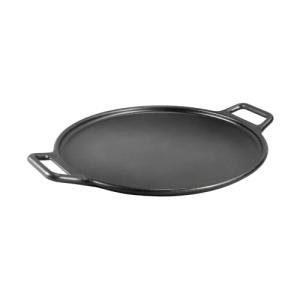
Lodge BOLD 14 Inch Seasoned Cast Iron Pizza P...
Product Review Score
4.17 out of 5 stars
200 reviews$59.90
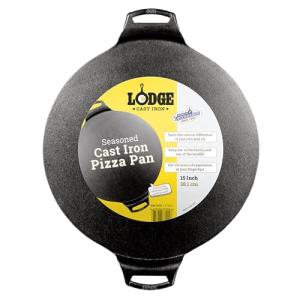
Lodge 15 Inch Cast Iron Pizza Pan - PFAS-Free...
Product Review Score
4.84 out of 5 stars
117 reviews$39.90
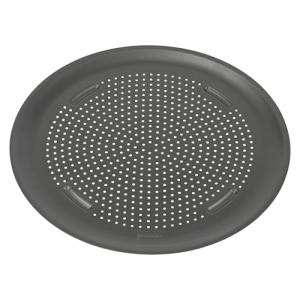
GoodCook AirPerfect Insulated Nonstick Carbon...
Product Review Score
4.52 out of 5 stars
7 reviews$19.99
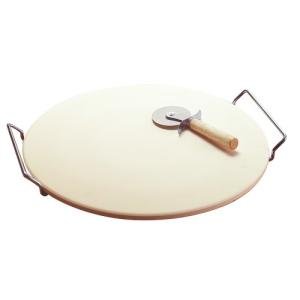
GoodCook Oven to Table Ceramic Stoneware Pizz...
Product Review Score
4.7 out of 5 stars
84 reviews$24.95 $22.25
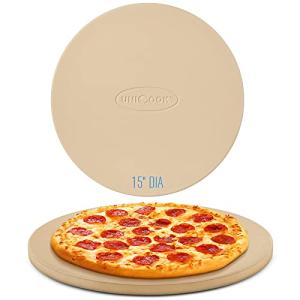
Unicook Pizza Stone for Grill Oven, 15 Inch R...
Product Review Score
4.49 out of 5 stars
83 reviews$46.99 $39.99
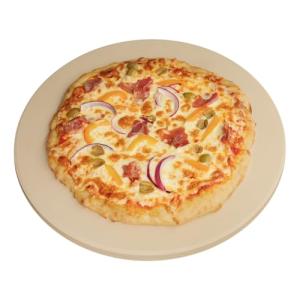
Old Stone Round Pizza Stone, 16-Inch
Product Review Score
4.54 out of 5 stars
140 reviews$43.95 $29.95
Why the Right Baking Surface Changes Everything
Home ovens are fundamentally different from professional pizza ovens. A traditional wood-fired oven runs at 800–900°F and blasts heat from every direction. Your home oven tops out around 500–550°F, and it heats unevenly, with most of the energy radiating from the bottom element in cycles.
To compensate for this, you need a baking surface that absorbs and holds heat — one that delivers an intense, even blast of energy to the bottom of your dough the moment it makes contact. That's what separates a limp, doughy crust from one that's golden, crisp, and just the right amount of chewy.
Different pans and stones approach this problem differently. Some are designed for thin-crust Neapolitan-style pizza. Others are built for thick pan pizza with crispy, oily edges. Some work best in conventional ovens; others shine on the grill or under the broiler. Understanding the differences means you can match the tool to the style of pizza you actually want to make.
Pizza Stones: The Classic Choice for Crispy, Artisan-Style Crusts
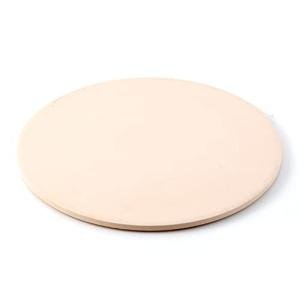
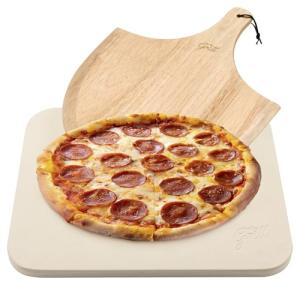
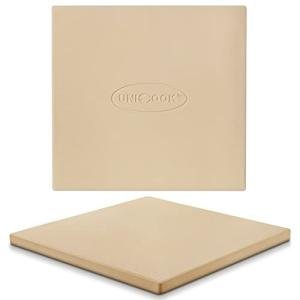
A pizza stone is the closest thing a home cook has to a professional deck oven. Made from natural or engineered materials — typically cordierite, ceramic, or firebrick — pizza stones work by absorbing heat during a long preheat and then releasing it quickly and evenly into the base of your dough.
How Pizza Stones Work
The key principle is thermal mass. When you place a pizza stone in a cold oven and preheat for 45–60 minutes, the stone soaks up a tremendous amount of energy. When raw dough hits that surface, the stone dumps heat into it rapidly — faster than a metal pan could, and certainly faster than a cold rack. This rapid heat transfer causes the dough to spring up quickly (what bakers call "oven spring") and the base to crisp before the toppings have a chance to make the crust soggy.
Cordierite Stones
Cordierite is the gold standard material for pizza stones. It's a naturally occurring mineral that can withstand extreme thermal shock — meaning you can go from a cold garage to a 500°F oven without worrying about it cracking. Cordierite stones heat evenly, last for years with proper care, and produce consistently excellent results for thin and medium-crust pizzas. If you're looking for a reliable all-rounder that works in the oven or on the grill, a cordierite stone is the place to start.
Ceramic Stones
Ceramic pizza stones are generally more affordable than cordierite and can produce beautiful results, but they require more careful handling. Ceramic is sensitive to thermal shock, so it's important to let the stone heat up gradually with the oven and never expose it to sudden temperature changes (like placing a cold stone in a hot oven, or putting a hot stone under cold water). With the right care, a good ceramic stone will reward you with evenly browned, crispy crusts for years.
Firebrick and Natural Stone
Some bakers swear by actual firebrick or slabs of natural soapstone or granite. These materials have exceptional thermal mass — they hold more heat than most manufactured stones and can produce results that come incredibly close to a true wood-fired oven. They're heavier, less convenient, and can be harder to source, but for the serious pizza enthusiast, they're worth exploring.
Caring for Your Pizza Stone
Pizza stones should never be washed with soap — the porous surface will absorb it, and you'll taste it in your next pizza. Scrape off any debris with a stiff brush or bench scraper once the stone has cooled completely. Discoloration is normal and actually desirable; a well-seasoned, darkened stone is a badge of honor. Store it in the oven if you have space — it adds thermal mass to every bake you do, not just pizza nights.
Pizza Pans: Versatility, Convenience, and Variety
Pizza pans are the everyday workhorses of the pizza world. They come in more styles than you might expect, and the right pan for you depends almost entirely on the type of pizza you want to make.
Round Pizza Pans
The classic round pizza pan is what most people picture — a flat, circular piece of metal with a low lip. These are straightforward and effective. Aluminum pans heat quickly and cool down fast, making them easy to manage. Darker-colored pans absorb more heat and tend to produce crispier bottoms. If you're making a standard home pizza with a moderate crust, a good-quality round pan gets the job done without any fuss.
Perforated Pizza Pans
Perforated pans have dozens of small holes punched through the base. The logic is simple: airflow. By allowing hot oven air to circulate directly under the pizza, perforated pans help moisture escape from the dough, resulting in a crispier, lighter crust. They're particularly effective for thin-crust pizzas where you want that crisp snap without a dense, chewy base. They're also easy to use — no long preheat required, and you can slide them in and out of the oven with ease.
Deep Dish and Sicilian-Style Pans
If you're a fan of thick, doughy, slab-style pizza — the kind where the crust is more like a focaccia bread and the cheese and sauce are piled high — you need a deep dish or Sicilian pan. These are typically made from heavy-gauge steel or cast iron with high sides. You oil the pan generously before pressing the dough in, and the result is a bottom crust that fries slightly in the oil, creating a crunchy, almost caramelized exterior with a soft, pillowy interior. It's an entirely different pizza experience from Neapolitan style, and just as legitimate. Chicago-style deep dish pans have a slightly different shape — deeper and with sloped sides — which allows you to build those famous tall layers of toppings.
Cast Iron Pizza Pans
Cast iron is having a moment in the pizza world, and for good reason. A well-seasoned cast iron pan or skillet retains heat incredibly well, creates a wonderfully crispy bottom crust, and can go straight from stovetop to oven — a technique some cooks use to simulate the intense bottom heat of a professional oven. Cast iron is heavy, requires some maintenance (drying thoroughly after washing, occasional re-seasoning), but it's virtually indestructible and only gets better with age.
Baking Steels
Technically not a "pan," but firmly in the family: baking steels are thick slabs of carbon steel that function like pizza stones on steroids. Steel conducts heat even more efficiently than stone, which means faster preheating and a more intense blast of bottom heat. The result is a crust with serious chew and a blistered, irregular bottom reminiscent of a proper pizza parlor. Baking steels are heavy and expensive, but for pizza enthusiasts who bake multiple times per week, they're a transformational upgrade.
Matching Your Pan or Stone to Your Pizza Style
Not every tool works equally well for every pizza. Here's a quick guide to help you choose:
Neapolitan / thin crust — Cordierite pizza stone or baking steel. Long preheat, high heat, quick cook time. Aim for leopard-spotted char on the crust.
New York-style — Perforated pan or pizza stone. Slightly longer bake, moderate heat. You want flexible slices that fold without cracking.
Chicago deep dish — Deep dish steel or cast iron pan. Lower heat, longer bake, generous oil in the pan. The crust should be almost fried on the outside.
Sicilian / focaccia-style — Rectangular deep pan, well-oiled. Dimple the dough, let it proof in the pan, then bake low and slow before cranking the heat.
Grilled pizza — Cordierite stone placed on the grill grates, or grill-safe cast iron. High heat, very fast cook. Watch carefully; things happen quickly.
Getting the Best Results: Tips That Apply to Everything
Regardless of which pan or stone you choose, a few universal habits will dramatically improve your pizza:
Preheat properly. For stones and steels, 45–60 minutes at your oven's maximum temperature is not excessive — it's necessary. For pans, even 10–15 minutes of preheating makes a noticeable difference.
Use a pizza peel or parchment paper. Transferring a raw, topped pizza onto a screaming-hot stone is tricky. A wooden or metal peel dusted with semolina makes it much easier. Parchment paper works well too, though it will brown and crisp in the oven.
Don't overload with toppings. This is the most common home pizza mistake. Too many toppings = too much moisture = soggy crust. Less is more. Use less sauce than you think you need.
Let it rest. Two minutes of resting after the pizza comes out of the oven makes slicing cleaner and lets the cheese settle.
How to Choose the Right Size
Pizza pans and stones come in sizes ranging from personal 8-inch rounds to large 16-inch family-sized slabs. Consider your oven's dimensions first — measure the interior width and depth before buying a large stone. Most standard home ovens accommodate a 14-inch round or a 14×16-inch rectangular stone comfortably. If you're cooking for two, a 12-inch pan is plenty. For families or entertaining, go as large as your oven allows.
Cleaning, Storage, and Longevity
Taking care of your pizza surface extends its life significantly. A few rules:
- Stones: No soap, ever. Scrape and brush. Let discoloration happen.
- Cast iron: Dry completely, apply a thin coat of oil after washing.
- Steel: Same as cast iron — dry and season regularly to prevent rust.
- Aluminum pans: Dishwasher-safe in most cases, but hand washing preserves the finish longer.
- Perforated pans: Check the holes for debris; a bottle brush helps.
A great pizza starts long before the dough hits the oven. The surface it bakes on — whether a well-seasoned cordierite stone, a perforated aluminum pan, or a thick cast iron beast — sets the ceiling for what's possible. Invest in the right tool for the pizza you love most, treat it well, and it will repay you with hundreds of incredible home-baked pizzas.