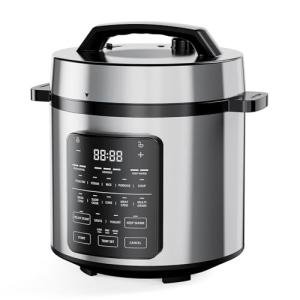
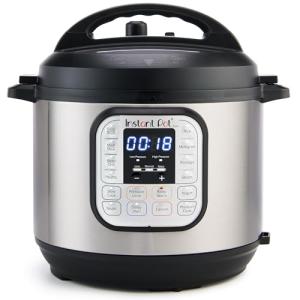
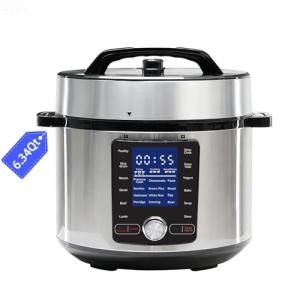
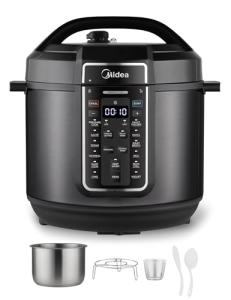
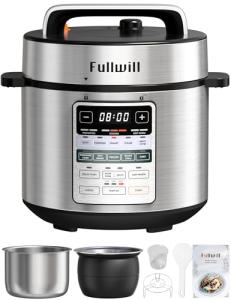
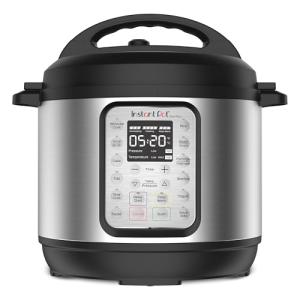
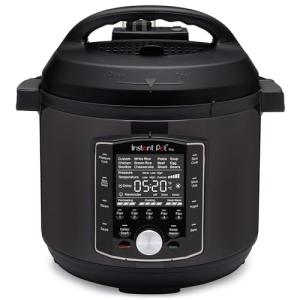
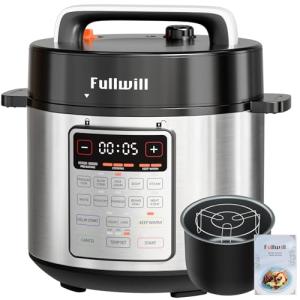
What Is an Electric Pressure Cooker?
At its core, an electric pressure cooker is a sealed pot that traps steam as food heats up inside it. That trapped steam builds pressure, which raises the internal temperature well above the normal boiling point of water — and that higher heat is what cooks food so much faster than conventional methods. The science has been around since the 17th century, but the modern electric version made the technology genuinely approachable for everyday home cooks.
Unlike old-school stovetop pressure cookers — the ones your grandparents may have been a little nervous around — electric models are fully automated. You set the time and pressure level, close the lid, and walk away. The cooker builds pressure on its own, maintains it throughout cooking, and either releases the steam automatically or signals you when it's safe to do so manually. There's no stove to tend, no guesswork involved, and the safety features built into modern machines make the whole process remarkably foolproof.
Today, most electric pressure cookers are really multi-cookers in disguise. They don't just pressure cook — they slow cook, sauté, steam, make rice, ferment yogurt, and in some cases, air fry. For a lot of households, one of these machines genuinely replaces four or five separate appliances.
Why Buy One? The Real Benefits
Speed is the obvious one. Electric pressure cookers can cut cooking times by up to 70% compared to traditional methods. Chicken thighs that usually take 45 minutes in the oven are done in 15. A pot of dried chickpeas that would simmer for two hours on the stovetop is ready in 35 minutes. For busy households, that kind of time savings isn't a luxury — it's a game changer.
But flavor is actually the bigger story. Because everything cooks in a sealed environment, none of the steam or aroma escapes. Soups taste like they've been simmering all day. Stews develop richness and depth that usually takes hours. Spices and seasonings penetrate deeper into meat because the pressurized environment forces liquid into the fibers of the food rather than just cooking the surface. The results often genuinely surprise first-time users.
Nutrition holds up better too. Shorter cooking times and a closed system mean water-soluble vitamins and minerals don't leach out the way they can with prolonged boiling or steaming. Vegetables cooked under pressure retain more of their color, texture, and nutritional content than the same vegetables simmered in an open pot for thirty minutes.
And then there's the hands-off convenience. You don't hover. You don't stir. You don't adjust the heat. You set it and leave the kitchen entirely. That's a meaningful quality-of-life improvement on busy evenings, and it makes meal prep on weekends much less draining.
Choosing the Right Size
Size is the first decision to make, and it matters more than most people realize before they buy.
3–4 quart models are compact and perfect for one or two people. They fit neatly on small counters, heat up faster, and are easier to store. If you're a solo cook or a couple without big batch-cooking ambitions, these are genuinely ideal — not a compromise.
6–8 quart models are the sweet spot for most families. A 6-quart can comfortably handle a whole chicken, a large pot of soup, or enough chili for four to six people. This is the size range you'll find in the majority of homes, and for good reason — it's large enough to cook for a crowd without being unwieldy to move or wash.
8–10 quart and larger models make sense if you regularly cook for large groups, do serious batch cooking, or want to pressure can. These machines take up more counter space and take longer to come to pressure, but they're indispensable for big families or dedicated meal preppers.
A practical rule of thumb: fill a pressure cooker no more than two-thirds full for most foods, and only halfway full for liquids that expand (beans, grains, anything that foams). So if you typically cook for four people, a 6-quart will feel more spacious than you'd expect.
Key Features to Look For
Pressure settings. The best electric pressure cookers give you at least two pressure levels — high and low. High pressure is ideal for tough cuts of meat, dried legumes, and dense vegetables. Low pressure is better for delicate foods like fish, eggs, or tender vegetables that can turn mushy under full pressure. Some premium models go further, letting you dial in exact pressure levels and temperatures.
Cooking programs and presets. Most machines come loaded with one-touch presets for common dishes: rice, beans, soup, poultry, slow cook, sauté, steam, and yogurt are the most common. These presets aren't magic — they're simply pre-set combinations of pressure, time, and temperature — but they're genuinely useful for beginners and for routine cooking. Higher-end models may add programs for sous vide, cake, egg, ferment, and even air fry.
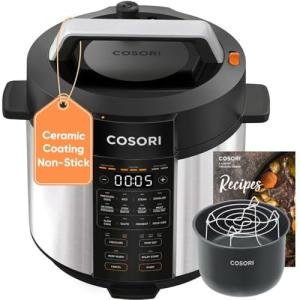
The inner pot material. Stainless steel inner pots are durable, non-reactive, and dishwasher safe. They're the standard choice for most quality machines and the right pick for most cooks. Non-stick and ceramic-coated pots are easier to clean and release food more easily, but they require more careful handling and tend to show wear over time. If longevity matters to you, stainless steel is usually the safer long-term investment.
Sauté performance. One of the most useful functions in any multi-cooker is the ability to brown meat and aromatics directly in the pot before pressure cooking. This is called sautéing, and it makes a real difference to the final flavor of stews, braises, and soups. Not all machines sauté equally well — budget models sometimes produce uneven heat or don't get hot enough to develop a proper sear. If this matters to your cooking, check reviews specifically for sauté performance before buying.
Display and controls. A clear, readable display and intuitive controls make the difference between a machine you love and one that sits in a cabinet. Look for a display that shows the current cooking stage (preheating, pressurizing, cooking, depressurizing), remaining time, and any warnings. Some high-end models now include full-color touchscreens, app connectivity, and Wi-Fi features — useful for some cooks, unnecessary for others.
Safety features. Modern electric pressure cookers are extremely safe, but look for these basics: a locking lid that physically prevents opening while under pressure, a pressure release valve, overheat protection that cuts power if something goes wrong, and low-liquid detection. These features are standard on most reputable brands but worth confirming before you buy.
Understanding Pressure Release Methods
One thing that surprises new pressure cooker users is that cooking time on the clock isn't the only time you need to account for. There are two ways to release pressure after cooking is done, and each affects the final result differently.
Natural pressure release means you simply let the machine sit after cooking until the pressure drops on its own. This can take anywhere from 10 to 30 minutes depending on what's inside. It's the right choice for large cuts of meat, beans, grains, and anything where you want the food to continue absorbing liquid as it rests. It also prevents the rapid bubbling that can cause foamy or starchy foods to clog the valve.
Quick release means you manually turn the steam valve to vent the pressure immediately. It's fast — usually two to five minutes — and ideal for delicate foods like vegetables or fish where you want to stop the cooking process right away. Just make sure to keep your hand and face away from the steam when you do it.
Many recipes call for a combination: pressure cook, then natural release for 10 minutes, then quick release for the rest. Understanding this rhythm is one of the small learning curves that comes with a new machine.
Who Are Electric Pressure Cookers Best For?
Honestly? Most home cooks. But a few groups benefit especially:
Busy families who need to get dinner on the table fast without sacrificing the quality of a slow-simmered meal. Weeknight cooking with a pressure cooker is genuinely different — you can make something that tastes like it took all afternoon in under an hour.
Meal preppers who cook in large batches on weekends. A single session with a pressure cooker can yield multiple days' worth of grains, proteins, and soups.
Budget-conscious cooks who buy cheaper, tougher cuts of meat. Electric pressure cookers are almost magical for making inexpensive ingredients — chuck roast, chicken thighs, dried beans, oxtail — taste genuinely luxurious.
Anyone with limited time or energy who still wants to eat home-cooked food. The hands-off nature of pressure cooking is a real accessibility feature. You don't need to watch it, stir it, or do much of anything while it runs.
Brands Worth Knowing
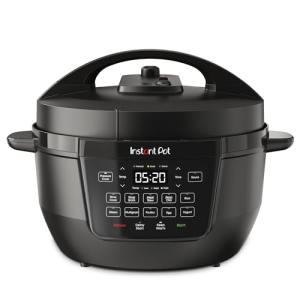
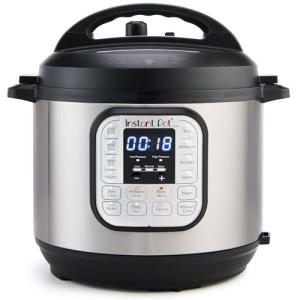
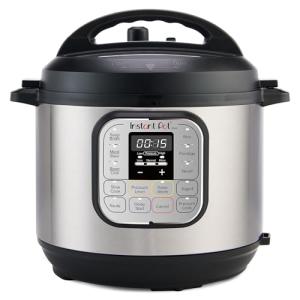
A handful of brands consistently appear at the top of independent testing and real-world user reviews. Instant Pot remains the benchmark, especially for beginners, with a massive recipe ecosystem and reliable performance across its lineup. Ninja has carved out a strong position with its multi-cooker models, particularly those that combine pressure cooking with air frying. Breville makes premium machines with more precise control and better sauté performance, aimed at more experienced cooks. Cosori has emerged as a strong mid-range option with excellent value for the feature set.
Getting the Most Out of Your Electric Pressure Cooker
A few practical tips that make a real difference: always add at least one cup of liquid before pressure cooking — the steam needs something to work with. Don't overfill the pot. Learn the difference between natural and quick release, and choose based on what you're cooking. And give yourself a few trial runs with forgiving recipes like soups and beans before you attempt something more precise. The machine has a small learning curve, but it's genuinely short — most people feel completely comfortable after three or four uses.
Electric pressure cookers aren't just another kitchen gadget that sounds good in theory. For the right household, they become the most-used appliance in the kitchen. And once you've pulled off a perfectly tender pot roast on a Tuesday night with minimal effort, it's pretty hard to go back.