When it comes to kitchen essentials, bowls are a must-have for any chef or home cook. Whether you're whipping up a salad, mixing ingredients, or serving snacks, the right bowl can make all the difference. Explore our collection to find the perfect bowls that fit your style and needs—functionality meets flair!
Bowls
Find the perfect bowls for every meal and occasion
Product List
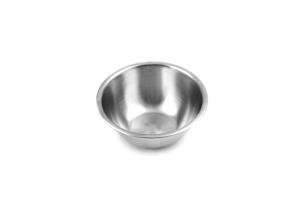
Fox Run Stainless Steel Small Mixing Bowl, 7....
Product Review Score
4.82 out of 5 stars
38 reviews$6.58
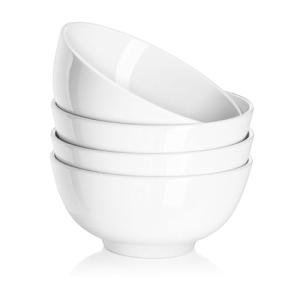
DOWAN 22 OZ White Ceramic Bowls Set of 4 - Pe...
Product Review Score
4.67 out of 5 stars
186 reviews$29.99 $21.99
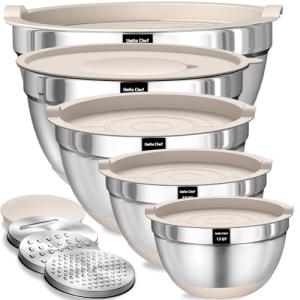
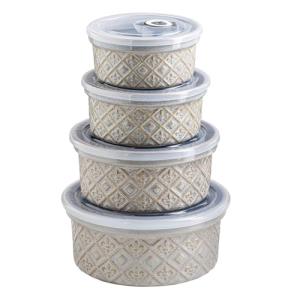
Umite Chef Mixing Bowls with Airtight Lids Se...
Product Review Score
4.13 out of 5 stars
227 reviews$37.99 $31.98
MALACASA 26 Oz Porcelain Soup Bowls Set of 4,...
Product Review Score
4.22 out of 5 stars
109 reviews$25.99 $19.99
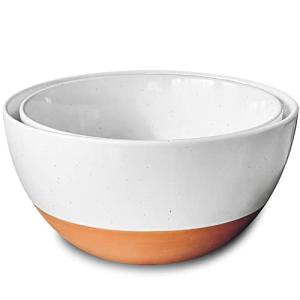
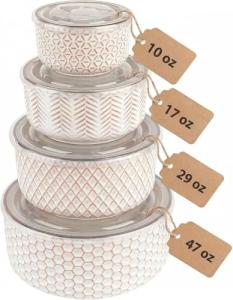
Why Bowls Matter More Than You Think
Plates get the glory. Knives and pans get the attention of serious cooks. But bowls? Bowls do the quiet, essential work that keeps a meal running smoothly.
Think about how many times a day a bowl shows up in your kitchen. Mixing ingredients before they hit the pan. Resting dough while it rises. Holding a quick snack between meetings. Serving a communal salad that gets passed around the table. Catching the scraps while you prep. Presenting a dessert that deserves to look as good as it tastes.
A bowl isn't just a vessel — it's a tool, a surface, a stage. Choosing the right one means less spillage, better presentation, easier cleanup, and a cooking experience that just flows better. That's why this category exists: because bowls aren't all the same, and finding the right one for the right job genuinely matters.
Types of Bowls and What They're Actually For
Soup Bowls
A proper soup bowl is deeper than it looks and wider than a standard cereal bowl. That depth matters — it keeps broth from splashing when you ladle generously, holds heat longer, and gives you room for toppings without crowding. Classic soup bowls typically hold between 8 and 16 ounces, though larger options work well for heartier stews and ramen portions that are more of a meal than a starter.
Some soup bowls come with lids, which is a genuinely useful feature if you like to serve directly at the table and want to keep things warm between the kitchen and where people are sitting. Others have handles, making them easy to carry and comfortable to hold when you're eating from the couch.
Salad Bowls
Salad bowls are wider, shallower, and usually bigger than you expect you'll need — which is exactly right. Tossing a salad properly requires room. The leaves need to tumble, the dressing needs to coat evenly, and if you're doing it in a bowl that's too small, you end up with half the salad on the counter.
Individual salad bowls, meant for plated portions, are smaller and often come in sets as part of a dinnerware collection. Large communal salad bowls — the kind that go in the middle of the table — are a different purchase entirely, and often benefit from coming with a pair of servers. Wood, ceramic, and glass are the most common materials here, and each brings a different look to the table.
Pasta Bowls
Pasta bowls occupy an interesting middle ground. They're shallower than soup bowls but have a wide, flat base with a raised rim — designed specifically to show off long noodles and keep saucy dishes from spreading flat across the surface. A classic pasta bowl makes a generous portion of spaghetti look elegant rather than heaped.
They also work well for grain dishes, roasted vegetables, and anything where you want a bit of depth without the full enclosure of a soup bowl. If you eat a lot of one-bowl dinners, pasta bowls are incredibly versatile everyday pieces.
Cereal and Breakfast Bowls
These are the everyday workhorses. Medium-depth, medium-size, comfortable to hold — the bowl you reach for in the morning without thinking. They're usually part of a standard dinnerware set, but it's worth paying attention to the shape. A bowl that's too shallow means milk splashes; one that's too narrow makes it hard to get a proper spoonful. The sweet spot is a gently rounded interior with a wide enough opening to eat from comfortably.
Mixing Bowls
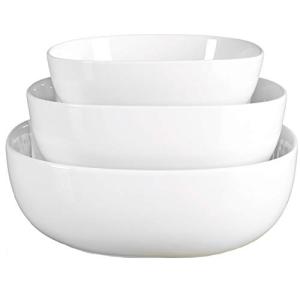
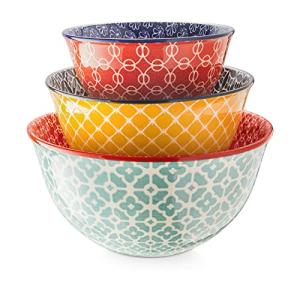
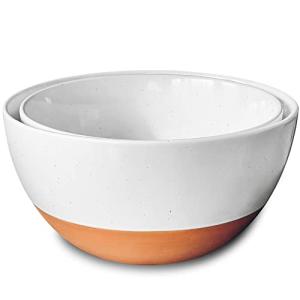
Mixing bowls are kitchen tools first, serving vessels second (though many double as both). What you want here is a range of sizes — small for whisking a single egg or mixing a dressing, medium for marinades and batters, large for bread dough or tossing a whole salad before it goes to the table.
Stainless steel mixing bowls are the professional standard: light, durable, easy to clean, and excellent for tasks that involve heat or cold (you can nest one over a pot of simmering water as a double boiler, or set one over ice to keep things chilled). Glass mixing bowls are heavier but useful if you want to see what you're working with, and they go straight from the fridge to the microwave. Plastic bowls are light and unbreakable, which makes them popular for busy kitchens with kids.
A good set of nesting mixing bowls is one of the more underrated kitchen investments you can make. They stack compactly, cover more situations than you'd expect, and last for years.
Serving Bowls
Serving bowls are the ones that go on the table, not just the counter. They tend to be larger and more decorative than everyday eating bowls, because they're meant to be seen. A good serving bowl elevates a dish — a wide ceramic bowl filled with roasted vegetables looks intentional; a plastic container does not.
Deep serving bowls work well for rice, curries, pastas, and dishes with a lot of liquid. Shallower, wider bowls suit roasted sides, grain salads, and anything you want guests to be able to easily serve themselves. Some serving bowls come with lids, which is genuinely useful if you're serving something that needs to stay warm or if you're transporting food.
Dessert Bowls
Smaller and often more delicate in design, dessert bowls are for ice cream, mousse, fruit salads, puddings, and anything else that arrives after the main meal. Size matters here in a way that's easy to overlook — a dessert bowl that's too large makes a portion look sad and sparse; one that's the right size makes the same amount feel perfectly generous.
Glass dessert bowls catch the light nicely and work particularly well for layered desserts where you want to show off the colors. Ceramic options come in every style imaginable and are easy to match with existing dinnerware.
Prep and Utility Bowls
Small prep bowls — sometimes called mise en place bowls or ramekins — are the quiet organizational heroes of a well-run kitchen. Having a row of small bowls pre-filled with measured ingredients means you cook more smoothly, more confidently, and with far fewer mistakes. They're also useful for holding sauce while you cook, catching seeds as you prep, or keeping small amounts of leftovers organized in the fridge.
Materials: What the Difference Actually Means
Ceramic and Stoneware
Ceramic and stoneware bowls are probably the most common type in home kitchens. They're microwave-safe, dishwasher-safe, and available in every color and glaze imaginable. Stoneware is denser and thicker than standard ceramics, which makes it excellent at retaining heat — a stoneware soup bowl keeps your food warm noticeably longer than a thin porcelain one.
The tradeoff is weight. Stoneware is heavy. That's fine for a bowl sitting on a table; less ideal for a large mixing bowl you're carrying around the kitchen.
Porcelain and Fine China
Porcelain bowls are thinner, lighter, and more refined-looking than stoneware. They're the choice for formal table settings and for anyone who wants their everyday dishes to have a certain elegance. High-quality porcelain is surprisingly durable, though more prone to chipping than stoneware if it gets knocked around.
Glass
Glass bowls are honest — you can see exactly what's in them, which is useful for mixing and storing. They don't absorb odors or stains, they transition easily between temperature extremes (fridge to microwave), and they clean up beautifully. The downside is obvious: they break. Glass bowls work well in calm, organized kitchens and less well in chaotic ones.
Stainless Steel
Stainless steel bowls are the choice of professional kitchens for good reason. They're nearly indestructible, lightweight, react to temperature quickly (useful in baking and chilling applications), and easy to sanitize. They don't have the warmth of ceramic at the table, but for prep, mixing, and utility work, they're hard to beat.
Wood
Wooden bowls — typically used for salads and serving — bring a warmth and texture that no other material replicates. A beautiful wooden salad bowl on a table has a certain character that instantly makes a meal feel more relaxed and inviting. The maintenance requirement is higher (no dishwasher, occasional oiling), but for people who appreciate it, that's a trade worth making.
Melamine and Bamboo-Composite
These materials have become genuinely popular for outdoor use, family dining with young children, and casual everyday settings. Melamine looks remarkably like ceramic, doesn't break, and comes in a huge range of designs. Bamboo-composite bowls are lightweight, eco-friendly, and often designed with an eye toward sustainable kitchens.
How to Choose the Right Bowl
Start with how you actually cook and eat, not with how you want your table to look. If you eat soup three times a week, invest in proper soup bowls with depth and heat retention. If you cook a lot of large dinners for others, prioritize serving bowls in materials that photograph well and hold substantial quantities. If you're an avid home baker, a quality set of mixing bowls in varied sizes will improve your baking more than almost any other upgrade.
Consider sets versus individual pieces. Sets offer consistency in style and usually better value, but individual pieces let you mix materials and sizes based on actual need. There's no single right answer — it depends on whether you care more about a cohesive table aesthetic or practical flexibility.
Think about what goes in the dishwasher and what doesn't in your household. If everything ends up in the dishwasher regardless, wooden bowls and certain hand-painted ceramics will disappoint you. If you don't mind handwashing specific pieces, the range of options opens up considerably.
And finally, don't underestimate the value of having more bowls than you think you need. In a functioning kitchen, bowls are always in rotation. Having enough that you're not constantly running the dishwasher mid-prep, or stacking things awkwardly, makes the whole experience of cooking more relaxed.
Building Your Collection
A well-rounded bowl collection for most households looks something like this: a set of four to six everyday eating bowls that cover cereal, soup, and casual meals; a large serving bowl or two for the table; a set of nesting mixing bowls in at least three sizes for the kitchen; a handful of small prep bowls for mise en place; and a few specialty pieces — pasta bowls, a wooden salad bowl, glass dessert cups — added over time as your cooking and hosting habits develop.
Bowls are one of those categories where quality makes a tangible difference. A well-made bowl feels satisfying to hold. It balances properly. The glaze doesn't craze after a year of use. It stays on the table looking good when dinner runs long and the conversation continues. These are small things, but they add up — and in a kitchen that's used every day, they matter more than people usually expect.