What Is a Compact Refrigerator?
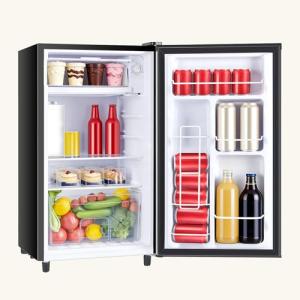
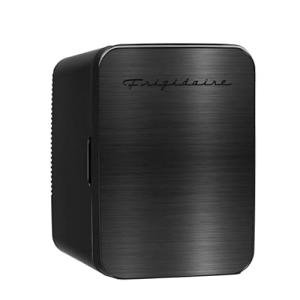
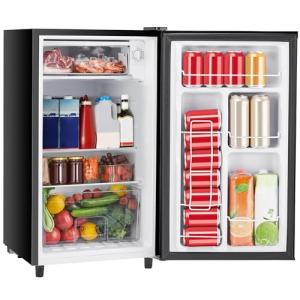
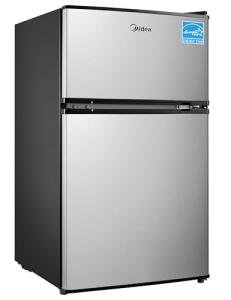
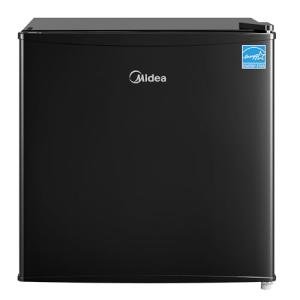
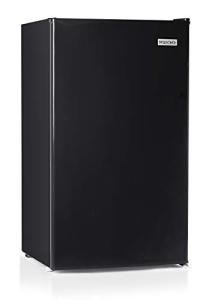
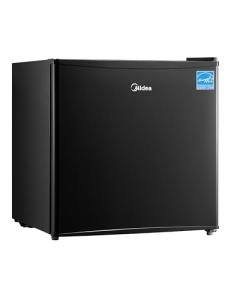
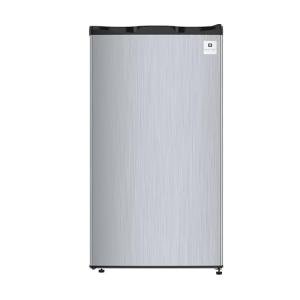
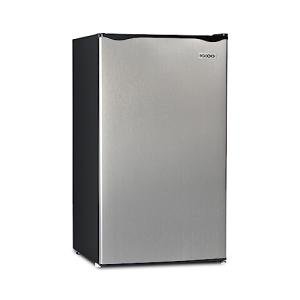
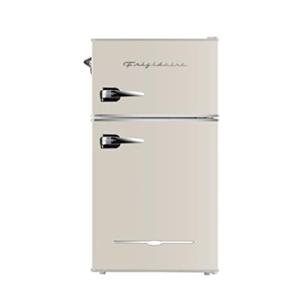
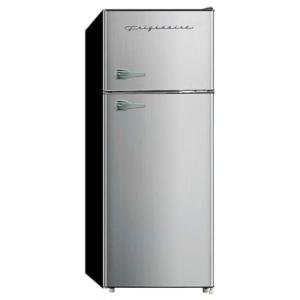
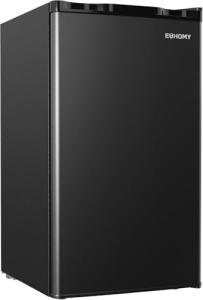
A compact refrigerator — also called a mini fridge, bar fridge, or undercounter refrigerator — is any refrigerator with a capacity under roughly 10 cubic feet. Most models fall somewhere between 1.7 and 4.5 cubic feet, though some stretch up to 6 or 7 cubic feet and still qualify as "compact" compared to full-size units.
They're designed to do the same basic job as a full-size fridge — keep your food and drinks cold — just at a smaller scale. Most plug into a standard outlet, require no special installation, and can sit on a countertop, tuck under a desk, or slide neatly into a cabinet opening.
That simplicity is a big part of their appeal. You don't need a plumber or an electrician. You don't need to rearrange your kitchen. You just find a spot with an outlet, plug it in, and you're done.
Who Actually Uses Compact Refrigerators?
The honest answer: a lot of people, for a lot of different reasons.
College students are probably the most iconic compact fridge users, and for good reason. Dorm rooms offer almost zero storage space, and sharing a communal kitchen gets old fast. A small fridge under the desk means snacks, drinks, and leftovers are always close at hand — without requiring roommate negotiation.
Remote workers and home office regulars often keep a compact fridge nearby to avoid constant trips to the kitchen. It sounds like a small thing, but it genuinely helps maintain focus during long working sessions.
Renters and apartment dwellers sometimes supplement an inadequate kitchen fridge with a compact unit. If your landlord-provided refrigerator is from 2003 and barely holds a week's worth of groceries, a mini fridge in the bedroom or living room quietly solves the overflow problem.
Entertainers and bar enthusiasts use compact fridges dedicated to beverages — canned drinks, wine, craft beer, mixers. Keeping these separate from your main fridge means you're always ready for guests without reorganizing everything.
Bedroom users enjoy having water, juice, or late-night snacks accessible without ever leaving the room. It's a small luxury that, once you have it, feels hard to give up.
Healthcare workers, caregivers, and people with mobility limitations often benefit enormously from having a refrigerator in or near the bedroom — storing medications, insulin, or personal food items without needing to travel to the kitchen.
Travelers and van-lifers rely on 12V compact coolers and fridges that run off car or solar power — a whole sub-category of compact refrigeration built for life on the road.
Size Guide — Finding the Right Capacity
Size is probably the first decision you'll make, and it shapes everything else. Here's a practical breakdown:
1.7 to 2.5 Cubic Feet
This is the true desk-sized mini fridge — small enough to sit on a countertop or tuck completely under a standard desk. You'll typically fit a six-pack of cans, a few bottles, and a couple of snack items. Ideal for a personal office setup or a bedside situation. Don't expect to store a week's worth of groceries.
2.6 to 4.4 Cubic Feet
The sweet spot for most individual users. This range gives you enough room for actual groceries — a carton of milk, some produce, leftovers, a modest selection of drinks — without taking up too much floor space. A model in this range typically fits 2–3 cans deep on a shelf and has a small freezer compartment (or not, depending on the model). Great for dorm rooms, studios, and supplemental bedroom use.
4.5 to 6 Cubic Feet
Getting into true "mini apartment fridge" territory. At this size, a compact refrigerator can realistically serve as the primary refrigerator for one person living alone, or as a serious entertaining fridge for beverages and party food. These often include adjustable shelves, crisper drawers, and door storage that rivals a real kitchen unit.
7 to 10 Cubic Feet
These are often classified as "mid-size" rather than compact, but they occupy the same undercounter footprint in many cases. Perfect for small households, garages, or office kitchens where a full-size unit isn't practical.
Key Features to Look For
Not all compact refrigerators are equal, and the feature list can vary wildly even between models in the same price range. Here's what to pay attention to:
Freezer Compartment vs. Fridge-Only
Some compact fridges include a small freezer compartment (usually inside the main cavity, at the top), while others are fridge-only. The integrated freezer is useful for ice and frozen items, but it typically doesn't get cold enough to properly freeze food long-term, and it takes up space. Fridge-only models generally offer better temperature consistency and more usable refrigerator space. If you actually need to freeze things, look for a model with a true separate freezer section.
Temperature Control
Look for a model that offers precise temperature adjustment rather than vague "min/max" dial settings. Some budget fridges only let you choose between a few preset levels, which can make it hard to hit the 37°F sweet spot for optimal food storage. Adjustable thermostats — especially digital ones — give you real control.
Noise Level
This matters more than most people expect, especially if the fridge is going in a bedroom or office. Compressor-based fridges produce a low hum and occasional clicking. Thermoelectric fridges (which use a heat pump rather than a compressor) are nearly silent but less efficient at maintaining very cold temperatures. If quiet operation is a priority, check the decibel rating in the product specs.
Energy Efficiency
Compact fridges run 24/7, so efficiency matters for your electricity bill. Look for ENERGY STAR certified models, which meet EPA efficiency standards and typically use 20% less energy than non-certified models. Over a few years, that adds up to real savings.
Reversible Door Hinge
A small but genuinely useful feature. A reversible door hinge lets you choose whether the door opens from the left or right side — critical if you're fitting the fridge into a specific corner or tight space.
Interior Lighting
Some compact fridges include interior LED lighting; many budget models don't. If you're using the fridge in a low-light area — under a desk, in a darkened bedroom at night — interior lighting is surprisingly valuable.
Adjustable Shelving
Wire shelves that can be repositioned allow you to accommodate taller bottles, pitchers, or oddly shaped items. Fixed shelves can be frustratingly limiting if you ever want to store something taller than a standard can.
Can Dispensers and Door Storage
Many compact fridges include built-in can dispensers in the door — convenient for keeping drinks organized and accessible. Check the door storage capacity too: a single row of bottle slots is useful; two rows plus condiment shelving is genuinely practical.
Compact Refrigerators for Specific Use Cases
For Dorm Rooms
Prioritize capacity relative to size — you want as much usable space as possible within the dimensions allowed by your school (some dorms have specific size restrictions). Look for a model with a small separate freezer section for ramen-night emergencies, and make sure the door hinge is reversible. Noise level matters if your roommate sleeps on the other side of a small room.
For Beverages and Bar Use
Beverage-specific compact fridges are a real category and worth considering. They're typically designed to maintain 45–55°F — ideal for drinks but not food storage — and often include can dispensers, bottle racks, and glass-front doors so you can see what's inside without opening it. If you're storing wine, look for a dedicated wine cooler with humidity control and vibration reduction.
For Offices
A 2.5 to 3.5 cubic foot model usually hits the right balance. Look for quiet operation (thermoelectric or low-decibel compressor), a clean design that won't look out of place in a professional environment, and a lock if shared-office theft is a concern.
For Garages and Workshops
Garage refrigerators face temperature extremes — hot summers, cold winters — that can confuse or damage standard compressor units. Look for a model specifically rated for garage use, with a wide operating temperature range (typically 0°F to 110°F ambient). These often have more robust compressors and thermal protection.
For Medications and Medical Use
If you're storing insulin, certain medications, or other temperature-sensitive medical supplies, look for a compact fridge with a precise, stable thermostat rather than a vague dial. Some models are designed specifically for medical use with tighter temperature accuracy. Always verify the operating range against the storage requirements on your medication label.
Compact Refrigerators vs. Coolers vs. Wine Fridges
It's worth understanding how these categories differ:
A standard compact refrigerator is a general-purpose unit — it cools food and drinks, has an adjustable thermostat, and typically works best between 35–40°F.
A beverage center or drink fridge is optimized for canned and bottled drinks at slightly warmer temperatures (45–55°F). Great for entertaining, not ideal for dairy or produce.
A wine cooler maintains even cooler, humidity-controlled conditions specifically suited to wine storage. They often have dual zones for red and white wine.
A portable 12V cooler/fridge runs off a car, boat, or solar battery and is designed for travel and outdoor use. Heavier, pricier, but genuinely functional away from an outlet.
Don't mix categories without thinking it through. A wine cooler used as a regular fridge won't keep your food cold enough. A standard compact fridge used for long-term wine storage may lack the humidity control and vibration damping that wine needs.
What to Expect to Pay
Compact refrigerators span a wide price range, and the differences are real:
Under $100 will get you a basic 1.7–2.5 cubic foot unit, usually with a noisy compressor, minimal features, and limited durability. Fine for short-term or occasional use.
$100–$200 is where most people find solid, reliable options in the 3–4.5 cubic foot range. Expect better temperature control, quieter operation, and more useful interior configurations.
$200–$400 gets you into premium compact fridges with features like digital controls, LED lighting, glass doors, beverage-specific configurations, or better energy ratings.
$400 and up covers high-end undercounter units, specialized wine coolers, and dual-zone beverage centers — serious appliances for serious use.
A compact refrigerator is one of those purchases that people tend to wonder why they waited so long to make. The right model — properly sized, properly featured, placed where it actually solves a problem — quietly improves daily life in a way that's hard to quantify until it's just there.
Take the time to match the unit to your actual use case rather than just grabbing the cheapest option. Think about where it's going, who's using it, what you're storing, and how much space you realistically have. The best compact refrigerator for a college dorm is almost never the best one for a home office, and neither is the right fit for a garage workshop.
Browse with intention, check the dimensions twice, and don't underestimate how much noise level and energy efficiency will matter six months from now when the novelty has worn off and the fridge is just running in the corner doing its job.
That's when you'll know you picked the right one.