Blenders are a must-have in any kitchen, whether you’re whipping up smoothies, soups, or sauces. They save you time and make cooking a breeze by blending ingredients in seconds. Check out our selection to find the perfect blender that fits your needs and style!
Blenders
Blend your favorite ingredients effortlessly for delicious smoothies, soups, and sauces
Product List
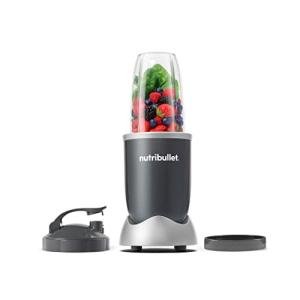
nutribullet Personal Blender, Shakes, Smoothi...
Product Review Score
4.99 out of 5 stars
139 reviews$69.99 $57.99
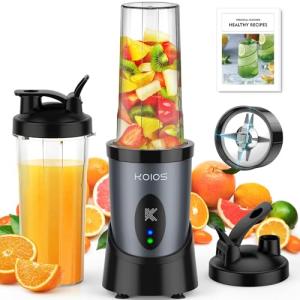
KOIOS Smoothie Blender, 900W Personal Blender...
Product Review Score
4.93 out of 5 stars
66 reviews$49.99 $29.99
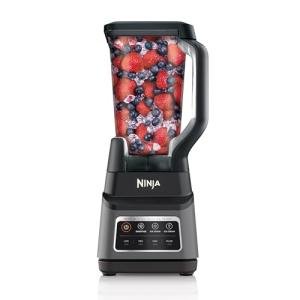
Ninja Professional Plus Blender | Max Power S...
Product Review Score
4.24 out of 5 stars
68 reviews$119.99 $89.99
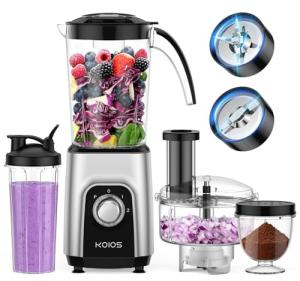
KOIOS Blender/Food Processor Combo Max 1000W,...
Product Review Score
4.39 out of 5 stars
212 reviews$79.99 $59.99
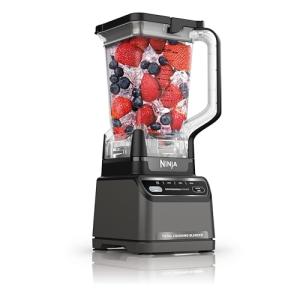
Ninja Professional Blender | Smoothie Blender...
Product Review Score
4.35 out of 5 stars
221 reviews$109.99 $79.99
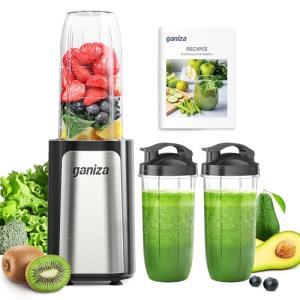
Ganiza Blender for Smoothies, 14Pcs Personal...
Product Review Score
4.52 out of 5 stars
57 reviews$44.99 $29.99
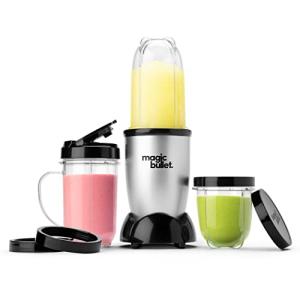
Magic Bullet Blender, Small, Silver, 11 Piece...
Product Review Score
4.36 out of 5 stars
80 reviews$49.99 $34.95
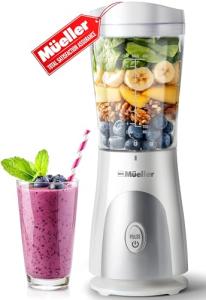
Mueller Smoothie Blender for Smoothies - Pers...
Product Review Score
4.37 out of 5 stars
127 reviews$29.99 $19.83
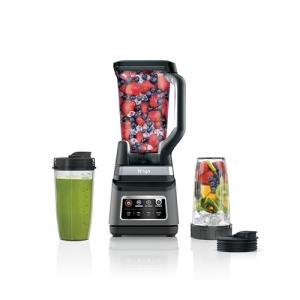
Ninja BN751 Professional Plus DUO Blender, 14...
Product Review Score
4.67 out of 5 stars
43 reviews$149.99 $119.99
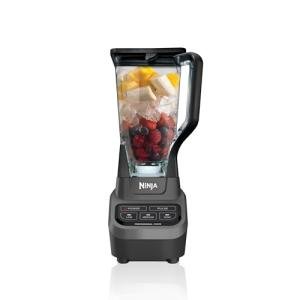
Ninja Professional Blender 1000W, Total Crush...
Product Review Score
4.17 out of 5 stars
191 reviews$109.99 $89.99
What Can a Blender Actually Do?
More than you might think. The modern blender has grown well beyond smoothies. Today's machines handle a wide range of tasks, including:
- Smoothies and protein shakes — the most obvious use, and something every blender does to varying degrees of success
- Soups and sauces — blending hot or cold soups directly to a velvety consistency, or whipping up quick pasta sauces and dressings
- Nut butters — turning roasted almonds, cashews, or peanuts into creamy spreads (this one demands real motor power)
- Frozen drinks — margaritas, piña coladas, frozen lattes, or slushies with properly crushed ice
- Baby food — pureéing cooked vegetables and fruits into smooth, lump-free meals for little ones
- Pancake and waffle batter — blending dry and wet ingredients in seconds for a lump-free mix
- Hummus and dips — though a food processor is often preferred, a powerful blender handles these well
The point is: a blender isn't a single-use gadget. The right one becomes an appliance you reach for multiple times a day.
Types of Blenders
Countertop Blenders
These are the classic blenders — a motorized base, a large jar that sits on top, and blades at the bottom that spin at high speed. Countertop blenders are the most powerful type in this category and the best choice if you blend regularly or in larger quantities.
They come in two main tiers: standard and high-performance. Standard models (typically 300–700 watts) handle smoothies, soups, and sauces perfectly well. High-performance models (1,000 watts and above) go further — they can process whole frozen fruit, ice, fibrous greens, nuts, and even hot liquids without breaking a sweat.
Jar sizes typically range from about 1.5 litres up to 2.2 litres, making them well suited for families or anyone batch-cooking. The trade-off is counter space — these are not small appliances, and they need a dedicated spot in your kitchen.
Personal Blenders
Personal blenders are compact single-serve machines designed to blend directly into a portable cup that doubles as a travel bottle. You add your ingredients, attach the blade assembly, blend, then swap the blade for a lid and go.
They're ideal for anyone who makes daily smoothies or protein shakes and wants minimum fuss and maximum convenience. The blade cup is often the only thing that needs washing. Most personal blenders are also significantly cheaper and quieter than full-sized countertop models.
The limitation is capacity — personal blenders are built for one serving at a time and can't handle the volume or toughness of ingredients that a proper countertop machine can. They're a great supplement to a larger blender, but not always a full replacement.
Immersion Blenders (Stick Blenders)
An immersion blender — often called a stick blender or hand blender — works differently from the other types. Instead of pouring your food into the machine, you bring the machine to the food. You lower the blending shaft directly into the pot, bowl, or jug, then blend in place.
The biggest advantage is convenience for hot soups: you can puree a pot of butternut squash or tomato soup right on the stove, with zero transfer and almost no cleanup. They're also excellent for making salad dressings, mayonnaise, and whipped cream, and many models come with a whisk attachment or small chopping bowl for extra versatility.
Immersion blenders range from simple two-speed models to more powerful variable-speed versions with multiple attachments. They're the most compact blenders by far and store easily in a drawer.
Key Features to Look For
Motor Power
Motor power is one of the most important specs to consider. It directly affects how well a blender handles tough ingredients.
- Under 500W — Fine for soft fruits, yoghurt, and pre-cooked vegetables. Struggles with ice and frozen fruit.
- 500–1,000W — A versatile range for most home users. Handles frozen ingredients, thicker soups, and occasional ice crushing without difficulty.
- 1,000W and above — The territory of high-performance blenders. These machines process almost anything smoothly and quickly, including whole nuts, raw fibrous vegetables, and large quantities of ice.
Keep in mind that raw wattage isn't the only factor — blade design and jar shape matter too. But as a general rule, more power means smoother results and a longer machine life under heavy use.
Blade Design
Most blenders use stainless steel blades, and the number and angle of the blade tips affect how efficiently ingredients are pulled in and processed. Better machines use multi-tiered blade assemblies that create a more powerful blending vortex, reducing the need to stop and scrape down the sides.
For immersion blenders, look for a four-point blade rather than a two-point one — it covers more area and produces a more even purée.
Jar Material
Blender jars are made from either plastic, glass, or stainless steel, and each has genuine trade-offs.
Plastic jars are the most common. They're lightweight, shatterproof, and easy to handle. The downside is that they can scratch over time, and some plastics absorb odours or stains if not cleaned promptly. Look for BPA-free labels.
Glass jars feel premium and don't absorb smells or flavours. They're scratch-resistant and easy to keep looking clean. The trade-off is weight — a full glass jar is significantly heavier than plastic — and fragility if dropped.
Stainless steel jars are durable and don't interact with acidic ingredients, but you can't see inside while blending, which takes a bit of getting used to.
Speed Settings and Presets
Most blenders offer multiple speed settings, and many now include preset programs — automated cycles designed for specific tasks like smoothies, ice crushing, soups, or nut butters. These run the motor through a pre-programmed sequence of speeds and are genuinely useful if you make the same things repeatedly.
Control types also vary: touchpad controls are easy to wipe clean but can be fiddly to operate; push buttons are intuitive but collect grime; dial controls are simple and smooth but require scrolling through settings to reach your desired speed.
Noise Level
Blenders are loud. If you live in an apartment, have young children who nap, or simply make smoothies at 6am, noise level matters more than most people realise before they buy.
Some high-end models include sound enclosures — a polycarbonate shield that wraps around the jar during operation and noticeably dampens the noise. If quiet blending is important to you, this feature is worth prioritising even if it adds to the price.
Capacity
Personal blenders typically hold 400–700ml per cup. Countertop blenders range from around 1.5 litres up to 2.2 litres or more. Think honestly about how much you typically blend at once — families or anyone doing batch cooking will benefit from a larger jar, while solo users or couples may find a mid-sized machine more than sufficient.
Ease of Cleaning
This is one of the most underestimated factors in buying a blender, and one of the most important for long-term satisfaction.
Countertop blenders with removable blade assemblies are easier to clean thoroughly — residue won't hide in the gasket crevices. Some models support a self-clean function: add warm water and a drop of dish soap, run a short cycle, and rinse. Dishwasher-safe jars and lids are a practical bonus.
For immersion blenders, look for a detachable blending shaft that can be removed from the motor unit — this makes washing straightforward and keeps water away from the electronics.
Choosing the Right Blender for Your Needs
If you make smoothies every morning: A personal blender or a mid-range countertop model in the 700–1,000W range will serve you well. Prioritise ease of cleaning and cup convenience.
If you cook soups and sauces regularly: An immersion blender is a genuinely game-changing tool here, letting you blend directly in the pot. Pair it with a countertop model if you also do smoothies.
If you want one versatile machine for everything: Invest in a high-performance countertop blender (1,000W+). These handle the full range — from delicate sauces to whole-fruit smoothies to ice crushing — and tend to last significantly longer under regular use.
If you're on a budget: There are excellent blenders under €60–80 that handle everyday smoothies and light cooking tasks without fuss. You may not get ice-crushing performance or nut butter capability, but for basic daily blending, you don't need to spend a fortune.
If storage space is limited: Immersion blenders win on footprint — they fit in a drawer. Personal blenders are also compact. Both are worth considering if counter space is at a premium.
What to Watch Out For
A few honest cautions before you buy:
More features isn't always better. Touchscreen interfaces, app connectivity, and 15+ preset programs sound impressive in a spec sheet. If you mostly make smoothies and the occasional soup, you'll never use most of them. Focus on the features that match how you actually cook.
Warranty matters more than you'd think. Blenders are mechanical appliances under real stress — motors heat up, blades wear, seals age. A longer warranty and good manufacturer support are genuine indicators of confidence in build quality. Budget models with short warranties often reflect that.
Don't underestimate cleaning. A blender you dread cleaning is a blender you'll use less and less. Spend five minutes on cleaning ergonomics before you buy — it pays off every single day.
A blender is one of the most used appliances in a well-equipped kitchen, and it's worth choosing carefully. The best one for you isn't necessarily the most powerful or the most expensive — it's the one that fits your cooking habits, your kitchen, and your budget, and that you'll actually reach for every day.
Browse the full range below, compare specs side by side, and don't hesitate to filter by type, power, or price to narrow things down. Whether you're after a compact stick blender for weeknight soups or a high-performance countertop machine built to last a decade, you'll find it here.