Types of Cake Pans
Round Cake Pans
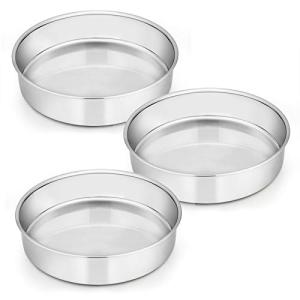
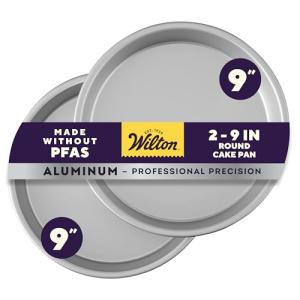
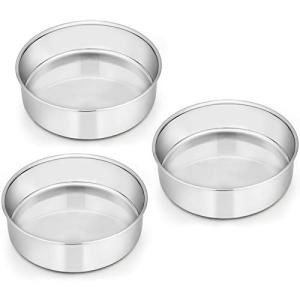
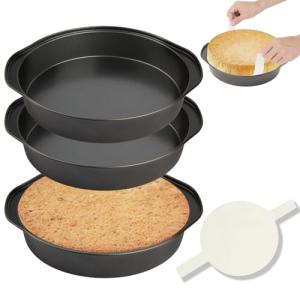
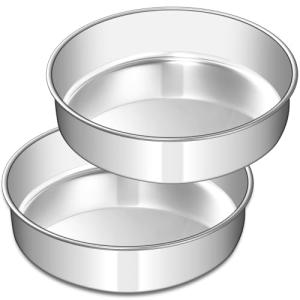
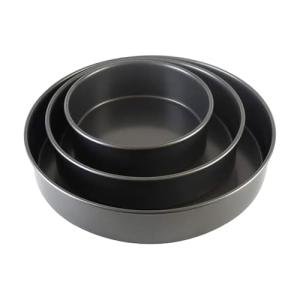
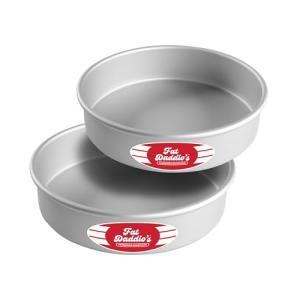
These are the workhorses of any baker's kitchen. Round cake pans are the foundation of layer cakes, birthday cakes, and just about every classic celebration cake you've ever seen. They come in a range of sizes — 6-inch, 8-inch, and 9-inch are the most common — and they're usually available in depths of 2 to 3 inches.
If you're planning to make layer cakes regularly, it's worth owning two or three pans of the same size so you can bake all your layers at once. For best results, look for round pans made from light-colored aluminum and at least 2 inches deep to give your batter room to rise without spilling over the edges.
Square and Rectangular Pans
Square and rectangular pans are incredibly versatile. The classic 9×13-inch rectangular pan is probably the most-used piece of bakeware in most kitchens — it handles sheet cakes, brownies, cinnamon rolls, and even savory casseroles with equal ease. Square pans (typically 8×8 or 9×9 inches) are ideal for smaller batches of brownies, blondies, or a simple single-layer snack cake.
The high straight sides of these pans help contain runny batters, and their flat bottoms make it easy to cut even portions. If you only own one or two cake pans right now, a 9×13 rectangular pan is probably the single most useful piece you can add to your collection.
Springform Pans
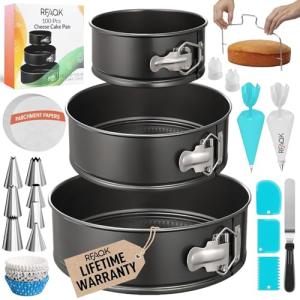
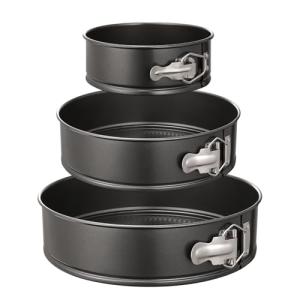
Springform pans are the go-to choice for baked cheesecakes and any delicate cake where flipping or inverting would cause it to crack or collapse. The defining feature is the removable side — a spring-loaded latch releases the ring so you can lift it away cleanly from the base without disturbing the cake at all.
They're typically available in 9-inch and 10-inch sizes, and they're also used for layered no-bake desserts, mousse cakes, and tortes. The one thing to keep in mind with springform pans is that the latch seal isn't always perfectly watertight, so if you're baking something with a very liquid batter (like a water bath cheesecake), wrapping the base in foil is a smart precaution.
Bundt Pans
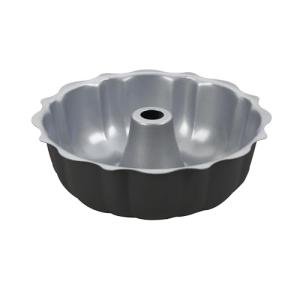
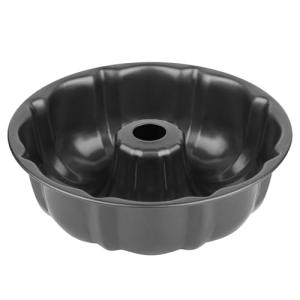
Few pans are as immediately recognizable as a Bundt pan. That distinctive ring shape with a hollow tube in the center and ridged, fluted sides produces cakes with an intricate pattern that looks far more impressive than the effort required. The central tube serves a practical purpose: it allows heat to reach the middle of a thick batter from the inside out, promoting more even baking throughout.
Bundt pans are typically made from heavyweight cast aluminum, which holds and distributes heat particularly well. They're excellent for dense, moist cakes — pound cakes, coffee cakes, and Bundt-style chocolate cakes all shine in these pans. Because of the detailed grooves, greasing every crevice thoroughly before pouring in the batter is essential unless you enjoy cake archaeology.
Angel Food Cake and Tube Pans
Angel food cake pans are closely related to Bundt pans in shape — they're also ring-shaped with a central tube — but they're intentionally simple and unfluted. More importantly, they usually lack a non-stick coating, and that's on purpose. Angel food cake batter needs to grip the pan walls as it rises; a slick non-stick surface would prevent it from climbing properly, resulting in a dense, collapsed cake instead of the characteristically light and airy texture.
Most tube pans are also two-piece, with a removable bottom, making it easy to release the cake after cooling. Once baked, angel food cakes are traditionally cooled upside down in the pan — the feet on the rim (or the center tube propped on a bottle) suspend it upside down so gravity doesn't compress the delicate crumb.
Sheet Cake Pans
Sheet cake pans are shallow, rectangular pans designed to produce thin, flat cakes that can be frosted and served in large quantities. They're perfect for feeding crowds at parties, school events, or potlucks. The shallow depth — usually around 1 inch — means the cake bakes quickly and evenly, and the large surface area makes frosting and decorating straightforward.
Jelly roll pans are a close relative: similarly shallow, but the thin, sturdy cake they produce can be spread with jam or cream and rolled up to create a Swiss roll or roulade. If you're a fan of rolled cakes, a jelly roll pan is an excellent addition.
Novelty and Specialty Pans
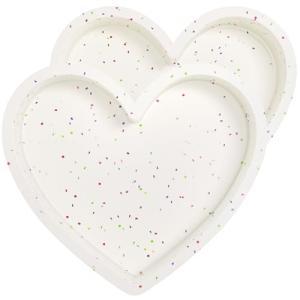
Heart shapes, stars, numbers, cartoon characters, flowers — novelty cake pans let you produce themed cakes without the stress of hand-sculpting. They come with tall sides and flat bottoms, though the irregular shapes mean you need to be particularly thorough when greasing and flouring every corner and curve.
Loaf pans also belong in this category for cake purposes — they're rectangular and deep, ideal for pound cakes, banana bread, and other dense, moist loaf-style cakes. A standard 9×5-inch loaf pan is one of the most useful sizes to own.
Silicone Molds
Silicone molds occupy a slightly different space in the cake pan world. They're flexible, naturally non-stick, and can be shaped into virtually anything — individual mini cakes, elaborate 3D shapes, or simple rounds. Because silicone is flexible, cakes pop out cleanly with minimal effort once they've cooled, making them popular for shaped bakes and individual portions.
The tradeoff is that silicone doesn't conduct heat the way metal does. Baked goods in silicone molds often take a little longer to cook through, and they don't develop the same golden-brown crust that metal pans produce. They're best suited for recipes where a pale, tender exterior is fine — think mousse cakes, gelatin desserts, and simple sponges.
Cake Pan Materials: What's the Difference?
Aluminum
Plain aluminum is the most popular material for cake pans, and for good reason. It's lightweight, conducts heat quickly and evenly, and produces consistent results across a wide range of recipes. Light-colored aluminum is especially well-suited to cakes because it reflects heat gently, reducing the risk of over-browning the bottom before the center is done.
The one downside of bare aluminum is that it can react with acidic ingredients — think lemon, buttermilk, or red wine — which can leave a metallic taste and discolor the pan over time.
Anodized Aluminum
Anodized aluminum takes the benefits of regular aluminum and addresses its weaknesses. The anodization process hardens the surface, making the pan more durable, scratch-resistant, and non-reactive. Anodized pans tend to resist warping and last significantly longer than standard aluminum pans, making them a favorite among frequent and professional bakers. They're worth the slightly higher price tag.
Non-Stick Coated Pans
Non-stick pans make releasing cakes easier and cleanup faster, which is why they're so popular for home bakers. They're usually made from aluminum or steel with a coating applied to the interior surface. The key rule with non-stick: never use metal utensils inside the pan, and avoid abrasive scrubbers when washing. Scratched coatings don't just release food less reliably — they degrade over time and should be replaced.
Stainless Steel
Stainless steel pans are extremely durable and completely non-reactive, which makes them a good choice for acidic batters. The downside is that stainless steel isn't a particularly efficient heat conductor, meaning heat can distribute less evenly and bake times may need slight adjustment. They're tough and long-lasting, though, and easy to keep clean.
Glass and Ceramic
Glass and ceramic baking dishes hold heat well and distribute it slowly, which works beautifully for casseroles, cobblers, and pies — but can cause problems for cakes. The retained heat can over-brown bottoms and edges, especially in sugary recipes. If you do bake a cake in a glass dish, lowering your oven temperature slightly and monitoring closely is advisable.
Silicone
As covered above — great for flexibility and release, less ideal for browning and crust development. Best used for specific applications rather than as a general-purpose substitute for metal pans.
How to Choose the Right Cake Pan
Match the pan to the recipe. Always start with the pan size your recipe specifies. Swapping to a larger pan means a thinner cake that bakes faster; a smaller pan creates a thicker one that takes longer and risks overflow.
Consider how often you bake. Casual bakers can get by with a 9×13, an 8-inch round pair, and a springform pan. Frequent bakers who tackle layer cakes, Bundt cakes, and specialty designs will want a fuller collection.
Think about material and color. Light-colored aluminum is the safest starting point for most cakes. Dark pans can produce beautifully caramelized bottoms but require careful monitoring. Non-stick is convenient, but anodized aluminum pans offer better longevity.
Invest in quality where it counts. A cheap pan might warp under high heat, develop hot spots, or lose its non-stick coating within a year. For your most-used sizes — your everyday rounds and your 9×13 — spending a bit more on a quality brand pays off in consistent results and years of reliable baking.
Caring for Your Cake Pans
A few simple habits will extend the life of your pans considerably. Always allow pans to cool before washing — plunging a hot pan into cold water can cause warping. For non-stick pans, hand washing with warm soapy water is preferable to the dishwasher, which can break down coatings over time. Store pans flat or stacked with a cloth or paper layer between them to prevent scratching. And whether a pan claims to be non-stick or not, greasing and flouring (or lining with parchment) before every bake gives you an extra layer of insurance against sticking.
Cake pans are one of the most quietly important purchases in any baker's kitchen. They don't make headlines the way stand mixers do, but the right pan — the right size, the right material, the right shape for the recipe — can genuinely transform your results. Whether you're building a collection from scratch or filling in a few gaps, understanding what each type of pan does and why it works the way it does makes every bake more predictable, more successful, and honestly, a lot more fun.