Stovetop Kettles: Timeless, Tactile, and Still Brilliant
If you grew up in a household with a stovetop kettle, you'll know the particular comfort of it. There's no cord to tuck away, no base to misplace, no digital display to interpret at 6am. You put it on the hob, you wait, you pour.
Classic Stainless Steel Stovetop Kettles
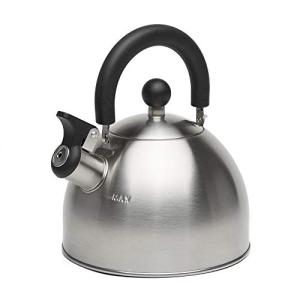
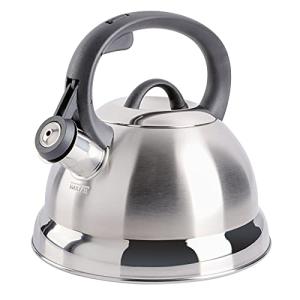
Stainless steel stovetop kettles are the workhorses of the category. They're compatible with all hob types including induction, they're easy to clean, and a decent one will outlast virtually any appliance in your kitchen. Look for a kettle with a well-insulated handle, a wide enough spout to pour without dribbling, and a whistle mechanism that actually works clearly rather than producing a vague hiss.
Capacity matters here too. A 2–3 litre stovetop kettle suits most households. Go smaller and you'll be refilling constantly; go much larger and heating times stretch out.
Enamel and Cast Iron Stovetop Kettles
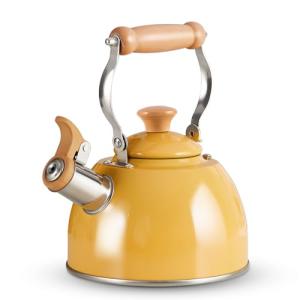
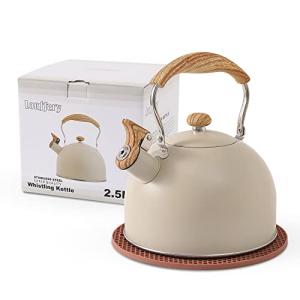
For those who care about aesthetics as much as function, enamel-coated and cast iron stovetop kettles bring genuine beauty to the hob. Japanese tetsubin-style cast iron kettles in particular have a weight and craftsmanship that feels worlds away from a cheap plastic electric model. They heat slowly and hold temperature exceptionally well, making them a favourite among serious tea drinkers who like their ritual to feel meaningful.
Bear in mind: cast iron kettles are heavy, require careful drying to prevent rust, and shouldn't be used directly on glass or ceramic hobs without a heat diffuser. They're not convenient, but that's almost the point.
Copper Stovetop Kettles
Copper kettles occupy a special niche — they're among the most visually striking options available and copper's thermal conductivity means reasonably quick heating. The trade-off is maintenance: unlined copper requires regular polishing and shouldn't be used for long-term water storage. Lined copper (usually with stainless steel or tin) is more practical and still looks extraordinary hanging from a kitchen pot rack or sitting on an Aga.
Electric Kettles: Speed, Convenience, and Smart Features
Electric kettles dominate most modern kitchens for good reason — they're fast, they're safe (automatic shutoff is standard), and the better ones give you control that a stovetop can't match.
Standard Electric Kettles
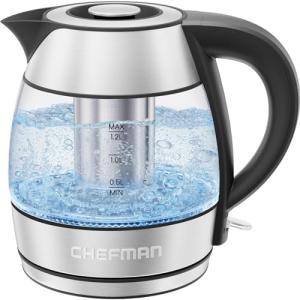
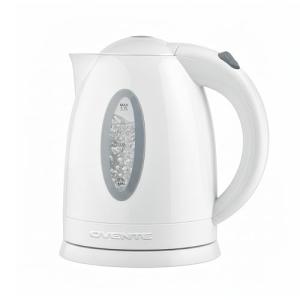
A standard electric kettle heats to boiling point, clicks off, and that's it. For most everyday tea and coffee drinkers, this is entirely sufficient. Look for a model with a concealed heating element (easier to clean and limescale is less visible), a 360-degree swivel base for left- and right-handed use, and a well-designed pour spout that doesn't drip.
Limescale is the enemy of all electric kettles in hard water areas. A removable filter in the spout catches the worst of it and is well worth having. Descaling regularly — every four to six weeks in hard water regions — will extend the life of any kettle significantly.
Temperature-Control Electric Kettles
This is where things get genuinely exciting for tea enthusiasts. Variable temperature kettles let you set precise water temperatures, which transforms the quality of certain brews entirely.
Here's why it matters: different teas demand different temperatures. Green tea brewed with boiling water turns bitter and astringent — it simply doesn't taste the same as the same leaves steeped at 75–80°C. White tea is even more delicate, best around 70°C. Oolongs typically want somewhere between 85–95°C depending on the oxidisation level. Black tea and herbal infusions are the exception — they're happy with a full rolling boil.
If you drink any tea beyond standard black tea bags, a variable temperature kettle isn't a luxury. It's the single biggest upgrade you can make to your brewing.
Most models offer preset temperatures (usually 70°C, 80°C, 85°C, 95°C, and 100°C) alongside a keep-warm function that holds the selected temperature for 20–30 minutes. This is useful when you're brewing multiple cups or you've been distracted mid-ritual.
Gooseneck Electric Kettles
The gooseneck kettle — distinguished by its long, curved, narrow spout — has become the defining tool of the specialty coffee world, but it's equally valuable for tea. The narrow spout gives you total control over pour rate and direction, which matters enormously for pour-over coffee but also for brewing techniques like gongfu cha, where you're carefully controlling the flow into a small teapot.
Beyond technique, there's an aesthetic argument for the gooseneck that's hard to dismiss. They look exceptional on a kitchen counter. The best models combine the gooseneck form with temperature control, giving you both precision and style.
Capacity: How Much Do You Actually Need?
Electric kettles tend to run between 1 and 1.7 litres. Stovetop kettles often go larger, up to 3 litres or more.
For a single person or couple, 1–1.5 litres is generally plenty. A 1.7-litre electric kettle covers a family or a busy household where the kettle gets used multiple times in quick succession. Don't oversize — boiling more water than you need wastes energy and takes longer.
One useful consideration: many electric kettles perform less efficiently and sometimes incompletely when filled well below the minimum line. Always check minimum fill requirements, especially if you regularly make single cups.
Materials and Build Quality: What to Look For
Interior Materials
What the interior of your kettle is made from affects taste, safety, and longevity.
Stainless steel interiors are the gold standard. They don't impart flavour, they're durable, and they're easy to descale. All quality electric and stovetop kettles use food-grade stainless steel (look for 18/8 or 304 stainless).
Plastic interiors are worth avoiding if you care about taste. Even BPA-free plastic can leave a faint flavour in water, especially when new. If you're buying at the budget end and get a plastic-interior kettle, boil and discard several full kettles worth of water before regular use.
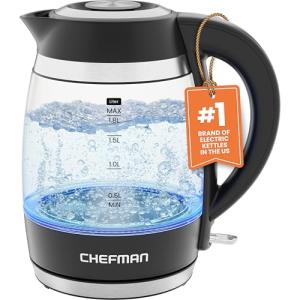
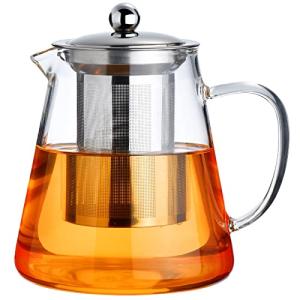
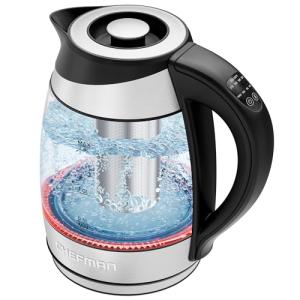
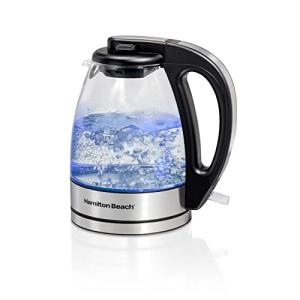
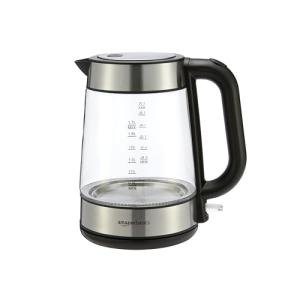
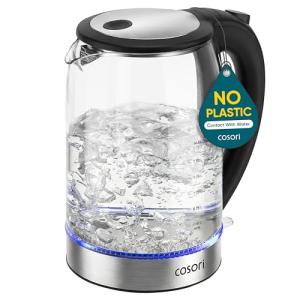
Glass kettles have an obvious appeal — you can watch the water heat, which is oddly satisfying, and there's zero flavour impact. The downsides are fragility and the fact that most glass kettles lack insulation, meaning the exterior gets hot quickly.
Handle Design
A handle that's too close to the body of the kettle transfers heat uncomfortably. A handle that's poorly balanced makes pouring awkward. These sound like minor complaints until you're using the kettle three times a day. Ergonomics genuinely matter here — if possible, handle a kettle in person before buying, or at minimum read reviews specifically about comfort.
Kettle Maintenance: Making It Last
A tea kettle that's properly maintained will outlast poorly cared-for models by years.
Descaling is the single most important maintenance task. Limescale builds up on the heating element (or interior walls in stovetop models) and reduces efficiency while affecting taste. Descaling solutions are inexpensive, or a mixture of equal parts white vinegar and water left to soak for an hour works nearly as well. Rinse thoroughly afterwards.
Don't leave standing water in a kettle for extended periods. This accelerates limescale buildup and can cause staining. Tip it out after each use if you can.
Exterior cleaning depends on the material — stainless steel responds well to a damp cloth and a little stainless cleaner for fingerprints. Enamel and copper need gentler treatment. Cast iron should be dried immediately and thoroughly after any contact with water on the exterior.
Choosing by Tea Type
If you're unsure where to start, let your favourite tea guide the choice:
Black tea, herbal infusions, and rooibos — Any good kettle will work here. You need boiling water, which every kettle delivers. A standard stovetop or electric kettle is entirely sufficient.
Green tea, white tea, yellow tea — A variable temperature electric kettle becomes important. Brewing these at 70–80°C rather than 100°C makes a noticeable and significant difference to the final cup.
Oolong tea — Temperature control helps considerably. Oolongs vary widely; lighter greener oolongs prefer lower temperatures (around 80–85°C) while heavier roasted varieties want 90–95°C.
Pu-erh and aged teas — Full boiling temperature, so any kettle works. A gooseneck is nice for precision when using a gaiwan or small teapot.
Pour-over coffee (yes, same kettle) — A temperature-control gooseneck is the definitive tool here, which makes it the natural choice if your household does both specialty tea and pour-over coffee.
What to Spend
Tea kettles span a genuinely enormous price range — from under $15 for a basic stovetop model to over $200 for a high-end variable temperature electric with smart connectivity.
At the budget end (under $30), you can find perfectly serviceable stainless steel stovetop kettles and basic electric models that will heat water reliably for years. Don't expect comfort features or precise temperature control, but the fundamentals are covered.
The mid-range ($40–$80) is where most people should land. This bracket includes temperature-control electric kettles from reputable brands, quality stainless stovetop models, and entry-level gooseneck options. Build quality is noticeably better and you'll start to see more thoughtful ergonomic design.
The premium tier ($100+) is for those who treat tea as a genuine craft, or who want a beautiful object that lasts a decade. Cast iron tetsubin kettles, top-end gooseneck temperature-control models, and artisan copper kettles all live here. These are genuinely excellent products, but be honest about whether the upgrade reflects your actual brewing habits.
A tea kettle sits on your counter every day. You handle it multiple times a day. It's one of the most-used objects in most kitchens, and yet people often give it far less thought than they give their coffee machine, their knife block, or their cast iron pan.
The right kettle rewards attention. It speeds up your mornings without fuss, improves the cups you brew, and — if you choose well — becomes one of those quietly satisfying kitchen objects you stop noticing because it simply works perfectly every single time.