Slow cookers are a game changer for anyone who loves delicious, hearty meals without the hassle. Just toss in your ingredients, set the timer, and let it do its thing while you go about your day. Whether you're making chili, stew, or tender pulled pork, these handy kitchen helpers make cooking feel like a breeze.
Slow Cookers
Discover delicious meals with minimal effort using our top selection of slow cookers
Product List
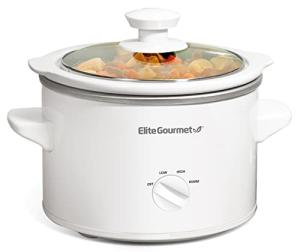
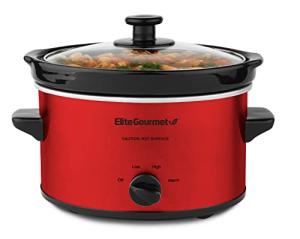
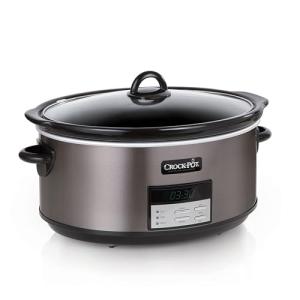
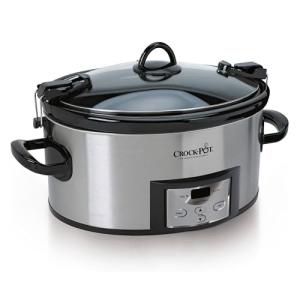
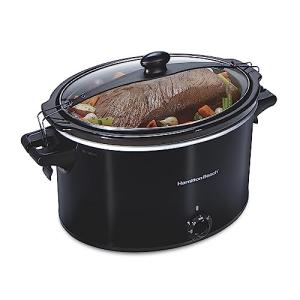
Hamilton Beach 10 Quart Slow Cooker
Product Review Score
4.67 out of 5 stars
189 reviews$87.95 $68.99
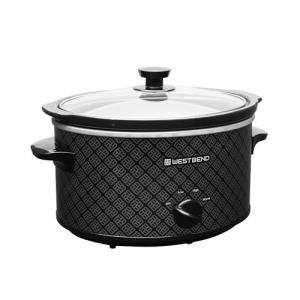
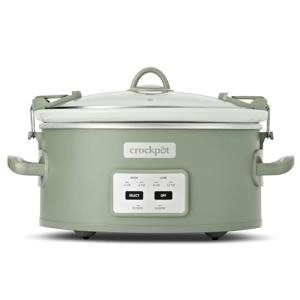
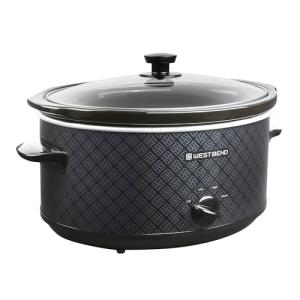
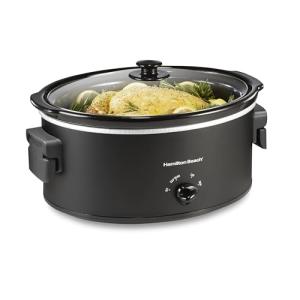
How Slow Cookers Actually Work
The concept is beautifully simple. A slow cooker consists of three parts: a heating base, a ceramic or stoneware insert (the pot itself), and a lid. The base heats gently and evenly from the sides and bottom, keeping the contents at a steady low temperature — usually somewhere between 80°C and 93°C (175°F to 200°F) on the low setting, and a bit higher on the high setting.
That sustained, gentle heat is the whole secret. At these temperatures, tough collagen-rich cuts of meat break down slowly into gelatin, making the meat tender and the sauce rich and glossy. Beans soften without falling apart. Root vegetables become deeply flavourful without turning to mush. Dairy curdles at high heat, but in a slow cooker, you add it at the end. Aromatics like onions and garlic have hours to release their sweetness.
The lid does important work, too. It traps moisture, so you actually need less liquid than you'd use on the stovetop. Everything essentially braises in its own juices.
What Can You Actually Cook in a Slow Cooker?
More than most people think. The classic slow cooker dishes — chili, pulled pork, pot roast, beef stew — are classics for a reason. But the range goes well beyond that.
Soups and stews are perhaps the most natural fit. Minestrone, French onion, lentil soup, chicken noodle — all of them benefit from a long, slow simmer that lets flavours develop in a way that a quick stovetop version simply can't replicate.
Braised meats are where slow cookers genuinely shine. Cheaper, tougher cuts like chuck roast, pork shoulder, lamb shanks, and short ribs are transformed over 6–8 hours into something luxurious. This is where the appliance earns its keep — you're turning the least expensive cuts of meat into the most impressive dishes.
Legumes and pulses cook beautifully from dried, though you'll want to pre-boil kidney beans before adding them. Chickpeas, lentils, black beans, cannellini — all become wonderfully creamy without the risk of scorching.
Whole chicken is a revelation. Place a bird in the cooker on top of a few halved onions (so it doesn't steam-cook sitting in liquid), season it well, and come back six hours later to something far juicier than your oven would produce.
Pasta sauces, curries, and dals are perfect for batch cooking. Make a big pot on Sunday, portion it out, and you've solved three or four weekday meals in one go.
Desserts, yes. Chocolate lava cake, rice pudding, poached pears, even cheesecake — slow cookers can handle all of these if you're feeling adventurous.
What doesn't work so well? Anything that needs a crust or a crispy exterior — for that, you'll want to finish in the oven or under the grill. Delicate fish and seafood generally don't like the long cook times, though a brief 1–2 hour stint can work. And leafy greens should only go in at the last 20–30 minutes.
Sizes and Capacities: Choosing the Right Fit
Slow cookers come in a range of sizes, and getting the right capacity for your household makes a real difference to how well the appliance performs.
1.5–2.5 litres (about 1.5–2.5 quarts): These compact models are ideal for one or two people, or for making dips, side dishes, and smaller portions. They're also a great choice for keeping things warm at a buffet or party.
3.5–4.5 litres (3.5–4.5 quarts): The most popular all-round size for small families of three or four. Comfortable for most recipes, including a medium-sized roast.
5.5–6.5 litres (5.5–6.5 quarts): The go-to size for families of four to six, or for anyone who likes to batch cook. A full-sized chicken or a generous pot of chili is no problem here.
7–8.5 litres (7–8.5 quarts): These large-capacity models are designed for big families, meal preppers, or anyone who regularly cooks for a crowd. They're also useful for feeding groups at gatherings or events.
One important rule of thumb: for best results, fill your slow cooker between halfway and two-thirds full. Too little and the food may dry out or overcook. Too much and the heat can't circulate properly, leading to uneven cooking and potential food safety concerns.
Features to Look For When Buying
Not all slow cookers are created equal, and the difference between a basic model and a more feature-rich one can significantly affect your experience.
Programmable timers are genuinely useful. Being able to set a cook time means the appliance switches automatically to a "keep warm" setting once your dish is done — so if you're out of the house for 10 hours but your recipe only needs 8, you're not coming home to overcooked mush.
Digital vs. manual controls: Manual dial controls are simple and reliable. Digital controls give you more precision and are necessary for programmable functions. Both work well; it's mostly a matter of preference.
Sear and sauté function: Some models come with a removable insert that can go directly on the stovetop, or a multi-cooker base that allows searing. This is genuinely handy — browning meat before slow cooking adds flavour (the Maillard reaction works wonders), and being able to do it in the same pot means fewer dishes.
Removable insert material: Most slow cooker inserts are ceramic or stoneware. These retain heat beautifully but can crack if moved from cold to hot too quickly. Some models use aluminium inserts, which heat more evenly and are lighter, though they don't have quite the same heat retention.
Locking lids: If you're transporting food to a potluck or someone else's house, a locking lid is worth its weight in gold. Some lids have a rubber seal that genuinely keeps things contained, while others just have plastic clips. Check which type you're getting.
Oval vs. round shape: Oval cookers are better for whole chickens, large roasts, or anything with an irregular shape. Round cookers are fine for soups, stews, and anything that doesn't need to fit in a specific way.
Slow Cookers vs. Other Appliances: Where Do They Fit?
You might be wondering how a slow cooker stacks up against a pressure cooker or an Instant Pot-style multi-cooker. The honest answer is: they serve different needs, and plenty of people have both.
A pressure cooker or Instant Pot works fast — a beef stew that takes 8 hours in a slow cooker can be done in 35 minutes under pressure. That's a huge advantage when you haven't planned ahead. But the result is subtly different. Pressure cooking produces excellent food, but slow cooking at low heat over many hours develops flavours in a particular way that's hard to replicate quickly. The collagen breakdown is different. The aromatics have longer to mellow. The sauce, given enough time, becomes something richer.
Slow cookers are also far simpler to use. There are no pressure valves to worry about, no steam releases, no learning curve. You put the ingredients in, set the temperature, and walk away. That simplicity is genuinely valuable.
For those who want one appliance that does everything, a multi-cooker like an Instant Pot does include a slow cook function. Just know that many serious slow cooker enthusiasts feel the results aren't quite the same as a dedicated unit, since multi-cookers tend to run a bit hotter in slow cook mode.
Tips for Getting the Most Out of Your Slow Cooker
A few habits will take your slow cooker results from good to genuinely impressive.
Brown your meat first. You don't have to — and on busy mornings, you often won't — but taking 5 minutes to sear the outside of a roast or brown some mince adds flavour that the slow cooker alone can't create. It's worth it when you have time.
Layer ingredients thoughtfully. Dense root vegetables like carrots and potatoes take longer to cook than meat, so put them at the bottom where it's hottest. Meat goes on top or in the middle. Delicate ingredients like canned tomatoes and fresh herbs go in towards the end.
Resist lifting the lid. Every time you take a peek, you lose heat and steam, which adds 15–20 minutes to your cook time. Slow cookers aren't like ovens — you really can just leave them alone.
Thicken sauces at the end. Slow cookers don't allow for evaporation the way a stovetop does, so sauces can come out thinner than you'd like. A quick fix is to remove the lid for the last 30 minutes on high, or stir in a tablespoon of cornflour mixed with cold water.
Use it year-round. Slow cookers are associated with winter stews, but they're brilliant in summer too — because they don't heat up your kitchen the way an oven does.
Cleaning and Maintenance
Most slow cooker inserts are dishwasher safe, which is a genuine convenience. The base unit should never be submerged in water — wipe it down with a damp cloth. Ceramic and stoneware inserts can chip if handled roughly, so treat them with a bit of care.
If food is stuck on, soak the insert in warm soapy water for an hour rather than scrubbing hard. The ceramic surface is durable but not indestructible.
A slow cooker is one of those kitchen appliances that rewards patience and a bit of planning with food that genuinely tastes better than it has any right to. It's not about speed or novelty — it's about giving ingredients time to do what they do best. In an age of instant everything, there's something quietly satisfying about that.
Whether you're starting out with a simple, no-fuss model or investing in a programmable unit with all the features, a slow cooker is a practical tool that earns its place in any kitchen. Pick the right size for your household, learn a handful of go-to recipes, and you'll wonder how you managed without it.