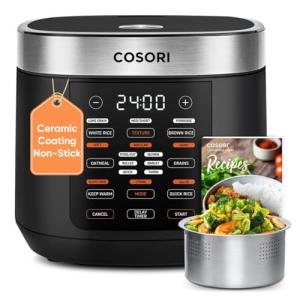
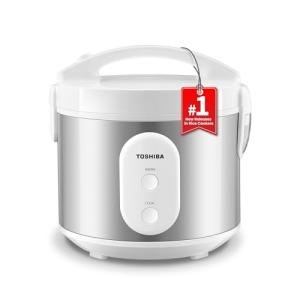
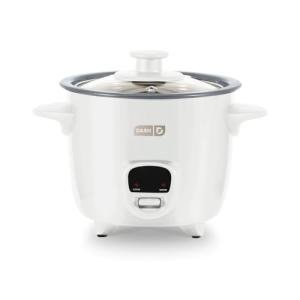
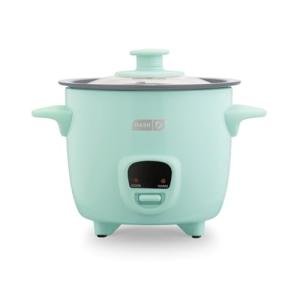
Why a Rice Cooker Belongs in Every Kitchen
The honest answer? Because stovetop rice is just harder than it looks.
Water ratios, heat levels, and timing all vary depending on the type of rice, your altitude, your pot material, and frankly, whether you remembered to watch the clock. A rice cooker removes every one of those variables. It senses moisture and temperature automatically, adjusts the cooking process as needed, and shuts off — or switches to a warm setting — the moment the rice is done.
But rice cookers do far more than cook rice. Modern appliances in this category can steam vegetables, prepare oatmeal and porridge, slow cook stews, bake simple cakes, and even handle quinoa, lentils, and other grains that have their own quirky cooking requirements. For apartment dwellers and minimalist cooks especially, a quality rice cooker can effectively replace two or three other kitchen appliances.
Beyond convenience, there's consistency. Every bowl comes out the same way — fluffy, properly cooked, with just the right amount of chew. That kind of reliability is genuinely valuable in a busy household.
Types of Rice Cookers Explained
Basic Rice Cookers
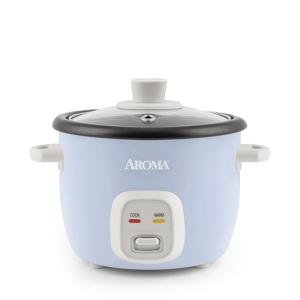
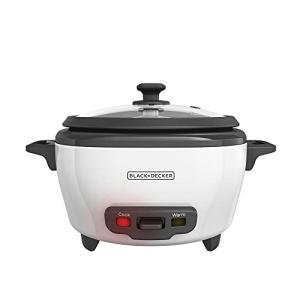
Entry-level rice cookers use a straightforward on/off mechanism. You add rice and water, press the lever or button, and the cooker turns off automatically when the internal temperature rises above 100°C — the point at which all water has been absorbed or evaporated. Simple, effective, and often very affordable.
These models are a smart pick for anyone who primarily eats white rice and wants a dependable tool without paying for features they'll never use. They're easy to clean, compact, and built to last. Don't overlook them just because they're basic — for their intended purpose, they work beautifully.
Fuzzy Logic Rice Cookers
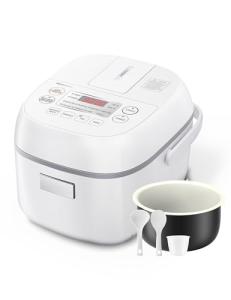
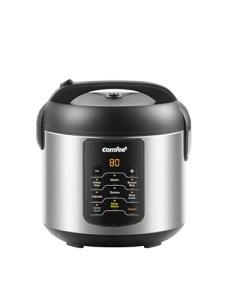
Fuzzy logic technology allows the cooker's internal computer to make real-time adjustments during cooking. It monitors temperature, adjusts cooking time, and compensates for variations in rice type, water quantity, or even ambient room temperature.
The result is noticeably better rice — especially for brown rice, sushi rice, and mixed grains that require more precise conditions. These cookers typically come with multiple preset menus so you can switch between jasmine, basmati, sticky rice, porridge, and more with a single button press.
If you eat a wide variety of rice types or regularly cook for people with different preferences, a fuzzy logic model is worth the step up in price.
Induction Heating Rice Cookers
Induction heating (IH) models use electromagnetic technology to heat the entire inner cooking pot, not just the bottom. This creates a more even cooking environment, which translates to more consistent texture throughout the pot — no more slightly crunchy layer hiding at the bottom.
IH cookers are typically the top of the rice cooker range, and the price reflects that. They're favored by serious home cooks and anyone who wants the closest thing to restaurant-quality rice at home. Japanese brands like Zojirushi and Panasonic have built their premium IH lines with long-standing reputations for exceptional results.
Multi-Cookers and Pressure Rice Cookers
Some models combine rice cooking with pressure cooking functionality, which speeds up cooking time significantly and can be especially useful for brown rice — normally a slow cook — and for dried beans or tough grains.
Multi-cookers in this category blur the line between rice cooker and Instant Pot-style appliances. If counter space or budget is limited, these hybrid models offer real versatility without requiring you to own multiple gadgets.
What to Look for When Buying a Rice Cooker
Capacity
Rice cooker capacity is measured in cups — but be aware that manufacturers typically use the smaller "rice cup" measurement (around 180ml), not the standard 240ml measuring cup. A 5-cup rice cooker will make about 5 rice cups of uncooked rice, which yields roughly 10 servings of cooked rice.
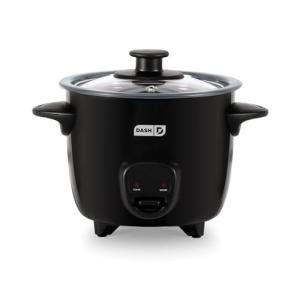
For one or two people, a 3-cup model is usually plenty and takes up minimal counter space. Families of four to six tend to find 5 to 6 cups the sweet spot. If you cook for large gatherings or meal prep heavily, look at 10-cup capacity models.
Keep-Warm Function
A keep-warm feature maintains cooked rice at a safe, ready-to-eat temperature — usually around 65–70°C — for several hours after cooking. This is enormously useful if your household eats at different times or if you cook rice in the morning for an evening meal.
Better models have extended keep-warm capabilities that can hold rice for 12 to 24 hours without it drying out or developing off flavors. If this matters to your routine, pay attention to how long each model claims to keep rice fresh.
Inner Pot Coating and Material
The inner cooking pot matters more than people expect. Non-stick coatings make cleanup easy but vary considerably in durability. Cheaper non-stick pots can chip or scratch over time; better-quality pots use multi-layer coatings, hard anodizing, or stainless steel construction.
If you have concerns about PTFE-based coatings, look for models marketed as PFOA-free, or seek out stainless steel inner pots, which are increasingly available in mid-range models.
Additional Settings and Presets
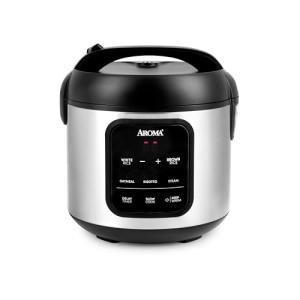
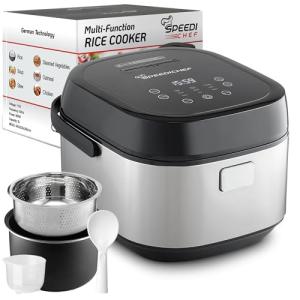
If you cook more than white rice, a model with multiple preset programs gives you real everyday value. Common presets to look for include:
- Brown rice — requires longer cooking at lower heat
- Sushi/short-grain rice — benefits from specific water absorption timing
- Porridge/congee — slow, gradual process very different from regular rice
- Steam — for vegetables, fish, and dumplings
- Slow cook — for soups and stews
- Quick cook — when you're short on time
The more varied your cooking habits, the more value you'll get from a model that handles these modes well.
Ease of Cleaning
Look for a removable inner lid and a detachable steam vent cap — both of which collect condensation and starch residue over time. Without them being removable, your cooker will be frustratingly difficult to keep clean. Dishwasher-safe inner pots are a bonus but not a necessity.
Popular Rice Cooker Brands Worth Knowing
Zojirushi is widely regarded as the gold standard for premium rice cookers. Japanese-engineered models with IH technology and multiple grain settings, designed to last for years. Premium pricing, but the performance justifies it for dedicated rice eaters.
Panasonic offers excellent mid-range and premium IH models with solid build quality and reliable results. A strong choice if you want near-top-tier performance without the very highest price point.
Tiger is another respected Japanese brand that sits between entry-level and premium. Particularly good for families who want fuzzy logic capabilities without breaking the bank.
Aroma Housewares delivers genuine value at the lower end of the price spectrum. Their models are popular among budget-conscious buyers and first-time rice cooker owners looking for a reliable introduction to the category.
Instant Pot models with rice cooking functions offer excellent versatility if you also want pressure cooking, slow cooking, and sautéing in a single appliance.
Rice Cookers and Grain Diversity
Here's something worth emphasizing: a good rice cooker doesn't just handle white rice. Modern models — especially those with fuzzy logic or multiple preset programs — excel at cooking a surprising range of grains.
Brown rice can be cooked to a soft, satisfying texture rather than the chewy, underdone result you sometimes get on the stovetop. Wild rice and mixed grain blends benefit from the consistent low heat. Quinoa cooks cleanly with no babysitting. Oatmeal and congee come out creamy and smooth with the right setting.
For households with diverse dietary needs or an interest in whole grains, this versatility makes a quality rice cooker a genuinely transformative purchase — not just a single-use appliance you pull out once a week.
The Environmental Case for Rice Cookers
Modern rice cookers are energy efficient by design. They use insulated pots and smart heating elements to minimize wasted electricity, and the keep-warm function uses a fraction of the energy of a running stovetop burner. If you currently leave a pot of rice on low heat to stay warm, switching to a rice cooker with a proper keep-warm function will use considerably less electricity over time.
For households where rice is a daily staple, this energy efficiency adds up meaningfully over the lifetime of the appliance.
Caring for Your Rice Cooker
With basic maintenance, a quality rice cooker can serve your kitchen for a decade or more.
Rinse the inner pot after every use rather than leaving cooked-on starch to harden. Wipe down the heating plate occasionally — a damp cloth while the unit is cool is usually all it takes. Check and clean the steam vent cap regularly, as this small component can clog with starch residue and affect performance if neglected.
Avoid using metal utensils in non-stick pots, and don't use abrasive scrubbers on coated surfaces. Store the unit with the lid slightly ajar to allow air circulation and prevent moisture buildup.
Finding the Right Rice Cooker for You
The right choice comes down to three honest questions: How often do you eat rice? What types of rice and grains do you cook? And what's your realistic budget?
If rice is on the table two or three times a week, even a modest mid-range model will pay for itself quickly in convenience and consistent results. If rice is a daily staple in your household — as it is for millions of families — investing in a quality fuzzy logic or IH model is one of the most sensible kitchen purchases you can make.
Browse our full selection by capacity, technology type, brand, and price to find exactly what your kitchen needs. Every model in this category has been selected for reliability, user satisfaction, and value at its price point. Whether you're buying your first rice cooker or upgrading from a basic model, you're in the right place.