What Is a Popover Pan, Exactly?
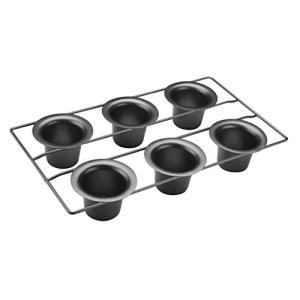
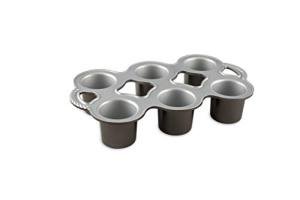
A popover pan is a specialized baking pan built specifically for making popovers — those light, hollow, egg-based pastries that puff dramatically during baking. At first glance, it might look like a muffin tin, but the differences are significant once you start paying attention.
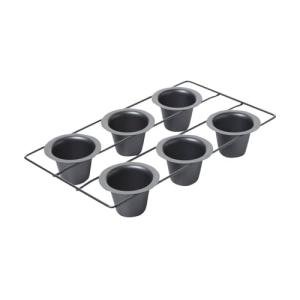
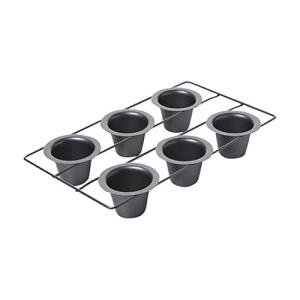
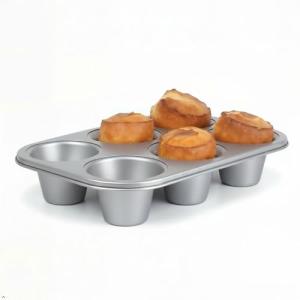
The defining feature of a popover pan is its deep, narrow, straight-sided cups. Where a standard muffin tin has shallow, wider wells that let batter spread out and flatten at the top, a popover pan's tall cylindrical cups force the batter upward. As the steam inside the batter expands in the hot oven, it has nowhere to go but up — and that's where you get that spectacular rise, the signature "pop" over the rim of the pan that gives these pastries their name.
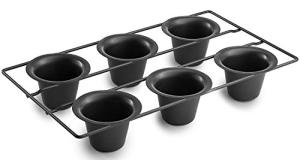
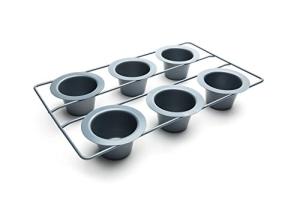
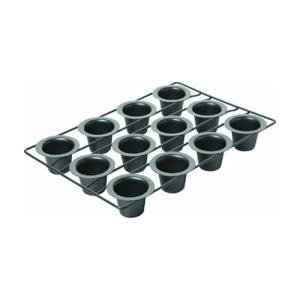
The cups are typically deeper and narrower than anything you'll find on a regular muffin tin, and in many designs, the wells are separated from one another so that hot oven air can circulate freely around each one. That all-around heat exposure means each popover bakes evenly, getting that thin, crispy outer shell while staying light and airy inside.
Most standard popover pans hold six popovers. Mini versions hold twelve or more smaller ones, and there are also extra-large or "grand" designs for bakers who want genuinely dramatic, restaurant-style results.
Why You Can't Just Use a Muffin Tin
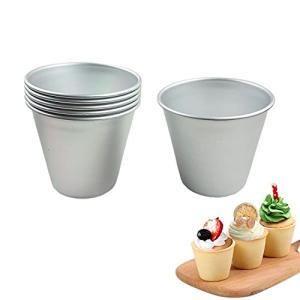
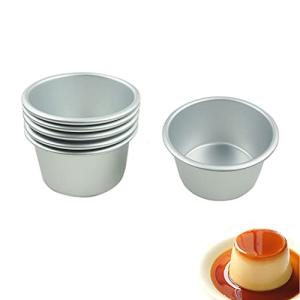
People ask this all the time, and honestly, it's a fair question. If you're in a pinch, yes — you can technically bake popovers in a muffin tin or even in individual ramekins. But you'll notice a difference immediately.
The height matters. Popover batter relies on steam pressure building inside those tall, narrow cups. In a standard muffin tin with its wider, shallower wells, that steam can't build the same way, and the result is a flatter, denser pastry that lacks the hollow interior and the impressive rise. It's still edible, but it's not really a popover anymore — it's just a dense egg roll.
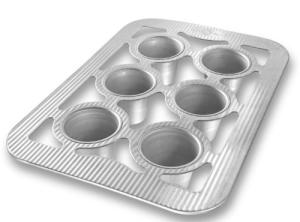
Beyond height, heat circulation plays a role too. Many purpose-built popover pans are designed so that each cup stands somewhat independently, allowing oven heat to wrap around the sides of every well. In a connected muffin tin, the cups share walls, which limits how efficiently heat reaches the batter. Popovers need consistent, intense heat — especially in the first few minutes of baking — to generate the steam burst that creates that hollow rise.
If you love popovers (or Yorkshire pudding, which is essentially the same thing made in drippings), a dedicated popover pan is one of those kitchen tools that genuinely earns its shelf space.
Types of Popover Pans: A Breakdown by Material
Not all popover pans are built the same, and the material makes a real difference to your results. Here's what you'll commonly find on the market:
Aluminized Steel
This is probably the most popular material for quality popover pans, and for good reason. Aluminized steel heats up quickly and distributes heat evenly across the entire surface of each cup. It's lightweight enough to handle comfortably, and it holds up well over years of regular baking.
Many professional-grade and commercial popover pans are made from aluminized steel. It's the material of choice for brands that supply bakeries, which tells you a lot about its performance credentials. When shopping in this category, look for heavier gauge steel — thicker construction means better heat retention and less warping over time.
Cast Iron
Cast iron popover pans are a favourite among bakers who want maximum heat retention and an especially crispy crust. Cast iron takes longer to heat up, but once it gets there, it holds that temperature consistently throughout the bake. That steady, intense heat is ideal for achieving a beautifully browned, crunchy exterior on your popover.
The trade-off is weight and maintenance. Cast iron pans are noticeably heavier than their aluminum counterparts, and they require proper seasoning and drying after washing to prevent rust. They're not the most beginner-friendly option, but for bakers who already use cast iron cookware and know how to care for it, they produce exceptional results.
Carbon Steel
Carbon steel sits somewhere between aluminized steel and cast iron — it heats up faster than cast iron but offers better heat retention than plain aluminum. It's also fairly lightweight and durable. Many nonstick popover pans in this category use a carbon steel base with a coating applied on top, making them a practical, everyday choice.
Nonstick Coated Pans
Nonstick popover pans — regardless of their base material — are genuinely convenient, especially if you're not yet confident in your technique. The coating ensures your popovers release cleanly from the cups without tearing or sticking, which matters a lot when you've got hollow, delicate pastries that could collapse if you're not careful getting them out.
If you go the nonstick route, look for coatings that are PFOA and PTFE-free. Many modern options use silicone-based nonstick surfaces that are both food-safe and effective. Just remember that nonstick pans don't love metal utensils or abrasive scrubbing — treat them gently and they'll last a long time.
Silicone
Silicone popover molds are flexible, nonstick, and practically effortless to clean. They're also BPA-free and relatively affordable. On the downside, silicone doesn't conduct heat as efficiently as metal, which can affect the colour and crispiness of your popover's crust. If a light, tender interior is your priority over a deeply golden crust, silicone can work well. But if you want that dramatic browning and crunch, metal pans will serve you better.
Key Features to Look For
When you're browsing popover pans, these are the details that separate a truly good pan from a mediocre one:
Cup Depth and Shape — Deeper, narrower cups produce taller, more dramatic popovers. Some pans have slightly tapered cups (wider at the top than the bottom) which can help with release and also promotes better air circulation inside each well during baking. If you want restaurant-style height, prioritize deep cups.
Spacing Between Cups — In some designs, the individual cups are connected only at their rims or handles, leaving open space between each well. This allows hot oven air to circulate around all sides of the cup, not just the top and bottom. The result is a more evenly baked popover with a consistently crispy crust all the way around.
Handles — A good popover pan should have comfortable, sturdy handles on each end. You'll be pulling this pan out of a very hot oven — sometimes at 450°F — and you don't want to fumble around with an awkward grip when you've got oven mitts on. Wide, angled handles make that job much easier.
Gauge and Construction — Thicker, heavier gauge metal means better heat distribution and less risk of warping over time. Cheaper, thin pans can warp when exposed to high oven temperatures repeatedly, which affects how evenly your popovers bake.
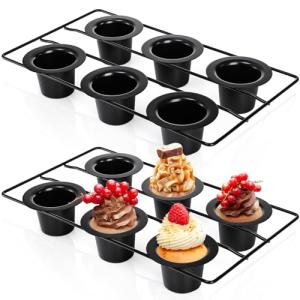
Capacity — Standard pans make six popovers. If you're regularly cooking for a crowd, consider having two standard pans or choosing a 12-cup design. Keep in mind that baking two pans at once can affect oven temperature and airflow, so you may need to rotate pans or adjust your timing slightly.
Oven-Safe Temperature — Most quality popover pans are rated to 450°F (230°C), which is right where you need to be for a proper popover. Check the manufacturer's rating before buying, especially for nonstick coated pans — some cheaper coatings degrade at high heat.
What Else Can You Make in a Popover Pan?
Here's something a lot of buyers don't think about until after they've used their pan a few times: popover pans are remarkably versatile.
The most obvious alternative use is Yorkshire pudding — the British staple made from a batter nearly identical to popovers, traditionally cooked in beef drippings. The tall, narrow cups are perfectly suited to it.
But beyond that, popover pans work beautifully for oversized muffins with extra height, individual cornbread portions, deep egg cups for baked eggs, small individual soufflés, and even certain types of individual bread rolls. The deep cup format works anywhere you want serious height in a single-serving baked good.
Some bakers also use them for individual chocolate lava cakes or individual cheesecakes, where the depth of the cup gives you a nice thick result without needing a springform pan.
Tips for Getting the Best Results from Your Popover Pan
The pan is only one part of the equation. Here are a few practical things that will make a noticeable difference:
Preheat the pan. Place your empty, greased pan in the oven while it preheats. Pouring cold batter into a cold pan is one of the most common reasons popovers don't rise properly. A hot pan creates an immediate burst of steam when the batter hits it, which is exactly what kicks off that dramatic puff.
Room temperature ingredients. Eggs and milk straight from the fridge can dramatically slow down that initial steam burst. Take them out 30 minutes before you start baking.
Don't open the oven door. Seriously, resist the urge. Letting cold air into the oven during the first 20–25 minutes of baking can cause your popovers to collapse. Trust your timer.
Fill cups correctly. Most recipes call for filling popover cups about halfway to two-thirds full. Overfilling doesn't mean taller popovers — it usually means overflow and a soggy mess.
Care for nonstick properly. Use silicone, nylon, or wooden utensils only. Avoid cooking sprays if your manufacturer advises against it (many do, since aerosol sprays can leave a residue that builds up over time and degrades nonstick performance). Hand washing with warm soapy water is almost always recommended over the dishwasher, even for "dishwasher-safe" pans.
Finding the Right Popover Pan for You
If you're a casual home baker who makes popovers occasionally, a quality nonstick aluminized steel pan in the 6-cup size is the most practical choice. It's easy to use, easy to clean, performs reliably, and won't take up much space in your cabinet.
If you're a more experienced baker who values maximum browning and that deep, rich crust, a cast iron or dark metal pan will reward your extra effort with noticeably better results.
If you're cooking for large groups regularly, a 12-cup pan or a pair of 6-cup pans gives you flexibility and efficiency.
And if you're curious and want to try before fully committing, silicone options are typically among the most affordable entry points — they won't give you the crispiest crust, but they'll let you get comfortable with the technique before you invest in a more serious pan.
Popover pans are one of those specialty bakeware items that, once you use one properly, you'll wonder how you lived without. They're purpose-built to do one thing extremely well — and that thing happens to be one of the most impressive, satisfying bakes you can pull off in a home kitchen. Whether you're chasing that bakery-quality tall rise, perfecting your Yorkshire pudding technique, or just looking for a fun new weekend baking project, the right popover pan is the foundation everything else builds on.