What's the Difference Between a Pie Pan, a Tart Pan, and a Quiche Pan?
People use these terms interchangeably all the time, but they're not quite the same thing, and knowing the difference helps you pick the right tool for the job.
Pie pans (also called pie dishes or pie plates) are the most familiar of the three. They have sloped, angled sides — usually between 1.5 and 2.5 inches deep — and come as a single, solid piece. That generous depth and curved shape is ideal for double-crust pies filled with apples, berries, cherries, or a rich custard. The sloped sides also make it easier to press and crimp pastry by hand. Pie pans are versatile workhorses that can handle both sweet and savory applications, from classic pecan pie to pot pie and everything in between.
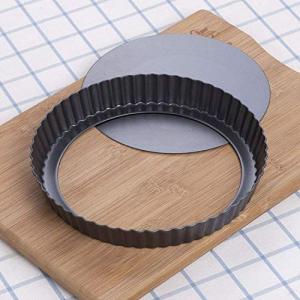
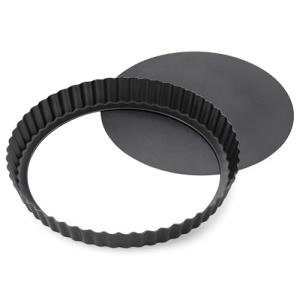
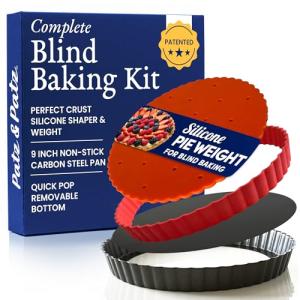
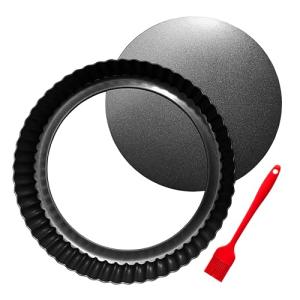
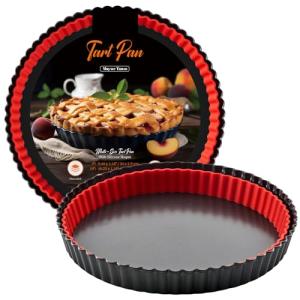
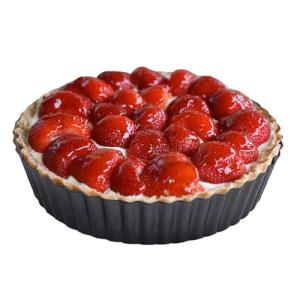
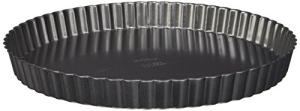
Tart pans have a very different character. The sides are straight, short, and fluted — those decorative rippled edges you see on elegant fruit tarts and chocolate ganache tarts in patisserie windows. The signature feature of a proper tart pan is a removable bottom: a flat metal disc that sits loosely inside the fluted ring. Once your tart is baked and cooled, you simply push up from below and the ring falls away, leaving a beautifully finished pastry shell with clean, sharp edges that would be impossible to achieve in a standard pie dish. Most tart pans sit around 1 inch deep, which keeps the pastry-to-filling ratio balanced and gives you those elegant, thin slices.
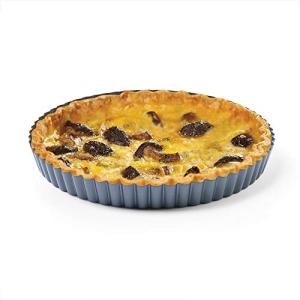
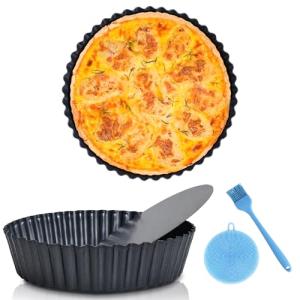
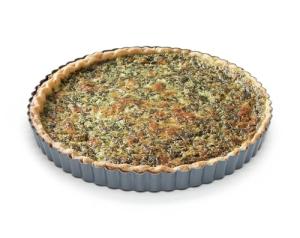
Quiche pans are essentially the deeper cousin of the tart pan. They share the same straight-sided, fluted design and almost always feature a removable bottom. The extra depth (typically 1.5 inches or more) accommodates the egg-and-cream custard that defines a proper quiche without overflow risk. Because of the removable bottom, the finished quiche unmolds cleanly onto a serving plate — a huge advantage when you want to present it properly at the table rather than scooping slices straight from the pan.
Materials: What Your Pan Is Made From Changes Everything
This is where many buyers go wrong — focusing on size or price before considering the material. The material determines how quickly your pan heats up, how evenly heat travels through the crust, and how well it holds and releases that heat.
Metal Pans (Aluminum, Carbon Steel, Stainless Steel)
Metal is the professional baker's default for good reason. Metal pans conduct heat quickly and efficiently, which means they transfer that energy directly to the base of your pastry the moment it enters the oven. The result is a crisper, more evenly browned bottom crust — the thing every pie baker is chasing. Among the metals, carbon steel and stainless steel are generally preferred for tarts and quiches because they heat up a little more slowly and evenly than aluminum. Aluminum, while excellent for some applications, can heat too quickly for delicate custard fillings, potentially causing uneven baking or a slightly bubbly surface on lemon tarts and similar recipes.
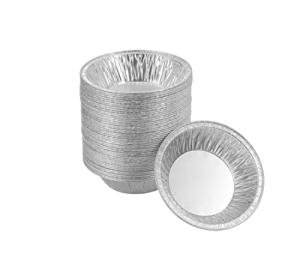
Aluminum's advantages show up in disposable and lightweight pans — great for transporting baked goods or giving pies as gifts. Heavy-gauge aluminum used in professional-grade bakeware performs significantly better than thinner versions, offering the speed benefits of aluminum with better stability and more even heat distribution.
Nonstick coatings on metal pans add genuine convenience, making it much easier to release crusts cleanly after baking. Look for PFOA-free coatings for peace of mind, and check that the coating is reinforced for durability. Even with a nonstick surface, a light greasing before use is always a sensible habit.
Glass Pie Dishes
Glass has real advantages that deserve appreciation. It heats up more slowly than metal — it's an insulator rather than a conductor — but it retains that heat very effectively once hot and stays warm long after it leaves the oven. For fruit pies that bake for a long time, this means the crust has extended contact with gentle heat, which often produces a deeply browned, caramelized bottom.
The biggest practical advantage of glass? You can see exactly what's happening to your crust from the outside. That ability to check the bottom crust color without removing the pie from the oven is genuinely useful, especially for beginners who haven't yet developed a feel for doneness. Glass is also non-reactive, meaning it won't interact with acidic fillings like lemon or cherry, and it moves elegantly from oven to table for serving.
The downsides are weight and fragility. Glass pie dishes are heavier and more breakable than metal, and while most are oven-safe for standard baking temperatures, they don't appreciate rapid temperature changes — don't take a cold glass dish straight from the freezer to a hot oven.
Ceramic and Stoneware Pie Dishes
Ceramic is the choice when aesthetics matter as much as function. These dishes come in beautiful colors and glazed finishes that look genuinely lovely on the table. Functionally, ceramic behaves similarly to glass — slow to heat up, good at retaining warmth, and perfectly suited for longer bakes. The variation in thickness and construction between different ceramic brands means performance can differ from one dish to another, so it's worth paying attention to reviews that specifically test baking performance rather than just appearance.
Ceramic dishes are typically made as single pieces without removable bottoms, which makes them ideal for rustic pies and quiches you plan to slice and serve straight from the dish. They're also freezer-to-oven safe in many cases, making them convenient for baking from frozen. Dishwasher safety varies by product, so always check the manufacturer's guidance.
Sizes and What They're Good For
Getting the size right is more than a technicality — using the wrong size pan changes the depth of your filling, alters baking time, and can throw off the ratios in a recipe.
Standard 9-inch is the most common size you'll encounter in recipes and the most versatile size to own. A 9-inch pie dish, tart pan, or quiche pan covers the vast majority of everyday baking needs and serves six to eight people comfortably.
Larger sizes (10–12 inch) are ideal for feeding a crowd, making deeper pies, or producing a quiche that can serve as the centrepiece of a brunch spread. These work well for large families and entertaining.
Individual and mini sizes (4–6 inch) are perfect for personal portions — individual quiches for a dinner party starter, mini fruit tarts for a dessert platter, or personal pot pies for an easy weeknight dinner. Mini tart pans with removable bottoms in sets of four to twelve give you enormous flexibility and make portion control effortless.
Rectangular and square tart pans offer a dramatic alternative to round shapes, producing slices with clean, uniform edges. They're particularly popular for savoury tarts with layered vegetable fillings, where the rectangular format makes slicing neat and practical.
Key Features to Look For When Buying
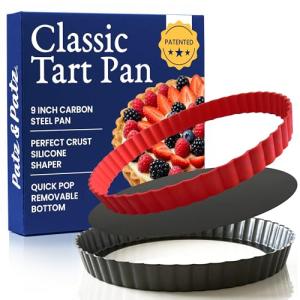
Removable bottom — essential for tart and quiche pans. The ability to push up the base and slide the ring away cleanly is what separates a tart from a glorified pie. Without it, you're cutting and lifting from the pan rather than unmoulding a finished shell.
Heavy gauge construction — thinner pans warp in high heat, heat unevenly, and generally don't last. Heavier gauge metal distributes heat more evenly and resists the kind of warping that can cause liquid fillings to pool to one side.
Fluted edges — the classic wavy rim on tart and quiche pans serves both function and form. It helps the pastry cling and hold its shape as it bakes, and it creates that signature decorative finish. The depth of the flutes matters: shallower flutes are easier to line with delicate pastry doughs and easier to clean; deeper flutes give a more dramatic appearance but require a little more care when pressing dough into the grooves.
Nonstick coating — reduces the need for heavy greasing and makes cleanup considerably easier, particularly important with custard-based fillings that can stick to uncoated metal.
Dishwasher safety — convenient, though for nonstick pans, hand washing with a soft cloth is always gentler and extends the life of the coating significantly.
Caring for Your Pans
No matter which material you choose, a little attention to care pays dividends in longevity. For metal pans with nonstick coatings, skip the metal utensils and abrasive scrubbers entirely — they scratch and degrade the surface faster than anything else. Warm water, a soft sponge, and mild washing-up liquid is all you need. Even if a pan is technically dishwasher-safe, the harsh detergents and high heat of a dishwasher cycle can gradually break down nonstick surfaces over time.
Store metal pans with paper or cloth between them if stacking — the fluted edges are delicate and can scratch each other when thrown together in a drawer. Ceramic and glass dishes are more forgiving in storage but benefit from padded stacking to prevent chips.
Season new carbon steel pans before first use if they don't come with a nonstick coating — a light wipe of neutral oil followed by gentle heating in the oven encourages a natural non-stick patina over time.
Who Needs More Than One Pan?
Honestly? Most bakers end up with several. A deep glass or ceramic pie dish for fruit pies and pot pies, a 9-inch metal tart pan with removable bottom for pastry tarts and quiche, and a set of mini individual pans for entertaining covers nearly every baking scenario you'll encounter. If you bake pies regularly, having two of the same size pie dish is useful — one for the fridge while the other is in the oven.
Pie, tart and quiche pans might look like simple kitchen equipment, but the right choice genuinely elevates your baking. A heavy-gauge metal tart pan with a removable bottom produces a professional-looking pastry shell that a ceramic dish simply can't replicate. A clear glass pie plate gives you visual feedback on your crust colour that no other material offers. Ceramic brings beauty and heat retention that makes it the natural choice for a showstopping table presentation.
Think about what you actually bake most often, how much you value easy cleanup versus performance, and whether presentation or practicality takes priority in your kitchen. With the right pans on your shelf, everything from a casual weeknight quiche to a celebration-worthy patisserie-style tart is entirely within reach.