What Is an Ice Cream Machine?
At its core, an ice cream machine does two things: it churns a liquid mix and freezes it simultaneously. That churning motion is what gives ice cream its smooth, creamy texture — it keeps ice crystals small and incorporates air into the mixture (a process called "overrun"). Without it, you'd end up with a solid, icy block rather than the scoopable treat you're after.
Beyond that basic principle, however, there's a surprisingly wide world of machines — each designed for a different output, scale, and style of frozen dessert.
The Main Types of Ice Cream Machines
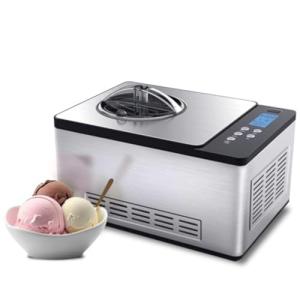
Compressor Ice Cream Makers (Home Use)
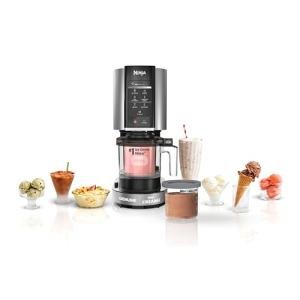
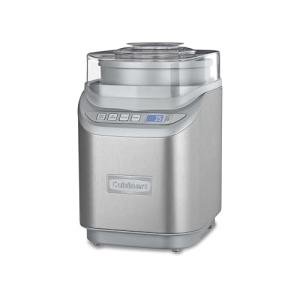
These are the top-tier option for home cooks. Compressor machines have a built-in refrigeration unit, which means you don't need to pre-freeze any bowls overnight. You simply pour in your mix, switch it on, and within 20–40 minutes you have fresh ice cream — ready to eat or transfer to the freezer.
The big advantage here is convenience and consistency. You can make batch after batch in a single day, the texture tends to be noticeably smoother than with cheaper machines, and you have much more control over the outcome. The trade-off is price: compressor models typically cost more than freezer-bowl alternatives, and they take up more counter space.
For anyone who makes ice cream more than occasionally — or for people who want genuinely good results without the prep work — a compressor machine is well worth the investment.
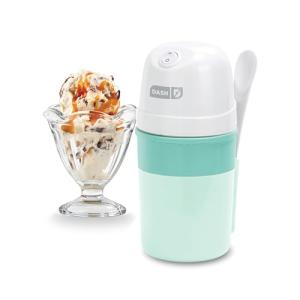
Freezer Bowl (Canister) Ice Cream Makers
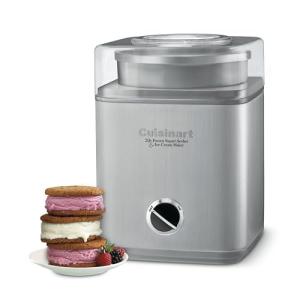
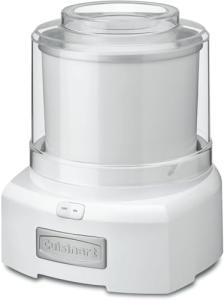
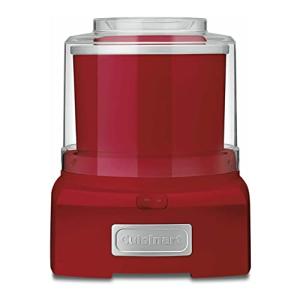
These are the classic entry-level option. You freeze the inner bowl in your freezer for at least 8–12 hours before use, then attach the churning mechanism, add your mix, and let it run. They're affordable, compact, and surprisingly capable for what they cost.
The obvious limitation is that you can only make one batch per freeze cycle. If you want a second batch on the same day, you'd need a second bowl. The ice cream also tends to have slightly larger ice crystals compared to compressor models, though for casual home use most people find the results more than satisfying.
If you only make ice cream a few times a year, a canister machine is genuinely a great deal — low cost, low maintenance, and easy to store.
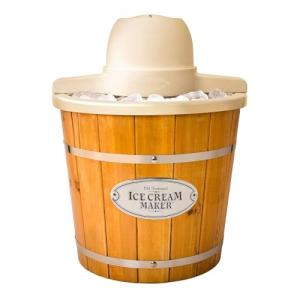
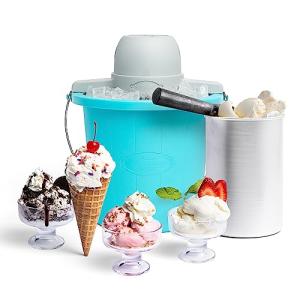
Salt-and-Ice Machines
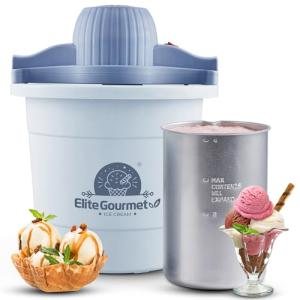
These are the old-school method. You pack the outer chamber with ice and rock salt (which lowers the freezing temperature), pour your mix into the inner canister, and churn away. They're the most hands-on option, the results can be lovely and rustic, and they're deeply satisfying in a nostalgic kind of way. They're also the least convenient and least suited to anyone who wants reliable, repeatable results without fuss.
Commercial Ice Cream Machines: A Different League
Once you move beyond home kitchens into foodservice territory, the machines are built to a completely different standard. They run continuously, handle high volumes, and are constructed from food-grade stainless steel that can withstand the daily grind of a professional kitchen.
Soft Serve Machines
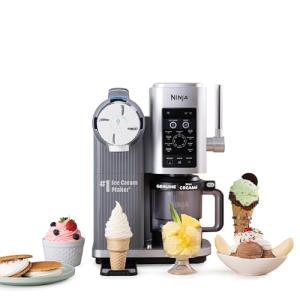
Soft serve machines are built specifically to produce that light, swirly, melt-in-your-mouth texture you find at fast food chains, ice cream kiosks, and dessert cafés. The key difference from hard ice cream is overrun — soft serve incorporates more air during the freezing process, resulting in a fluffier, lighter product that's dispensed directly into a cone or cup at the point of service.
These machines come in countertop versions for smaller operations and larger floor-standing models for high-volume environments. You can find single-flavor units (ideal if you're keeping things simple with one or two signature flavors) or multi-compartment models that allow you to offer multiple flavors and even twist combinations.
There are two feed system types to know about: gravity-fed and pressure-fed. Gravity-fed machines are generally more affordable and simpler to maintain — they rely on gravity to move the mix into the freezing cylinder, which results in a denser, slightly more flavorful product with less air incorporated. Pressure-fed machines, on the other hand, push the mix under pressure, producing higher overrun and a lighter, fluffier texture. They tend to cost more but can deliver a more consistently airy product in high-volume settings.
Batch Freezers
Batch freezers are the workhorses of artisan ice cream production. Unlike soft serve machines that dispense product continuously on demand, a batch freezer produces finished ice cream in individual batches that are then transferred to storage containers or display cases.
They come in vertical and horizontal configurations. Vertical batch freezers are narrow and tall, and allow you to add mix-ins like fruit, nuts, or swirls during the freezing process — great for artisan operations where variety and customization are central to the offer. Horizontal models produce larger batches and are more commonly found in dedicated ice cream parlors and gelato shops, where the finished product is scooped out into pans and held in a cold case.
There are also multi-functional batch freezers that combine both heating and freezing capability in a single unit. These can handle not just ice cream, gelato, and sorbet, but also pastry creams, mousses, and other preparations — a real space-saver for kitchens where versatility matters.
Cooling Systems: Air-Cooled vs. Water-Cooled
Whether you're looking at a soft serve machine or a batch freezer, you'll come across this distinction. Air-cooled units draw in ambient air to cool the condenser, which means they need a certain amount of clearance from walls and other equipment. They're easier to install and maintain. Water-cooled units use a water supply to cool the condenser — they don't need the same breathing room, but they do require a plumbing connection. Water-cooled machines are often preferred in hot or enclosed environments where air-cooling becomes less efficient.
Key Features to Look For
Capacity
Think about how much ice cream you actually need to produce. For home use, most machines make between 1 and 2 quarts per batch — that's plenty for a family. For commercial purposes, you need to think in terms of servings per hour during your peak periods, then build in a buffer of around 20–30% to account for refills, flavor changes, and cleaning tasks without service bottlenecks.
Ease of Cleaning
This matters more than people often realize, especially in a commercial setting. Machines with removable parts, auto-clean cycles, and minimal internal crevices are significantly easier to keep hygienic. Soft serve machines need deep cleaning every few days to prevent bacterial buildup in the freezing cylinder and dispensing parts — a machine that makes this process straightforward saves real labor time.
Noise Level
For home kitchens this rarely matters much. For customer-facing café or restaurant environments, a machine that runs loudly on the counter can be a genuine annoyance. Well-built compressor systems with quality insulation tend to run considerably more quietly than budget alternatives.
Energy Consumption
Energy efficiency has become a real differentiator in the commercial space. High-efficiency models can reduce power consumption by 20–30% annually compared to older or less sophisticated machines, which adds up considerably over time. Look for machines with precision temperature controls that avoid over-chilling and waste less energy maintaining product at the right serving temperature.
Number of Flavors
For commercial operations, this is a menu decision as much as a machine decision. Single-flavor machines are simpler to operate and maintain. Multi-flavor and twist machines open up your menu, increase the perceived value of your offer, and give customers more reason to come back — but they also add complexity and cost.
Matching the Machine to Your Needs
The right machine depends entirely on who you are and what you're trying to do.
If you're a home cook who loves making ice cream on weekends, a quality compressor machine will give you the best results with the least frustration. If budget is a priority and you only make ice cream occasionally, a freezer-bowl machine does the job well enough and takes up barely any space.
If you're opening a café or adding frozen desserts to an existing menu, a countertop soft serve machine is often the smartest starting point — relatively affordable, manageable to maintain, and capable of producing a product that customers genuinely love. As your volume grows, stepping up to a floor-standing model becomes a natural progression.
If you're running a dedicated ice cream parlor or artisan gelato shop, a batch freezer is the heart of your operation. Choose between vertical and horizontal based on your production style and the amount of customization you want to offer. Pair it with a proper display case and you have the foundation for a serious dessert business.
For high-traffic, high-volume environments — theme parks, large buffets, busy food courts — a commercial floor-standing soft serve machine with a large hopper, multi-flavor capability, and robust cooling is what you need. These machines are engineered for continuous operation, and choosing the right capacity tier upfront will prevent service bottlenecks during peak hours.
A Word on Maintenance
No ice cream machine — home or commercial — runs well without proper care. Bearings wear out, seals can dry up, and any machine that handles dairy will develop hygiene issues if it isn't cleaned regularly. For home machines, cleaning after each use and storing properly is usually all you need. For commercial machines, follow the manufacturer's cleaning schedule precisely, keep replacement parts on hand, and factor service and maintenance into your running costs from day one.
Build quality is the single most important thing to look for in a commercial machine. Food-grade stainless steel construction, sanitary welds, and easily removable parts aren't luxuries — they're baseline requirements for anything that's going to survive a professional kitchen environment and keep producing safe, high-quality product day after day.
Ice cream machines are one of those categories where the right choice looks very different depending on who's asking. The same product category covers a simple canister you keep in a kitchen drawer and a floor-standing commercial unit producing hundreds of servings an hour. What they all have in common is the same basic magic: taking a liquid mix and transforming it into something creamy, cold, and completely irresistible.
Take the time to be honest about your volume, your space, your budget, and the kind of product you want to make. Get those answers right, and the machine almost picks itself.