What Is a Hot Pot?
At its simplest, a hot pot is a vessel filled with simmering broth, kept hot throughout the meal, into which diners dip raw ingredients — thinly sliced meats, vegetables, tofu, noodles, dumplings, seafood — cooking them right at the table before eating. Each person picks what they want, cooks it to their liking, and dips it into a personal sauce.
The tradition is ancient. Hot pot cooking has roots going back over a thousand years in China, though similar traditions exist across East and Southeast Asia — Japanese shabu-shabu, Korean jeongol, Vietnamese lẩu, Mongolian-style hot pot. Each culture brings its own broth, its own ingredients, its own rituals. But the core idea is always the same: communal cooking, communal eating, and a shared experience built around warmth.
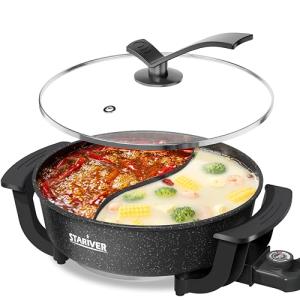
Today, hot pots range from simple clay pots heated over a flame to sophisticated electric models with digital temperature controls and dual-compartment designs for splitting a spicy broth from a mild one. There's never been a better time to bring this tradition into your own home.
Types of Hot Pots: Finding Your Style
Electric Hot Pots
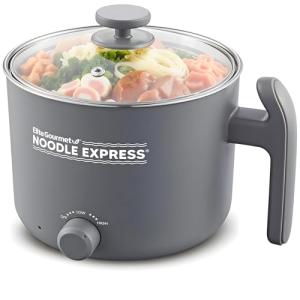
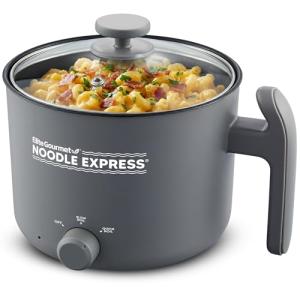
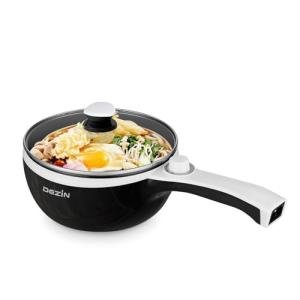
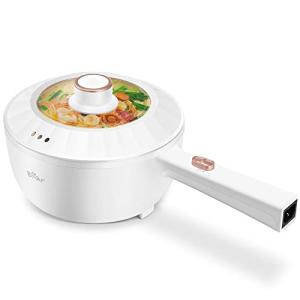
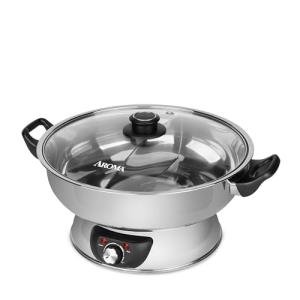
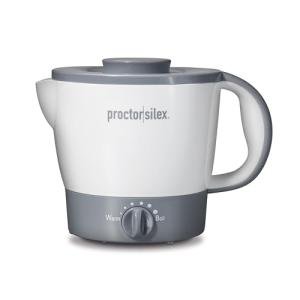
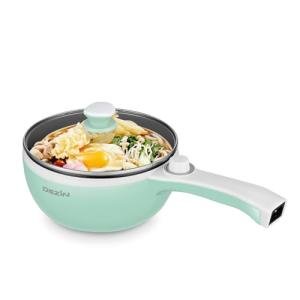
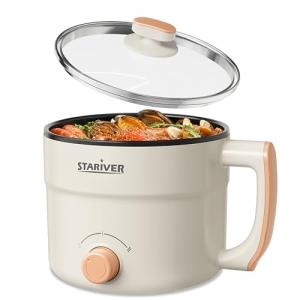
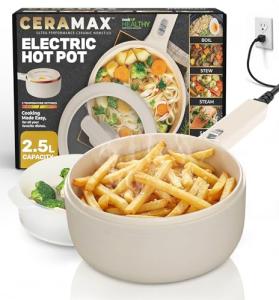
Electric hot pots are by far the most practical choice for home use. They plug into a standard socket, heat quickly and evenly, and give you precise control over temperature — no open flame required, which makes them safer for indoor use and easier to manage throughout a long, leisurely meal.
Most electric models come with adjustable heat settings so you can get the broth to a rolling boil when you need it, then dial it back to a gentle simmer when everyone's settled in and cooking at their own pace. Better electric hot pots maintain a consistent temperature without you having to think about it, which means you can actually focus on the food and the conversation rather than constantly adjusting a flame.
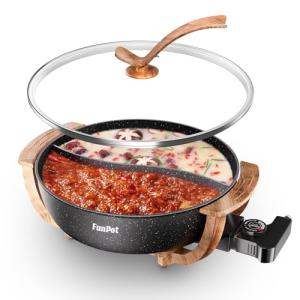
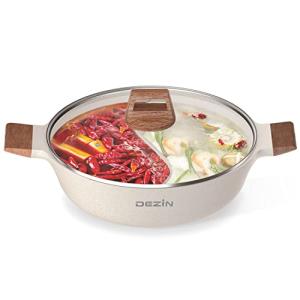
Look for models with a removable inner pot, since that makes cleaning dramatically easier. Non-stick coatings are common and helpful, though stainless steel interiors are more durable over the long run. Many electric hot pots also come with a divided design — a yin-yang style split down the middle — which is brilliant when your group has mixed tastes, letting you run a fiery mala broth on one side and a clean chicken or mushroom broth on the other.
Induction Hot Pots
Induction-compatible hot pots work with an induction cooktop, either a standalone portable unit or a built-in hob. The advantage here is rapid, highly responsive heating — induction is faster and more energy-efficient than most other methods, and because the heat transfers magnetically rather than through direct flame or a heating element, the base of the pot heats evenly.
For induction to work, the pot needs a magnetic base, which typically means cast iron or stainless steel with an iron core. If you already have an induction burner you love, pairing it with a quality induction-compatible hot pot gives you excellent control and a sleek table setup.
Traditional Stovetop and Clay Pots
There's a reason clay and earthenware hot pots have been used for centuries — they retain heat beautifully, impart a gentle, rounded quality to broths, and there's something deeply satisfying about eating from a vessel that feels genuinely ancient. Traditional clay pots and Korean dolsot-style pots are porous enough to absorb flavours over time, meaning a pot that's been used often actually gets better.
The trade-off is fragility and the need for careful handling. Clay pots generally can't handle sudden temperature changes, so you bring them up to heat gradually. They're also not always suitable for all cooktop types — check compatibility before buying. But for the experience, the aesthetics, and the flavour they bring to slow-simmered broths, they're hard to beat.
Portable Butane Hot Pots
If you want the flame experience without a fixed cooktop — for outdoor dining, camping, or table setups where electricity isn't convenient — butane-fuelled portable setups pair a lightweight stainless steel or aluminium pot with a small gas burner. They're straightforward, affordable, and give you real flame heat, which many cooks prefer for the slightly more dramatic, responsive cooking it provides.
Key Features to Look For
Capacity
Hot pot is a group meal. Even if you're cooking for two, you want enough broth to keep things going through a full meal without constantly topping up. A 4-litre pot is a comfortable minimum for two to three people; for four to six, look at 5 to 6 litres. Larger gatherings call for the biggest pots available, or multiple pots running simultaneously.
Don't underestimate how much space the ingredients take up in the broth — you want room to actually cook in the pot, not just float things on the surface.
Divided Compartments
The dual-compartment design — sometimes called a split or yin-yang hot pot — is one of the genuinely great innovations in modern hot pot design. It lets you run two completely different broths at the same time in the same pot. Practically, this means spice tolerance differences within your group are no longer a problem. Someone wants a numbing, intensely spiced Sichuan mala? Great. Someone else wants a delicate dashi or clear chicken broth? Also fine. Same pot, same table, everyone happy.
The divider between compartments needs to seal properly to prevent cross-contamination between broths. Better designs have a tightly fitted divider that sits flush with the inner walls. Cheaper versions can leak, which somewhat defeats the purpose.
Material and Durability
Stainless steel is the workhorse choice — durable, easy to clean, compatible with most heat sources, and long-lasting. It doesn't retain heat as well as cast iron, but for electric hot pots it doesn't need to.
Cast iron is heavy but exceptional at retaining and distributing heat evenly. Enamelled cast iron is especially good — it brings the thermal properties of cast iron without the rusting concerns, and it looks beautiful on the table.
Non-stick coatings are practical and make cleaning easy, but they do wear over time. Avoid metal utensils in non-stick pots and handle them carefully to extend their life.
Clay and ceramic are traditional, flavour-enhancing, and aesthetically lovely. Handle with care.
Lid Design
A good lid matters more than you might think. During the initial heating phase, a lid brings the broth to temperature much faster. Some hot pot lids are designed with small vents to release steam without boiling over. Glass lids let you watch what's happening without lifting. Domed lids give more clearance for tall ingredients. It's a small detail that affects your experience every time you use the pot.
Ease of Cleaning
The honest truth: cleaning up after a hot pot meal is the least glamorous part. Broth leaves residue, proteins stick, and if you let it sit, the mess compounds. Choose a pot with smooth interior surfaces, removable parts where possible, and materials that are dishwasher safe or at least easy to hand wash.
Non-stick interiors clean easily but require gentle handling. Stainless steel takes more effort but tolerates scrubbing. Cast iron should be dried immediately after washing to prevent rust, unless it's enamelled.
Choosing the Right Broth
A hot pot is only as good as its broth, and the right broth depends entirely on what you're cooking — and who you're cooking for.
Mala broth (numbing spice) is the classic Sichuan choice, deeply fragrant with Sichuan peppercorns, dried chilies, and a rich tallow base. Intensely flavoured, polarising in the best way.
Clear chicken or pork bone broth is mild, clean, and lets the flavour of the ingredients shine through. Ideal for delicate seafood, vegetables, and anyone who wants subtlety.
Mushroom broth is the go-to for vegetarian and vegan hot pot, earthy and savoury with dried shiitake, porcini, or kombu.
Tomato broth is bright and slightly sweet, popular with kids and anyone who finds the intense spiced versions overwhelming.
Shabu-shabu broth (Japanese style) is the most minimal — often just kombu-steeped water, very lightly seasoned, letting the quality of the ingredients speak for themselves.
Many hot pot enthusiasts keep a selection of broth bases in the pantry — concentrated paste or dried cubes — so they can switch things up easily from one meal to the next.
Accessories That Make a Difference
A hot pot meal comes with its own ecosystem of tools and accessories.
Strainer ladles and wire baskets let you cook smaller, fiddly ingredients — corn kernels, mushroom pieces, fish balls — without losing them in the broth. Individual wire baskets that hang over the rim are particularly useful, letting each person keep their ingredients corralled.
Long chopsticks designed specifically for hot pot cooking are longer than standard chopsticks to keep hands safely away from the steam. Silicone-tipped versions have better grip on slippery ingredients.
Sauce bowls are essential — hot pot is as much about the dipping sauce as the broth itself. Sesame paste, soy sauce, oyster sauce, chili oil, garlic, fresh herbs, fermented tofu: everyone builds their own combination.
A portable induction burner is a worthwhile investment if you don't already have one, giving you flexibility to use any compatible pot rather than being limited to electric-only models.
Caring for Your Hot Pot
Take care of your pot and it'll serve you for years.
Always bring the pot up to heat gradually, especially with clay or ceramic models. Never put a cold pot directly onto a high flame. For electric models, read the manufacturer's guidance on maximum fill levels — overfilling is a common cause of spillage and damage to the heating element.
After each use, let the pot cool before washing. Avoid abrasive scrubbers on non-stick surfaces. For cast iron, dry thoroughly after washing and occasionally treat the interior with a light coat of oil to maintain the seasoning. Store clay pots somewhere they won't be knocked — they chip and crack more easily than metal.
The Real Reason People Love Hot Pot
You could reduce a hot pot meal to its components — pot, broth, ingredients, heat — and completely miss the point. What people love about hot pot is the pace of it. It forces you to slow down. You can't rush a hot pot meal. You cook as you eat, you talk as you wait for things to cook, and the meal stretches out naturally into something closer to an evening than just dinner.
It's the format that keeps conversations going. It's the shared pot that makes everyone lean toward the centre of the table. It's the personal sauce bowl that lets everyone eat exactly how they want while still eating together.
A good hot pot — the right size, the right material, the right features for how you actually cook and eat — becomes one of those kitchen items you reach for again and again. Not because it's impressive, but because what it produces is.
Find the one that fits your table. Then invite some people over.