What Is a Food Processor?
At its core, a food processor is a motorised bowl with a spinning blade. That's the simple version. The reality is a little more nuanced.
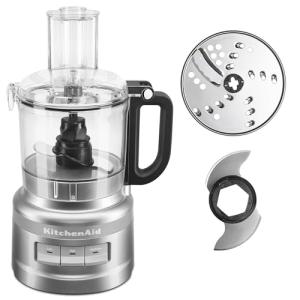
Modern food processors come with a work bowl that sits on a motorised base, a central drive shaft, and a collection of blades and discs that you swap in depending on the task. The S-shaped metal blade — often called the multipurpose or chopping blade — is what most people reach for most of the time. It chops, minces, purees, and mixes. The disc attachments are the ones that shred cheese, slice vegetables paper-thin, or grate carrots into delicate wisps in a matter of seconds.
What separates a food processor from a blender is control and texture. A blender likes liquid. It wants to create a smooth vortex, and it does that brilliantly when you're making a smoothie or a soup. A food processor is more versatile. It handles dry and semi-dry ingredients with confidence, gives you control over texture (chunky salsa vs. smooth paste — it's just a matter of how long you run it), and can work with foods that would clog or break a standard blender.
The Different Types of Food Processors
Not all food processors are built the same, and the type you choose should match how you actually cook.
Full-Size Food Processors
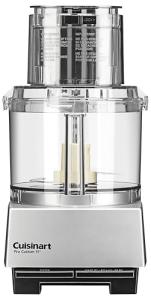
These are the workhorses — the models you see on kitchen counters in cooking shows and serious home kitchens. They typically have bowl capacities ranging from 9 to 16 cups, powerful motors, and come with a full set of attachments. If you cook for a family, batch-cook on weekends, or just cook a lot in general, a full-size food processor is the one you want. It handles everything from small tasks to large volumes without breaking a sweat.
The trade-off is size. Full-size models take up counter space and are heavier to lift. But for most people who are genuinely investing in a food processor, the capacity and power are worth it.
Compact and Mini Food Processors
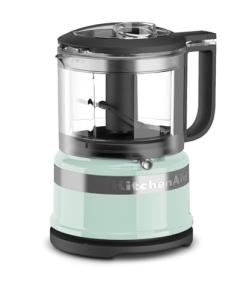
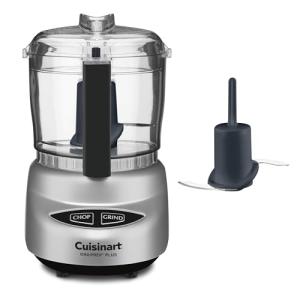
Mini food processors — usually 3 to 5 cup capacity — are the sensible choice for smaller households, smaller kitchens, or people who just want to handle quick prep tasks without pulling out a full machine. They're brilliant for mincing a couple of garlic cloves, pulsing fresh herbs, blending a small batch of sauce, or making a single portion of hummus.
They're genuinely useful, but they do have real limitations. Don't expect to shred half a block of cheese or slice a full head of cabbage in a mini model — it's not what they're designed for. Think of them as a fast, smart prep tool rather than an all-in-one solution.
Combination and Multi-Function Models
Some brands have introduced models that combine a food processor bowl with blender and sometimes even a spiralizer or juicer attachment — all on one motorised base. These are appealing in theory, and the best of them are genuinely useful. The caveat is that combination machines sometimes compromise on performance. A dedicated blender will usually outperform the blending function on a combo unit. Know what matters most to you before investing.
What Can a Food Processor Actually Do?
This is where things get exciting. The list is longer than most people realise.
Chopping and mincing — onions, garlic, herbs, nuts, chocolate. What would take you ten minutes with a knife takes about ten seconds in the bowl.
Slicing and shredding — with the right disc, you can slice cucumbers, potatoes, beetroot, and courgettes uniformly thin, or shred a block of mozzarella in under a minute.
Pureeing and blending — hummus, pesto, nut butters, baby food, vegetable soups, dips, spreads. The texture control is excellent.
Mixing pastry and dough — this is one of the food processor's underrated superpowers. Cold butter cut into flour for shortcrust pastry in seconds. Pizza dough, bread dough, cookie dough — many recipes are faster and more consistent in a food processor than by hand.
Grating — Parmesan, cheddar, carrots, courgettes. Fast, uniform, minimal mess.
Emulsifying — mayonnaise made from scratch takes about 90 seconds in a food processor. It's almost unfairly easy.
Grinding — some models will handle grinding oats into flour, or turning whole spices into a coarse powder if you don't have a dedicated spice grinder.
The honest answer to "what can a food processor do?" is: most of your prep work, significantly faster than you'd do it by hand.
Key Features to Look For
When you're comparing models, there are a few specs and features that genuinely matter.
Motor Power
Motor wattage is the headline spec on most food processor listings, and it does matter — but not in isolation. A more powerful motor handles tougher ingredients more easily and doesn't strain under load. For general home use, anything from 600W upwards is solid. For heavy tasks like bread dough or frequent use, 800W to 1,200W gives you more headroom. Very high wattage (above 1,500W) is more common in professional-grade or commercial machines.
Bowl Capacity
Bowl size is directly tied to how much you can process at once. Smaller than 7 cups and you'll find yourself working in batches more often than you'd like. 9 to 11 cups covers most household needs comfortably. If you regularly cook for six or more people or batch cook, consider a 12 to 14 cup model.
Blade and Disc Quality
The blades are where budget models often cut corners. Look for stainless steel blades that feel solid and substantial. The standard S-blade should be sharp and well-balanced. Check what disc attachments are included — at minimum, you want a shredding disc and a slicing disc. Better models include multiple slicing discs with variable thickness settings.
Feed Tube Design
The feed tube is the opening through which you add food while the machine is running. A wide-mouth feed tube means you can push a whole tomato, a full carrot, or a thick block of cheese through without pre-cutting. This matters more than people realise — a narrow feed tube means more prep work before the food processor even starts doing its job.
Ease of Cleaning
Every bowl, lid, blade, and disc that goes into the dishwasher makes your life easier. Some models have more parts than others. Some bowls are easier to rinse clean. Some blades have awkward nooks where food gets trapped. If you can, look at reviews that specifically mention cleaning — it's one of those practical details that affects how often you actually reach for the machine.
Pulse Function and Speed Settings
A good pulse function — where the machine runs only while you're pressing the button — gives you precise control over texture. Essential for things like pastry and salsa, where a second or two too long makes a real difference. Multiple speed settings (at least two, ideally three plus pulse) are more useful than a single on/off switch.
Stability and Noise
Food processors make noise. That's just the deal. But there's a difference between a machine that hums and one that rattles across your counter. Heavier models with rubber feet tend to stay put better. Some premium brands have invested in noise reduction engineering. If you have a small kitchen or a sleeping baby, it's worth noting this.
Top Brands Worth Knowing
The food processor market has a clear hierarchy, and a few names consistently come up when you talk to people who take their cooking seriously.
Magimix is widely considered the gold standard for build quality and longevity. Made in France, these machines are famously durable — people have Magimix processors that have outlasted multiple other appliances. They're not cheap, but the motors come with long warranties and the quality is genuine.
Cuisinart has been a reliable workhorse brand for decades, popular in North America and increasingly globally. Good motors, solid range of attachments, mid-to-premium pricing, and strong customer support.
KitchenAid makes food processors that share the same brand loyalty as their iconic stand mixers. Performance is solid and the design is distinctive, though some users find the lid mechanisms less intuitive than competitors.
Kenwood is well-established in the UK and Europe, offering good value at the mid-range and some high-performing premium models with extensive attachment ecosystems.
For budget options, brands like Ninja, Russell Hobbs, and Tefal offer usable machines that handle everyday tasks, though they may not have the longevity or motor power of the premium tier.
How to Match a Food Processor to Your Cooking Style
The best food processor isn't the most expensive one — it's the one that fits how you actually cook.
If you cook mostly for yourself or one other person and want something for quick prep tasks, a compact 5-cup model is genuinely sufficient and takes up far less space.
If you're a regular home cook feeding a family, making sauces and dips from scratch, baking bread, and doing significant prep on weekends, invest in a full-size model with at least 900W and a 10-cup bowl. You'll use it weekly and it'll pay for itself in time saved.
If you're passionate about baking — pastry, bread, tarts — prioritise a model with a strong motor and look specifically for reviews that mention dough-handling performance.
If you cook a lot of vegetables and do meal prep in volume, pay special attention to the disc attachments and feed tube width. The slicing and shredding functions will become your most-used features.
Caring for Your Food Processor
A food processor is an investment, and a little care goes a long way. Always check that the bowl and lid are locked before running the machine. Never fill the bowl past the maximum fill line — overfilling causes leaks and can strain the motor. Let the motor cool between extended uses if you're processing large batches.
When it comes to cleaning, don't let food dry on the blades — rinse them immediately after use. Most parts are dishwasher-safe, but the base unit should only ever be wiped clean with a damp cloth. Handle blades carefully; they are sharp by design.
Store attachments together, ideally in the bowl itself, so you're never hunting for the right disc when you need it.
A food processor won't make you a better cook. But it will make cooking less of a chore. It removes the tedious, repetitive prep that makes people reach for ready-made food out of sheer exhaustion. It makes homemade hummus, fresh pastry, and shredded salads genuinely quick to produce. And it lasts — a good machine bought today could still be working faithfully ten or fifteen years from now.
Take your time choosing. Think about your kitchen, your household size, and the kind of food you actually make. Then buy the best machine in that category you can afford. You won't regret it.