A Brief History: From Alpine Farmhouses to Your Dinner Table
Fondue's story begins in the Swiss Alps, where necessity drove creativity. During the long, harsh winters of the 18th century, farm families relied on what they had stored — aged cheeses and wine. By melting the two together over a fire, they created something warming, filling, and surprisingly delicious. The earliest written record of anything resembling modern cheese fondue dates back to a 1699 cookbook from Zürich, describing how to cook cheese with wine and dip bread into it.
For centuries, fondue remained a regional, practical dish. It wasn't until the 1930s that the Swiss Cheese Union began actively promoting it as Switzerland's national dish — partly as a clever way to boost cheese consumption across the country. The campaign worked so well that fondue kits were literally sent to military regiments and event organizers to spread the tradition. By the time fondue appeared at the Swiss Pavilion at the 1964 New York World's Fair, it had captured American hearts too, becoming a kitchen staple through the 1970s.
Today, fondue has comfortably reclaimed its place in modern kitchens — not as a nostalgic novelty, but as a genuinely fun, versatile, and sociable way to cook and eat together.
The Four Main Types of Fondue
Not all fondue is the same, and understanding the differences helps you choose the right equipment from the start.
Cheese Fondue is the classic. It typically combines melted cheeses — Gruyère and Emmental are the traditional Swiss choices — with dry white wine, a splash of kirsch, and a little cornstarch to keep everything smooth and stable. The result is a rich, fragrant pot of melted goodness perfect for dipping chunks of crusty bread, boiled potatoes, blanched vegetables, and pickles. Cheese fondue requires gentle, even heat to prevent scorching, which is why ceramic and cast iron pots are so well suited to it.
Meat Fondue (Fondue Bourguignonne) takes a different approach entirely. Here, small pieces of beef, chicken, pork, lamb, or seafood are cooked at the table in hot oil or simmering broth. It's a more interactive experience — guests cook their own food to their preferred doneness and dip it into various sauces and condiments. Meat fondue demands higher temperatures and deeper pots, along with longer forks for safety around hot oil.
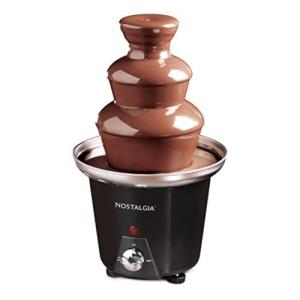
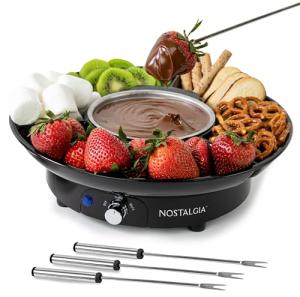
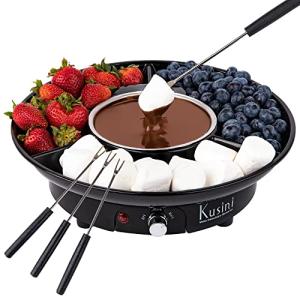
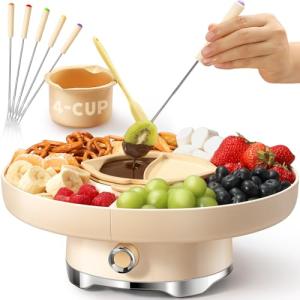
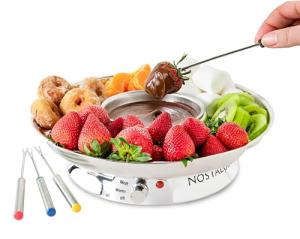
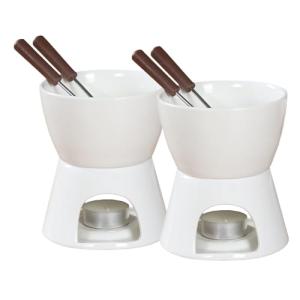
Chocolate Fondue is pure dessert magic. Melted dark, milk, or white chocolate (or a blend) becomes the vehicle for dipping strawberries, banana slices, marshmallows, pretzels, pound cake, and whatever else inspires you. Chocolate fondue needs only low, steady heat — too hot and the chocolate seizes or burns. Smaller pots and candle or tealight burners work beautifully here, making chocolate fondue sets ideal for intimate occasions.
Broth Fondue (Fondue Chinoise) is a lighter, health-conscious alternative to the oil version. Vegetables, thin slices of meat, noodles, and tofu simmer gently in a flavored broth right at the table. This style is more associated with East Asian hot pot traditions, but it overlaps nicely with fondue culture and uses similar equipment.
Choosing the Right Material
The pot material is one of the most important decisions you'll make, because it determines how heat behaves and what types of fondue the set can handle well.
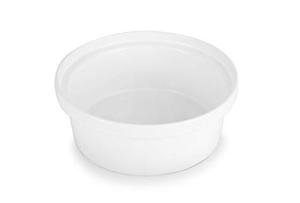
Ceramic is the traditional choice for cheese and chocolate fondues. It holds heat steadily and releases it gently, which is exactly what melted cheese needs to stay smooth rather than separating or burning. Ceramic pots tend to look beautiful on the table, often coming in earthy glazed finishes that feel both rustic and refined. The trade-off is fragility — ceramic cracks if dropped or exposed to sudden temperature changes, so it's not the best option for high-heat oil fondue.
Cast Iron is the most versatile material in the fondue world. It heats slowly but retains that heat exceptionally well, distributing it evenly across the entire surface. A cast iron pot can handle cheese, meat, and broth fondues without breaking a sweat. It's heavy, durable, and if well cared for, will outlast nearly anything else in your kitchen. Many of the most admired fondue sets from brands like Staub use enameled cast iron — you get all the performance benefits alongside a surface that's easy to clean and resistant to staining.
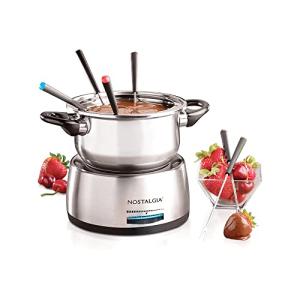
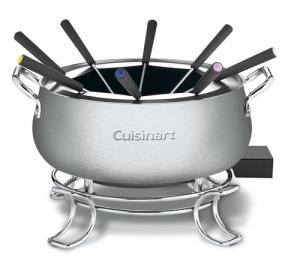
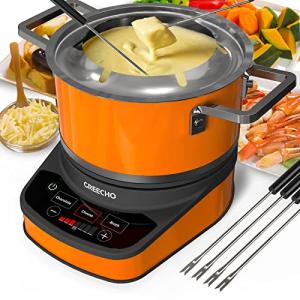
Stainless Steel is the go-to for electric fondue makers and practical everyday use. It heats quickly and evenly, cleans easily, and handles the full temperature range from gentle chocolate warming to high-heat oil cooking. Stainless steel sets are typically lighter than cast iron and often dishwasher safe, which is a genuine advantage when you're tidying up after a party.
Copper is mostly found in premium, traditional Swiss-style sets. It conducts heat beautifully and responds quickly to temperature changes, which is useful for cheese fondue where you want precise control. Copper sets tend to be striking in appearance — a real centerpiece for the table — but they're also more expensive and require a bit more care to maintain their finish.
Heat Sources: Traditional vs. Electric
Once you've settled on a material, the next consideration is how the pot gets its heat.
Traditional burners use gel fuel paste, denatured alcohol, or small cans of fuel — sometimes called réchaud burners. They create an authentic, warm ambiance that genuinely adds to the experience of fondue. The flickering flame under the pot feels right in a way that a digital dial simply doesn't. The downside is that temperature control is less precise, and you'll need to stock fuel. That said, traditional sets are completely portable and don't require an outlet, which makes them great for dining room tables and outdoor entertaining.
Candle and tealight burners are the gentlest option, and they're almost exclusively used for chocolate fondue. The low heat is just enough to keep melted chocolate at the right consistency without any risk of overheating. These sets are typically small, elegant, and perfect for couples or small groups.
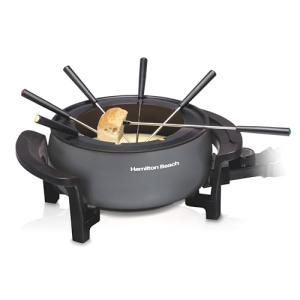
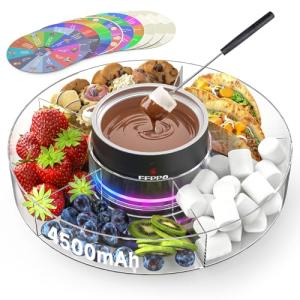
Electric fondue sets are the modern workhorse. They plug into the wall, heat up quickly, and — crucially — let you dial in a specific temperature. This makes them excellent for all fondue types, especially oil and broth fondue where consistent high heat matters. Electric sets are ideal for beginners because they remove much of the guesswork. Many come with nonstick interiors, dishwasher-safe parts, and helpful features like built-in fork racks that minimize drips. The main limitation is the cord, which can be a little awkward depending on your table setup.
Size and Serving Capacity
Fondue sets come in a surprisingly wide range of sizes, and getting this right matters more than most people expect.
Small sets — typically holding around 0.5 to 1 quart — are perfect for two to four people, particularly for chocolate or cheese fondue. They're compact enough for everyday use and easy to store. At the other end, full-size sets holding 2 to 3 quarts can comfortably serve six to eight guests around the table, making them ideal for dinner parties and holiday gatherings.
One useful detail: the number of fondue forks included in the set is often a better indicator of serving capacity than the pot size alone. Most sets come with six color-coded forks — the color coding being a simple but clever way for each person to track which fork is theirs. If you entertain larger groups regularly, look for sets that allow you to purchase additional forks separately, or consider a set that includes eight.
What to Look for in a Complete Fondue Set
A well-designed fondue set is more than just the pot. Here's what the whole package should include and what to pay attention to:
The pot should have handles that stay cool to the touch and sit stably on the stand. If you're buying ceramic or cast iron, check that the walls are thick — thin walls lead to uneven heating and scorching.
The stand and burner need to be genuinely stable. A wobbly stand with a hot pot of oil on top is a safety hazard. Heavier, wider bases are safer, and some stands include a safety ring that holds the pot in place.
The forks should be long enough to keep fingers well away from the heat source. Color coding is a small detail that makes a big difference at a crowded table. Metal forks conduct heat, so always look for handles made from wood, bamboo, or heat-resistant plastic.
A splash guard or lid is a valuable addition for meat and oil fondues, keeping hot spatters contained on the table rather than on your guests.
Cleanup is often the last thing people think about before they buy. If easy maintenance matters to you — and after a party, it usually does — look for sets with dishwasher-safe pots, nonstick interiors, and removable burner trays. Some high-quality cast iron and stainless steel sets are remarkably easy to clean with just a brief soak.
Fondue as a Gift
Few kitchen items make as universally appreciated a gift as a fondue set. It signals something thoughtful — not just a practical tool, but an invitation to create shared experiences. Fondue sets are perennially popular as wedding and engagement gifts, housewarming presents, and holiday gifts for people who love to entertain. A beautiful cast iron or ceramic set comes with an implicit promise: gather your people, pour the wine, and make an evening of it.
If you're buying as a gift and aren't sure of the recipient's cooking habits, a mid-size electric set in stainless steel is a reliably safe choice — versatile enough for cheese, chocolate, and broth, simple to use, and easy to clean. For someone more experienced or style-conscious, a handsome enameled cast iron set or a traditional copper caquelon makes a more distinctive and lasting impression.
Modern Fondue: Where Tradition Meets Today's Kitchen
The fondue category has evolved considerably beyond its Swiss origins. Today's market includes Bluetooth-enabled electric sets with app-controlled temperature settings, eco-friendly designs using recycled materials and bamboo accessories, and multi-functional sets that double as hot pots, broth warmers, and even tabletop grills. There are compact sets designed for single servings and individual ceramic fondue mugs heated by a single tealight — perfect for a quiet night in with a little melted chocolate and a plate of fruit.
What hasn't changed is the underlying appeal. Fondue slows the meal down. It puts the pot in the center of the table — literally the center of conversation. Guests lean in, forks outstretched, laughing about who just lost their bread in the cheese. It is, as the old Swiss marketing slogan once promised, genuinely good for the mood.
Whether you're buying your first fondue set or upgrading to something more serious, the right choice comes down to how you plan to use it, how many people you typically cook for, and whether you value versatility or simplicity. Once you've found that match, the rest is easy: melt something delicious, gather the people you like, and dip.