Browse our selection of electric woks below to find the right fit for your kitchen, your cooking style, and your budget.
Electric Woks
Product List
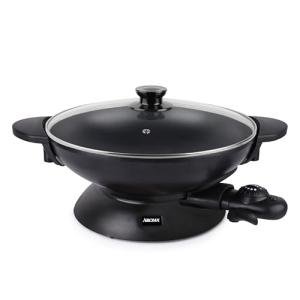
Aroma Housewares AEW-307 Electric Wok, 5 Qt,...
Product Review Score
4.24 out of 5 stars
227 reviews$79.99 $72.44
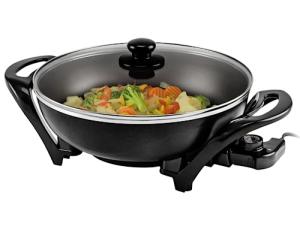
OVENTE Electric Wok with Nonstick Coating, 13...
Product Review Score
4.44 out of 5 stars
114 reviews$39.99
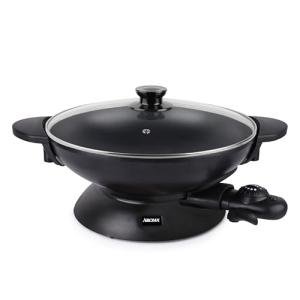
Aroma Housewares AEW-306 Electric Wok with Te...
Product Review Score
4.38 out of 5 stars
48 reviews$72.44
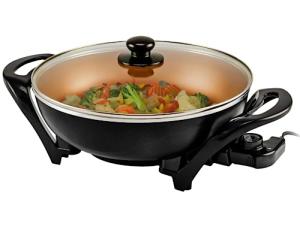
OVENTE Electric Wok with Nonstick Coating, 13...
Product Review Score
4.42 out of 5 stars
175 reviews$40.99 $38.98
What Is an Electric Wok?
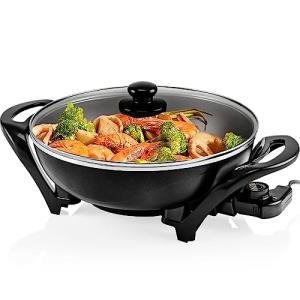
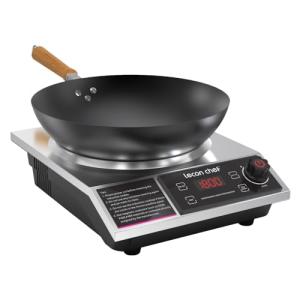
An electric wok is essentially a traditional wok fused with a built-in heating element and a standalone base. Instead of sitting on a stovetop burner, it plugs into a standard wall outlet and heats itself. This means it works anywhere you have access to electricity — on your kitchen counter, at the dining table, in a dorm room, even at a campsite.
The concept has been around since the mid-1980s, when it was first introduced to the Western market as a convenient alternative to stovetop wok cooking. It solves a real problem: standard round-bottomed woks are notoriously difficult to use on flat electric cooktops because they don't make good contact with the heating surface. An electric wok sidesteps this issue entirely by being its own heat source.
Inside, most electric woks use a resistive heating coil embedded in the base. When you plug it in and dial up the temperature, electrical current passes through that coil and generates heat, which transfers directly into the cooking vessel. The result is fast, controllable, and consistent heat — the three things that matter most in wok cooking.
Why Choose an Electric Wok Over a Stovetop Model?
This is the first question most people ask, and it's a fair one. Traditional woks have a devoted following, and for good reason. But electric woks have some distinct advantages that make them the smarter choice for many home cooks.
Portability is probably the biggest selling point. An electric wok can go wherever you go. Want to do a tableside stir-fry at a dinner party? No problem. Need to cook in a kitchen with no gas range? Done. Living somewhere without a full stove? An electric wok can handle an entire meal on its own.
Precise temperature control is another major advantage. Most electric woks come with a dial or digital control that lets you set the temperature to a specific number rather than guessing at "medium-high." This makes it much easier to nail dishes that require careful heat management, like a delicate egg fried rice or a sauce-heavy braised dish.
Even heat distribution is something electric woks handle well, particularly models with a wide, flat-bottomed cooking surface. Because the heating element is built directly into or under the pan, heat is applied uniformly rather than concentrated at a single point beneath the wok.
Convenience for non-gas kitchens is a practical reality for millions of households. If your home has an electric or induction cooktop, using a round-bottomed wok is genuinely difficult. An electric wok eliminates the compromise.
Key Features to Look For
Not all electric woks are created equal. Once you start shopping, you'll notice a wide range of features, materials, and price points. Here's what actually matters.
Wattage and Heat Output
This is the single most important spec to check. Wattage determines how hot your electric wok can get and how quickly it gets there. For genuine stir-fry performance — the kind where vegetables char slightly at the edges and meat gets a proper sear — you want at least 1,400 watts. Models in the 1,400 to 1,800 watt range are the sweet spot for home use. Anything below 1,200 watts will struggle to maintain high temperatures, especially when you add a full load of cold ingredients to the pan.
Material
Electric woks come in a few common materials, each with its own trade-offs.
Nonstick aluminum is the most common option in the budget-to-mid-range category. It heats quickly, is easy to clean, and requires no seasoning. The downside is that the nonstick coating can scratch and degrade over time, particularly if you use metal utensils. These woks are great for beginners and anyone who prioritizes easy cleanup.
Carbon steel is the traditional material for woks, and electric versions in carbon steel tend to deliver more authentic cooking results. Carbon steel conducts heat well, gets genuinely hot, and develops a natural nonstick patina over time through seasoning. It requires a bit more maintenance than coated nonstick, but many cooks consider the cooking performance well worth it.
Stainless steel models are durable and resistant to scratches and rust. They don't have a nonstick coating, so food can stick if you're not careful with oil and temperature, but they're virtually indestructible with normal use and often dishwasher safe.
Removable Cooking Vessel
Many electric woks separate the cooking bowl from the electrical base, which is a significant practical advantage. A removable vessel can be washed in the sink or even in the dishwasher, while the base stays dry. Woks where the heating element is permanently integrated into the body are trickier to clean and require more care around water.
Temperature Range and Control
Look for a model that offers a wide temperature range, ideally from a low simmer (around 200°F / 93°C) up to a high sear setting (around 400°F / 204°C or higher). Some electric woks offer a simple dial with numbered settings, while others have digital displays with precise degree-by-degree control. Either can work well — the key is having enough range to go from keeping a sauce warm all the way up to a proper high-heat stir-fry.
Size and Capacity
For most households cooking two to four portions at a time, a wok in the 12 to 14 inch diameter range is ideal. It's big enough to toss ingredients freely without spilling, and small enough to heat up efficiently. Larger woks — 16 inches and above — are available and better suited to batch cooking or large families, but they take longer to reach temperature and require more counter space. Capacity is typically listed in quarts; a 5- to 6-quart capacity is a practical size for everyday cooking.
Lid
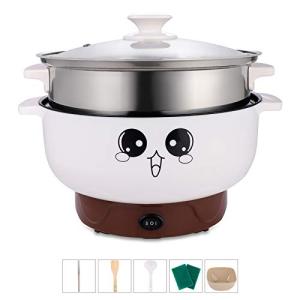
Many electric woks come with a domed lid, and it's worth checking whether this is included or sold separately. A lid is essential for steaming, braising, and keeping heat in during longer cooking processes. Glass lids are particularly useful because they let you monitor cooking without lifting the lid and losing steam.
What Can You Actually Cook in an Electric Wok?
More than you might expect. The wok's shape — steep sides, concentrated heat at the base — makes it ideal for several different cooking techniques.
Stir-frying is the obvious one. The high heat and curved sides let you toss and move ingredients constantly, which is what gives a proper stir-fry its characteristic texture and flavor. Chicken, beef, shrimp, vegetables, noodles — all of it works beautifully.
Deep frying is surprisingly effective in an electric wok. The depth of the bowl means you need less oil than a flat-bottomed pot, and the wide opening makes it easy to lower and remove food. Temperature control is particularly important for frying, and a good electric wok handles this well.
Steaming works when you use the domed lid and add a steaming rack or basket. Dumplings, fish, vegetables — anything you'd normally steam on a stovetop can be done in an electric wok.
Braising and simmering are equally at home in a wok. The large surface area means liquid reduces efficiently, and the wide base helps develop flavor through browning before the liquid goes in.
Boiling is straightforward and faster than you might expect given the wok's shape. Noodles, blanching vegetables, preparing soups — all perfectly achievable.
Cleaning and Maintenance
How you clean your electric wok depends heavily on the material and construction.
For nonstick models, the golden rule is to avoid abrasive sponges and harsh scrubbing pads, which damage the coating. A soft cloth or sponge with mild dish soap is all you need. If food is stuck, soak in warm water for a few minutes before cleaning — no scrubbing required. If the cooking vessel is removable, check whether it's dishwasher safe; many are.
For carbon steel models, the maintenance is more hands-on. Avoid soap where possible, as it strips the seasoning. Instead, rinse with hot water, wipe clean, and apply a very thin layer of oil before storing. This builds up the natural nonstick surface over time. A well-seasoned carbon steel wok becomes genuinely slippery and practically maintenance-free once it's properly broken in.
For stainless steel models, you have the most freedom. Soap, hot water, even the dishwasher — stainless can handle it all. Just make sure to dry it thoroughly to prevent water spots.
Regardless of material, always let your electric wok cool down completely before cleaning. Running cold water over a hot cooking surface can warp the metal, which is difficult to reverse.
How Much Should You Spend?
Electric woks span a surprisingly wide price range. Here's a rough breakdown.
Under $50 gets you a functional nonstick wok that works well for everyday stir-frying, though you may sacrifice some heat output and long-term durability. These are good starter options if you're not sure how much use you'll get out of one.
$50 to $100 is where most of the best value sits. In this range you'll find woks with solid wattage, better temperature control, removable vessels, and more durable materials. Many experienced home cooks are perfectly happy in this tier.
$100 and above opens up premium options with higher wattage, better build quality, and features like induction heating, precise digital temperature control, and commercial-grade materials. If you cook frequently and demand restaurant-quality results, the investment pays off.
One worth repeating: resist the temptation to buy cheap. A thin, underpowered wok that heats unevenly and warps after a few months is not a bargain — it's a frustration. A well-made wok bought once will outlast several cheap replacements.
Who Is an Electric Wok Best For?
An electric wok is a genuinely excellent choice for:
- Anyone without a gas stove who loves Asian-inspired cooking
- Students and renters with limited kitchen setups
- People who want to cook at the table — great for entertaining
- Families who need a high-capacity, versatile cooking vessel
- Anyone who wants precise temperature control without fussing over burner knobs
It's less necessary if you already have a powerful gas range and a good stovetop wok — in that case, a traditional carbon steel wok might serve you better. But for the majority of home kitchens, especially those with electric or ceramic cooktops, an electric wok is not a compromise. It's a genuinely capable kitchen tool that earns its counter space.
The electric wok has come a long way since it first appeared in American kitchens in the 1980s. Today's models are powerful, well-designed, and capable of producing results that would surprise anyone who thinks "electric" means "second-best." With the right wattage, a good material choice, and a bit of practice, an electric wok can absolutely transform the way you cook weeknight dinners, weekend feasts, and everything in between.