Coffee machines are a game-changer for your morning routine. Whether you need a quick cup on the go or want to brew the perfect pot for weekend brunch, there's a machine that fits your needs. Explore our selection and find the perfect coffee maker to kickstart your day!
Coffee Machines
Discover the perfect brew for your mornings with our top-rated coffee machines
Product List
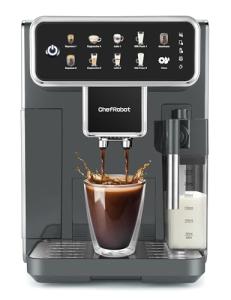
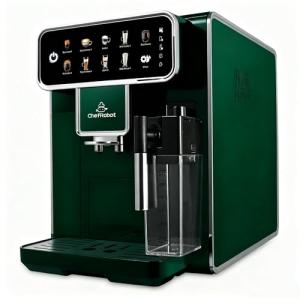
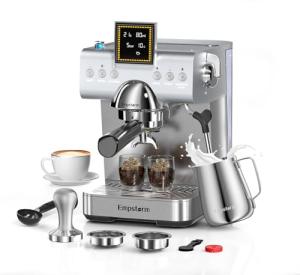
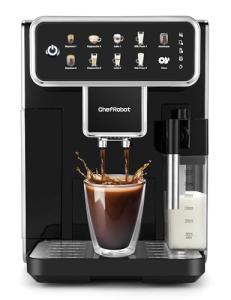
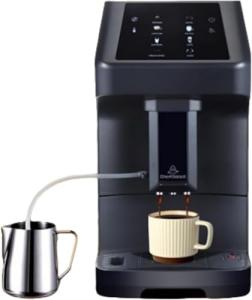
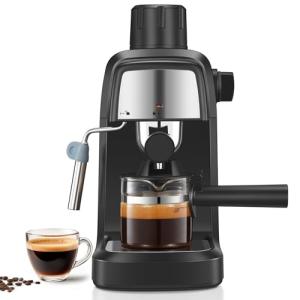
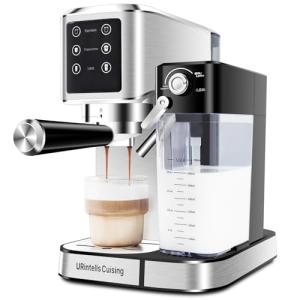
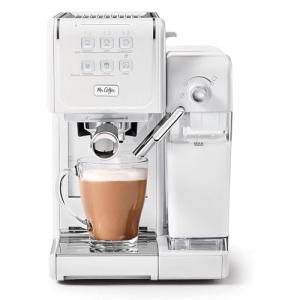
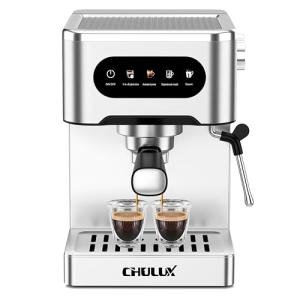
Touchscreen Espresso Machine with Frother
Product Review Score
4.6 out of 5 stars
223 reviews$109.99
Why Your Coffee Machine Matters More Than You Think
Most people assume great coffee starts with great beans. And yes, beans matter enormously. But even the finest single-origin Ethiopian Yirgacheffe will fall flat if it's brewed at the wrong temperature, under the wrong pressure, or through a machine that can't maintain consistency. Your coffee machine is the instrument — beans are just the sheet music.
A good machine extracts the right compounds at the right rate. It respects the grind size, the water temperature (ideally between 90–96°C), and the brew time. A cheap or poorly calibrated machine guesses at these things. A great machine controls them.
That's why investing time in understanding your options pays off every single morning for years to come.
The Main Types of Coffee Machines
Espresso Machines
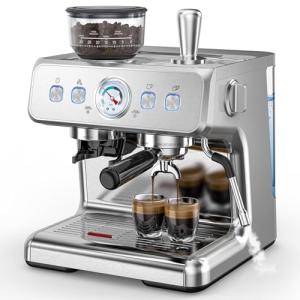
Espresso machines are the workhorses of the coffee world. They force hot pressurised water — typically at 9 bars — through finely-ground coffee to produce a concentrated, rich shot topped with a golden crema. Everything from a flat white to a cappuccino to an Americano starts here.
Manual espresso machines (also called lever machines) put complete control in your hands. You manually pull a lever to generate pressure, which means your technique directly determines the quality of the shot. They're beautiful, tactile, and deeply satisfying to use — but they require practice and patience. If you love the ritual of coffee as much as the drink itself, a manual machine rewards that dedication.
Semi-automatic espresso machines are the most popular choice among home enthusiasts. You grind, dose, and tamp the coffee yourself, then activate the pump with a button. You control the shot duration. This gives you creative freedom while letting the machine handle pressure. Brands like Breville, De'Longhi, and Rancilio dominate this space, offering excellent entry-level through professional-grade options.
Fully automatic espresso machines automate the entire process — from grinding to tamping to extraction — with a single button press. Consistency is their superpower. They're ideal for households where multiple people drink different coffees and nobody wants to become a barista. The trade-off is some loss of control and, usually, a higher price tag.
Super-automatic machines take this further still, integrating milk frothing systems that can produce lattes, cappuccinos, and macchiatos at the push of a button. If speed and convenience are your priorities — say, a busy household or a small office — super-automatics are genuinely impressive pieces of engineering.
Drip Coffee Machines
Drip machines are the classic, the default, the workhorse of kitchens worldwide. Hot water drips through ground coffee held in a filter basket, and brewed coffee collects in a carafe below. Simple, reliable, and capable of producing large quantities with minimal effort.
Modern drip machines have come a long way from the basic models of the 1980s. Today's higher-end drip brewers — think Technivorm Moccamaster or Breville Precision Brewer — are SCA (Specialty Coffee Association) certified, meaning they hit the precise water temperature and bloom the coffee grounds properly for optimal extraction.
If you regularly brew for several people, prefer a relaxed morning routine, or simply want good coffee without complexity, a quality drip machine is hard to beat. They're also typically easy to clean and maintain.
Pod and Capsule Machines
Nespresso, Dolce Gusto, Keurig — pod machines have transformed how millions of people drink coffee at home. You insert a pre-portioned capsule, press a button, and within 30 seconds you have a coffee. The consistency is remarkable because every variable has already been controlled for you.
The appeal is obvious: zero mess, zero guesswork, minimal clean-up. For people who want decent espresso-style drinks quickly and don't want to think about it, capsule machines are a legitimate and popular choice.
The main criticisms are fair, though. The cost per cup is significantly higher than brewing with loose coffee. The flavour ceiling is lower — you're constrained to what the manufacturer offers. And the environmental footprint of single-use capsules, even the now-common recyclable versions, is a genuine concern for many buyers.
Some manufacturers have responded with biodegradable capsules or refillable pod systems that let you use your own coffee, giving you a bit more control while keeping the convenience.
French Press and Pour-Over (Non-Electric Brewers)
While not machines in the traditional sense, French presses and pour-over setups deserve mention here because many coffee lovers use them alongside electric machines or as their primary brewing method.
A French press steeps coarse-ground coffee in hot water for several minutes before pressing a mesh plunger through the liquid to separate grounds. The result is a rich, full-bodied cup with more oils and texture than filtered methods. No electricity needed. No filters to buy. Just coffee, water, and time.
Pour-over brewing — using a V60, Chemex, or similar dripper — involves manually pouring hot water over coffee grounds in a filter. It's a slow, meditative process that produces a clean, nuanced cup. Serious coffee enthusiasts often prefer it because it highlights subtle flavour notes that machines can obscure.
Key Features to Look For
Pressure and Temperature Control
For espresso machines, pressure stability matters enormously. Look for machines with a PID (Proportional-Integral-Derivative) controller — this technology regulates the boiler temperature with precision, preventing temperature fluctuations that can ruin a shot. Without it, the temperature can swing by several degrees between shots, leading to inconsistent extraction.
Pressure should sit consistently at 9 bars during extraction. Some machines allow you to adjust this, which is useful for brewing certain light roasts that benefit from lower pressure profiles.
Grinder Integration
The single biggest upgrade most coffee drinkers can make is grinding fresh. Pre-ground coffee goes stale within 15–20 minutes of grinding. Many higher-end machines include a built-in grinder, typically with multiple grind settings to dial in extraction.
If you're buying a machine without an integrated grinder, invest in a decent standalone burr grinder. Blade grinders chop unevenly; burr grinders grind uniformly, which is essential for consistent extraction.
Milk Frothing
If you drink milk-based coffees, pay attention to the steam wand or integrated milk system. A good steam wand lets you texture milk into that glossy, microfoamed consistency you get at a specialty café. It takes practice, but the results are worth it. Automatic milk frothing systems are more convenient but often produce froth that's more bubbly than silky — serviceable, but not quite café-level.
Build Quality and Materials
Stainless steel internals, brass boilers, and heavy portafilters are signs of machines built to last. Plastic-heavy construction isn't necessarily bad at lower price points, but for anything you plan to use daily for years, material quality matters. It affects heat retention, durability, and the overall feel of the machine on your counter.
Ease of Cleaning
Coffee machines need regular cleaning to prevent rancid oil build-up and mineral scale from ruining both your coffee and your machine. Look for machines with removable drip trays, accessible brew groups, and ideally some form of automatic descaling or cleaning cycle. The easier the maintenance, the more likely you are to actually do it.
Choosing the Right Machine for Your Lifestyle
For the Espresso Enthusiast
If you're serious about espresso — if you read about extraction ratios and watch YouTube videos about puck prep — go semi-automatic with a separate burr grinder. You want control. Look at machines like the Breville Barista Express (which includes a grinder), the Rancilio Silvia, or the ECM Classika. These machines reward skill and let you keep improving.
For the Busy Household
A super-automatic or high-quality capsule machine makes more sense here. Consistency and speed matter more than fine-tuning. Brands like Jura, De'Longhi Magnifica, and Nespresso Vertuo offer excellent options at various price points.
For the Filter Coffee Lover
A Technivorm Moccamaster or a Breville Precision Brewer will produce some of the best drip coffee you've ever had at home. Pair either with a good grinder and you'll rival most café drip offerings. These machines are also built incredibly well — many Moccamasters last 10–15 years with basic maintenance.
For the Minimalist
A French press, an AeroPress, or a simple Bialetti stovetop moka pot might suit you perfectly. None of these require electricity, all are inexpensive, and each produces genuinely excellent coffee in its own way. If counter space is tight or you travel frequently, these non-electric options deserve serious consideration.
What to Budget
Coffee machines span an enormous price range, from under $30 for a basic drip brewer to $3,000+ for a prosumer espresso setup. As a rough guide:
- $30–$100: Basic drip machines, entry-level pod machines, French presses, AeroPresses
- $100–$300: Mid-range drip machines, entry espresso machines, quality capsule systems
- $300–$700: Solid semi-automatic espresso machines, good automatic machines, SCA-certified drip brewers
- $700–$1,500: Serious home espresso setups, premium super-automatics, high-end dual-boiler machines
- $1,500+: Prosumer territory — machines that approach commercial quality in a domestic body
It's worth spending a little more than your initial instinct suggests. A machine you use twice daily for five years costs very little per cup, even at a higher upfront price. Buying cheap and replacing in two years often costs more overall.
The best coffee machine is the one that fits your actual life — your mornings, your patience level, your taste preferences, and yes, your budget. There's no universally correct answer. A $2,000 espresso setup will underperform a $150 capsule machine if its owner never learned to use it properly or finds the process stressful.
Think about the kind of coffee you actually drink most days. Think about how much time you want to spend making it. Think about whether the ritual of brewing is something you enjoy or something you'd rather skip. Then use those answers to guide your choice.
Whatever you land on, a well-chosen coffee machine isn't just an appliance — it's a small but genuine daily pleasure. And those are worth getting right.