What Are Casseroles & Bakers, Exactly?
At their core, casseroles and bakers are oven-safe vessels designed to cook food low and slow — or hot and fast — and then go straight from the oven to the table. They're the workhorses of the kitchen, equally at home with a creamy mac and cheese, a slow-braised lamb shoulder, a fruit cobbler, or a layered vegetable gratin. The term "baker" refers broadly to any deep, handled dish meant for the oven, while "casserole" typically describes a deeper vessel — often with a lid — that suits long, covered cooking.
What makes this category special is its versatility. A single good casserole dish can handle the oven, move to the fridge for leftovers, and sometimes even go straight onto the stovetop or under the broiler. Some pieces transition seamlessly from freezer to oven. Others go from oven to dishwasher without a second thought. The best ones do all of this while looking beautiful enough to serve from directly — because nobody wants to dirty an extra platter.
Materials: Choosing What Works for You
This is where most people pause, and honestly, it's worth thinking about. The material your casserole or baker is made from affects everything — how evenly it cooks, how heavy it is to lift, how it looks on the table, and how you'll clean it up afterwards.
Ceramic and Stoneware
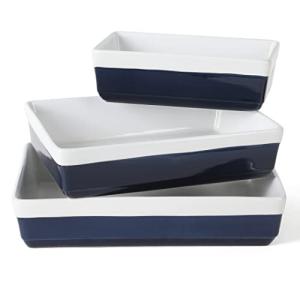
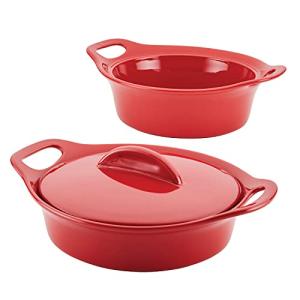
Ceramic and stoneware bakers are probably the most popular choice for everyday home cooking, and it's easy to see why. They heat gradually and evenly, which means your food cooks gently without harsh hot spots. They hold heat beautifully, so your dish stays warm at the table long after it leaves the oven. And they come in an enormous range of colors and glazes, making them genuinely attractive serving pieces — no need to hide them in the kitchen.
Stoneware is denser and less porous than standard ceramic, which makes it more resistant to absorbing stains and odors over time. Both materials are generally safe in the oven, microwave, dishwasher, and refrigerator, though it's always worth checking the manufacturer's limits. The main trade-off is weight — a large stoneware casserole loaded with a braised chicken can get hefty. Good, sturdy handles matter a lot here.
Glass
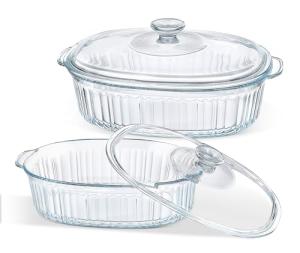
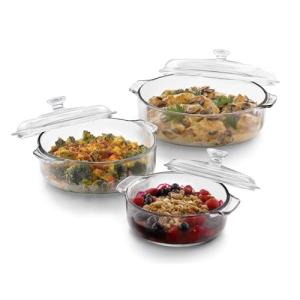
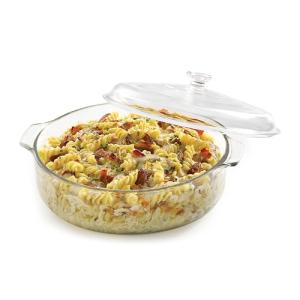
Glass bakers have been a kitchen staple for generations, and for good reason. They're transparent, so you can actually watch your food cook — helpful when you're checking whether the edges of a lasagna are bubbling or whether a cobbler needs another ten minutes. Glass retains heat well, making it excellent for dishes that benefit from staying warm after baking. It's also non-reactive, meaning it won't absorb flavors or interact with acidic ingredients like tomatoes.
One thing to keep in mind: glass doesn't conduct heat as efficiently as some other materials, so the edges of your dish can sometimes cook slightly faster than the center. A simple fix is to lower your oven temperature by about 25 degrees and give the dish a few extra minutes. Look for borosilicate glass options, which handle thermal shock — like going from fridge to oven — far better than standard glass.
Enameled Cast Iron
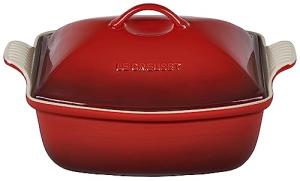
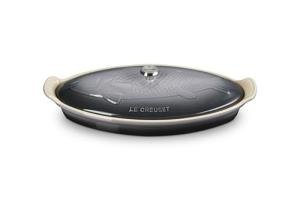
If you want the Ferrari of casserole dishes, enameled cast iron is it. These pieces are extraordinarily durable, distribute heat with remarkable evenness, and can go from stovetop to oven to table without skipping a beat. They're the only material in this category that lets you sear meat directly in the dish before adding liquid and sliding it into the oven — a huge advantage for braises and stews. The enamel coating means there's no seasoning required and the surface is non-reactive, unlike bare cast iron.
The downsides are weight and price. A quality enameled cast iron casserole is a proper investment, but one that will genuinely last a lifetime — and likely outlast you. Brands like Le Creuset and Lodge have built their reputations on exactly this kind of piece.
Porcelain
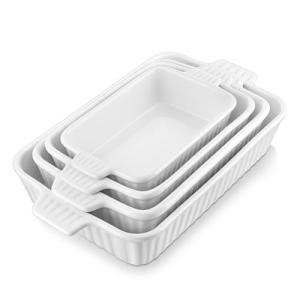
Porcelain sits in a sweet spot between glass and ceramic. It's fired at very high temperatures, making it exceptionally hard and chip-resistant. It's lightweight compared to stoneware, elegant in appearance, and works well in the oven, microwave, and dishwasher. Porcelain is a great choice if you want something that looks refined at the table without the weight of cast iron or heavy stoneware.
Shapes and Sizes: Matching the Dish to the Job
Rectangular Bakers (9x13 inch)
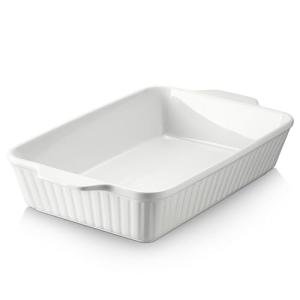
The 9x13 is the classic. It's the go-to size for lasagna, sheet-pan dinners, enchiladas, baked pasta, roasted vegetables, and a hundred desserts — brownies, cobblers, bread pudding, bar cookies. If you only own one casserole dish, this is the one. Most 9x13 bakers hold between 3 and 4.5 quarts, which is enough to feed six to eight people comfortably. Look for sturdy handles and a rimmed edge — they make a big difference when you're carrying something heavy and hot.
Oval Casseroles
Oval casseroles with lids are designed for slow, covered cooking. Their shape is ideal for roasting a whole chicken, braising a pork shoulder, or cooking a hearty stew. The lid traps moisture and circulates it back into the food, keeping everything tender and flavorful over a long cooking time. If you want to make pot roasts, braises, or coq au vin, an oval casserole is essential. These often come in enameled cast iron or ceramic with tight-fitting lids.
Square Bakers (8x8 or 9x9 inch)
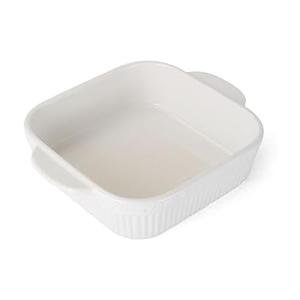
Perfect for smaller households or when you're making a single layer of something — an 8x8 is the right size for a batch of brownies, a small mac and cheese, a single-layer cake, or a baked side dish for four. Having both a 9x13 and an 8x8 or 9x9 covers most everyday situations.
Au Gratin Dishes and Shallow Bakers
These wide, shallow dishes with low sides are designed for dishes that need maximum surface area exposure — potato gratins, scalloped vegetables, roasted fish, and anything with a cheese or breadcrumb topping you want beautifully browned. The low walls allow heat to circulate freely over the top of the food, encouraging that gorgeous golden crust.
Ramekins and Individual Bakers
Small, individual bakers are endlessly useful. Use them for personal crème brûlées, soufflés, pot pies, mini gratins, baked eggs, or individual servings of mac and cheese. They're also handy for mise en place while cooking — holding prepped ingredients before they go into a larger dish. A set of ramekins, typically 4 to 8 ounces each, is one of those small investments that gets used constantly.
Deep Lasagna Pans
A deep lasagna pan is taller than a standard rectangular baker, giving you the room to build four or five proper layers without anything overflowing. If lasagna is a regular in your household — or if you cook for a crowd — the extra depth is genuinely worth having.
Features Worth Looking For
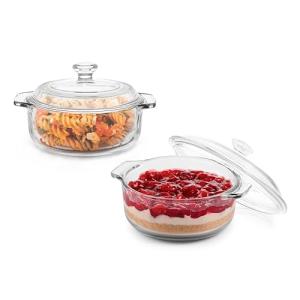
Lids. A well-fitted lid transforms a baker into a proper casserole vessel. It traps steam, keeps food moist during long cooking, and makes storage in the fridge straightforward. Some lids are glass, which lets you monitor cooking without releasing heat. Others are ceramic or cast iron, which seal more tightly and can be inverted for use as a shallow baking dish on their own.
Handles. Look for wide, confident handles — not decorative little nubs. When a dish is full, heavy, and hot, you want something you can actually grip with oven mitts on. Handles on all four sides of a rectangular baker are especially convenient.
Depth. Don't underestimate how much depth matters. A deeper dish prevents spatters and overflow, especially for dishes with bubbling sauces. At least 2 to 3 inches of depth is ideal for most casseroles.
Broiler compatibility. Not all casserole dishes can handle the intense direct heat of a broiler, but if you love finishing dishes with a bubbling, caramelized top — think French onion soup or gratins — make sure your dish is broiler-safe and check the maximum temperature it can handle.
Freezer to oven. Some materials handle the transition from freezer to oven better than others. Tempered glass and enameled cast iron generally handle thermal transitions well, while standard ceramic can crack if moved too quickly from cold to hot. Always check the manufacturer's guidance.
Caring for Your Casseroles and Bakers
Most modern casserole dishes are dishwasher-safe, which is genuinely convenient given how messy baked-on food can get. That said, hand washing tends to preserve glazes and finishes longer. For stubborn, baked-on residue, soak the dish in warm water with a little dish soap for twenty to thirty minutes before scrubbing — most stuck food will come away easily without any harsh scrubbing that might scratch the surface.
Avoid sudden temperature changes with glass and ceramic pieces — don't put a cold dish directly into a very hot oven without letting it come to room temperature first. Store lids separately or with a folded cloth between dish and lid to prevent chipping.
Enameled cast iron should never be scrubbed with steel wool or harsh abrasives, which can damage the enamel. A soft sponge and hot soapy water is all you need for most cleaning.
Building Your Collection
If you're starting from scratch, a 9x13 rectangular baker and a lidded oval casserole in a medium size (around 3.5 to 4 quarts) will cover the vast majority of what most people cook. Add an 8x8 square baker for smaller batches, and a set of four ramekins for individual portions and desserts.
From there, a shallow au gratin dish is a wonderful addition for gratins and roasted fish. A deep lasagna pan comes in handy if you cook for larger groups. And a premium enameled cast iron casserole, once you're ready to invest, is the kind of piece that earns a permanent place on your stovetop and becomes one of the most-used things in your kitchen.
The Takeaway
Casseroles and bakers are not glamorous in the way a sharp knife or a gleaming copper pan might be. But they're deeply useful, surprisingly versatile, and — when chosen well — genuinely beautiful objects that earn their place at the table. A good casserole dish feeds people. It brings food from the oven to the table with minimum fuss. It stores leftovers. It handles everything from weeknight dinners to holiday feasts. That's a lot of value from a single piece of kitchen equipment, and it's exactly why this category deserves careful attention when you're building out your kitchen.