What Is a Bread Machine and How Does It Work?
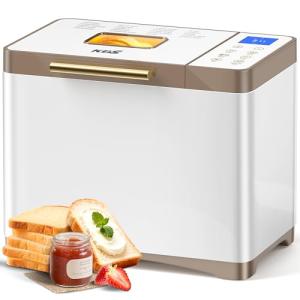
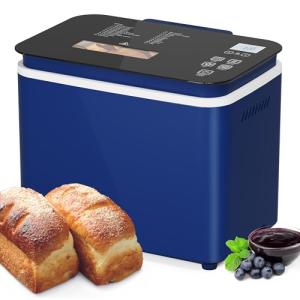
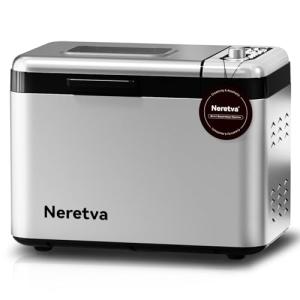
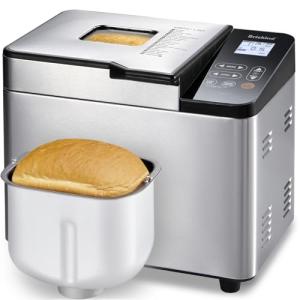
A bread machine is a countertop appliance that handles every stage of the bread-making process from start to finish. You add your ingredients to the baking pan, select a program, press start — and a few hours later, you have a fully baked loaf. The machine mixes the dough, kneads it, lets it rise (proof), and then bakes it, all inside the same pan without you lifting a finger.
It sounds almost too good to be true, but that's genuinely how it works. The kneading paddle at the bottom of the pan works the dough during the first stage. Then the machine switches to a warm, controlled environment to let the dough proof properly. Finally, the heating element kicks in and bakes the loaf to your preferred crust shade. Some machines even keep the bread warm after baking is done.
The whole process typically takes anywhere from two to four hours depending on the recipe and program selected. Many machines also have a delay-start timer, which means you can load the ingredients at night and wake up to freshly baked bread in the morning.
Why People Love Bread Machines
The appeal is pretty straightforward: homemade bread without the effort of homemade bread. Traditional bread-making requires hands-on time for kneading (often 10 minutes or more), careful attention to proofing conditions, and an oven that heats your entire kitchen. A bread machine takes all of that off your plate.
But there's more to it than just convenience. Many people turn to bread machines because they want control over what goes into their bread. Store-bought loaves often contain preservatives, added sugars, and stabilizers that you'd rather skip. When you bake at home, you choose every ingredient — whether that's high-quality flour, a specific type of yeast, added seeds, or specialty mix-ins.
For households managing dietary restrictions, bread machines are especially useful. Gluten-free products at grocery stores tend to be expensive and often disappointing in texture. Making your own gluten-free bread at home is significantly cheaper and allows you to adjust recipes to exactly the texture and flavor your family prefers.
Beyond bread, many machines are surprisingly versatile. Most offer a dough-only cycle, which is excellent if you want to knead pizza dough, focaccia, or dinner roll dough before shaping and baking it conventionally. Many models also have cake settings, jam settings, and even pasta dough programs. For anyone with a small kitchen, a bread machine can genuinely replace several other appliances.
Key Features to Look For
Loaf Size and Pan Shape
Bread machines typically produce loaves ranging from 1 pound up to 3 pounds. Before you buy, think honestly about how much bread your household actually eats. Freshly baked bread without preservatives is best consumed within about two days, so a 3-pound loaf is a lot to work through for a couple or a small family. A 1.5-pound capacity is a sweet spot for most households of two to four people.
Pan shape matters more than most buyers realize. Traditional vertical pans produce tall, square loaves that look a bit unusual — the slices don't fit neatly in a standard toaster. Horizontal pans produce more conventional-looking loaves with slices that actually fit in your toaster and are better suited for sandwiches. Premium machines like the Zojirushi Virtuoso Plus use a horizontal pan specifically for this reason, and it makes a noticeable difference in everyday usability.
Single Paddle vs. Dual Paddle
Most bread machines use a single kneading paddle, which generally does the job well for vertical pan designs. However, horizontal pans can present a challenge for a single paddle — flour tends to get left unmixed in the corners of the wider pan. Machines with dual paddles, like the Zojirushi Virtuoso Plus, solve this problem by providing more thorough kneading coverage across the full width of the pan.
If you're considering a horizontal-pan machine with only one paddle, keep a small rubber spatula nearby to scrape corners during the kneading phase. It's a small workaround, but worth knowing about ahead of time.
Heating System
Not all bread machines heat evenly, and this makes a real difference in the finished loaf. Some machines only heat from the bottom, which can lead to pale tops and uneven browning. Higher-end machines include both a bottom and a top heating element. The result is a loaf with consistent color on all sides — more like what you'd get from a real oven. When you're comparing models, check whether the machine uses dual heating elements if even browning matters to you.
Pre-Programmed Settings
Most machines come with a range of pre-programmed cycles: basic white bread, whole wheat, French bread, sweet bread, gluten-free, cake, dough-only, and jam are all common. More advanced machines include sourdough starter programs, multigrain cycles, and even specialty settings for regional recipes. Panasonic, for example, offers models with settings for brioche, mochi, and other Japanese-style baked goods.
That said, don't be swayed by a long list of programs alone. What matters most is whether the core cycles — basic white, whole wheat, and dough — perform well. A machine with 20 mediocre programs is less useful than one with 10 excellent ones.
Crust Color Settings
Being able to choose between light, medium, and dark crust is a standard feature on most modern bread machines, and it's one worth having. Preferences vary a lot from person to person, and having control over crust shade means you can dial in the exact result your household prefers.
Delay-Start Timer and Keep-Warm Function
A delay-start timer lets you load ingredients ahead of time and schedule baking so the loaf is ready when you want it. This is great for setting the machine overnight or before you leave for work. Note that recipes with perishable ingredients (eggs, dairy) aren't suitable for delayed starts.
The keep-warm function is convenient but use it judiciously. Leaving bread in the machine after baking can soften the crust and change the interior texture. For the best results, remove the loaf as soon as baking is complete and let it cool on a rack for at least 15 minutes before slicing.
Price Ranges: What You Get at Each Level
Budget Models ($50–$120)
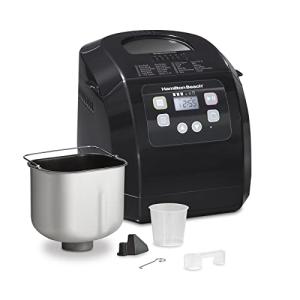
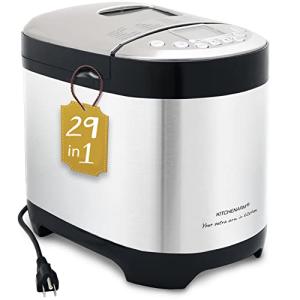
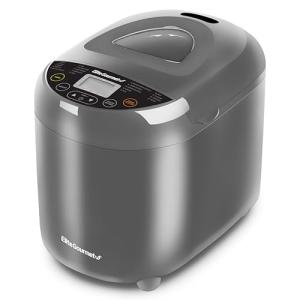
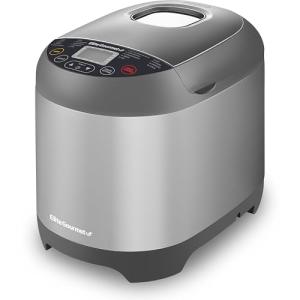
Entry-level machines from brands like Hamilton Beach, Cuisinart Compact, and various unbranded manufacturers will get the job done. They typically produce decent loaves, offer basic program selections, and are perfectly fine for someone who is just getting started and wants to test whether bread-baking fits their lifestyle. If you're unsure whether you'll actually use a bread machine regularly, starting at this price point is sensible.
Mid-Range Models ($120–$250)
This is where most serious home bakers land. Cuisinart's full-size bread machines, Breville's Custom Loaf, and similar models at this level offer a wider range of programs, better build quality, larger recipe booklets, and more consistent results. Breville's Custom Loaf stands out in this range for its collapsible kneading paddle (which collapses before baking, reducing the size of the hole left in the bottom of the loaf) and its ability to pause the cycle for shaping or glazing.
Premium Models ($300+)
The Zojirushi Home Bakery Virtuoso Plus is the most frequently recommended machine at this level, and for good reason. It uses dual heating elements for even browning, has two kneading paddles for thorough dough development, bakes a traditionally shaped horizontal loaf, and includes a wide range of programs. It's a large machine that takes up considerable counter space, but if you plan to bake bread regularly and want the best possible results from a machine, this is the one most serious bakers point to.
Practical Tips for Getting the Best Results
Use the right ingredients in the right order. Most bread machine recipes ask you to add liquids first, then dry ingredients, with yeast added last on top of the flour (not touching the liquids until mixing begins). Following this order matters more than it might seem.
Measure carefully. Bread is baking, and baking is chemistry. Even small variations in flour quantity can affect the rise and texture significantly. Use a kitchen scale when possible rather than volume measurements — it's more accurate.
Remove the kneading paddle before baking. Most machines beep after kneading is complete, which is your cue to reach in and pull the paddle out of the dough. This eliminates the hole in the bottom of the loaf. It takes about five seconds and makes a noticeable difference in presentation.
Cool before slicing. It's genuinely tempting to slice into a hot loaf immediately, but letting it cool for 15 to 20 minutes allows the internal steam to redistribute, leaving you with a moist crumb rather than a gummy, spongy interior.
Clean the pan by hand. Even if the pan is technically dishwasher-safe, hand-washing with warm water and mild soap is gentler on the nonstick coating. A well-maintained nonstick surface means your bread releases cleanly for years longer.
Common Bread Machine Mistakes to Avoid
Buying too large a loaf capacity. It's easy to assume bigger is better, but a 3-pound loaf that goes stale before you finish it is just wasted bread. Start with a 1.5-pound or 2-pound machine and scale up if you find you consistently want more.
Ignoring counter space requirements. Bread machines are bulkier than they look in product photos. Measure your available counter space before buying, and remember to account for the lid opening upward and some clearance around the sides for ventilation. Some machines also "walk" slightly during the kneading phase, so leave a little space in front.
Over-relying on the keep-warm cycle. The keep-warm function is a safety net, not a storage solution. Take the bread out promptly when baking ends.
Expecting gluten-free cycles to be perfect. Gluten-free dough is heavy and behaves very differently from wheat-based dough. While some machines handle it better than others, managing your expectations here is wise. Many dedicated gluten-free bakers prefer to use the machine only for mixing and then bake conventionally in the oven.
Top Brands Worth Knowing
Zojirushi is consistently the brand that experienced bakers recommend most often. Their machines are built to last, produce excellent results, and are particularly well-regarded for even baking and dough development.
Cuisinart offers reliable, well-priced machines that are ideal for everyday baking without a steep learning curve. Their recipe booklets are well-written and beginner-friendly.
Breville brings thoughtful engineering touches — like the collapsible paddle and the ability to pause and interact with the cycle — that more experienced bakers tend to appreciate.
Panasonic is excellent for those who want a wider variety of specialty programs, particularly for enriched doughs and Japanese-style breads.
Hamilton Beach is a solid choice at the budget end of the market, especially for households just getting started.
Is a Bread Machine Right for You?
If you love fresh bread, want more control over what goes into your food, or are looking for a way to make home baking more manageable on busy weekdays — yes, a bread machine is absolutely worth it. The learning curve is shallow, the reward is immediate, and once you've had a slice of warm, home-baked bread straight from your own kitchen, store-bought starts to feel like a poor substitute.
Choose a size that matches your household, invest a little more upfront for a machine with good heating and kneading performance, and don't overthink the program list. The basics done well will take you further than a machine with twenty mediocre settings. Browse the models in this category, read the specifications, and find the one that fits your kitchen and your life.