Why the Pan Actually Matters
A lot of bakers — especially beginners — assume that a pan is just a container. Pour in the dough, bake, done. But experienced home bakers and professional pastry chefs know better. The material, size, color, and shape of a loaf pan all influence the final result in very real ways.
Heat distribution is the big one. A pan that heats unevenly will give you bread that's overdone on the edges and underdone in the middle. A pan that's too dark absorbs more heat and can overbrown the crust before the interior has finished baking. A pan that's too shallow won't support the rise of the dough, leaving you with a flat, dense loaf instead of a beautiful dome.
Then there's the release issue. Anyone who's ever wrestled a banana bread out of a pan that wasn't properly prepared knows the frustration. The right pan — with the right surface treatment — makes that entire problem disappear.
When you shop for a bread or loaf pan, you're really shopping for consistent, repeatable results. And that comes down to understanding your options.
Materials: The Core Decision
Aluminized Steel and Aluminum
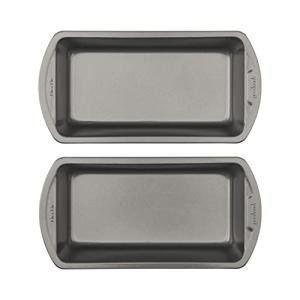
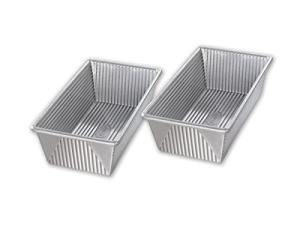
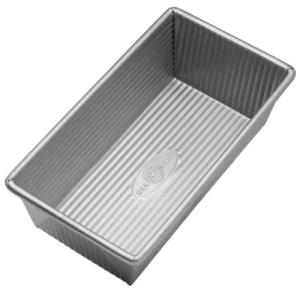
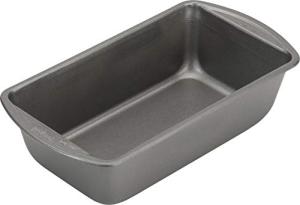
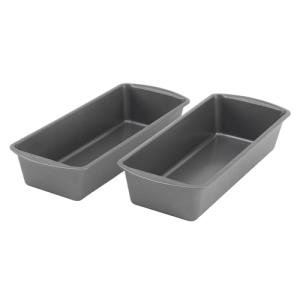
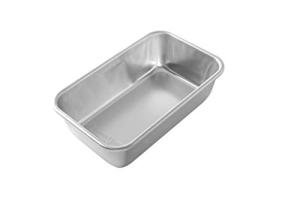
These are the workhorses of the baking world, and for good reason. Aluminum and aluminized steel conduct heat quickly and evenly, which is exactly what you want for yeast breads and sandwich loaves. The heat spreads across the entire pan surface in a predictable way, giving you a consistent bake from edge to edge. Loaves rise well, the crust develops properly, and you get that satisfying golden color across the bottom and sides.
Aluminum pans are also lightweight, affordable, and durable enough to last years with basic care. They're the default choice for most home bakers and nearly every commercial bakery, and there's a reason for that — they simply work.
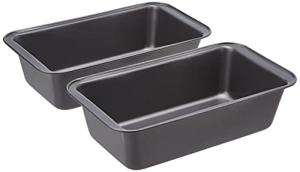
One thing to watch: lighter-colored aluminum pans absorb less heat than dark-coated ones. If your recipe calls for a crisp, deep crust, opt for a darker finish. If you're baking something delicate that you don't want to overbrown (like a pound cake or a light brioche), a lighter pan gives you more control.
Carbon Steel
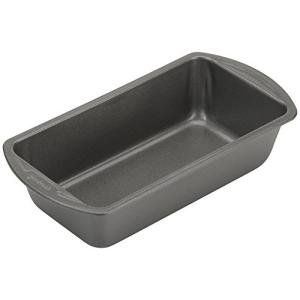
Carbon steel pans are a step up from standard aluminum for bakers who want durability and long-term performance. They're thicker, which means they resist warping even after years of heavy use and high oven temperatures. They heat up quickly, distribute that heat evenly, and produce excellent crust development.
Many carbon steel pans come with non-stick coatings — ideally ceramic or PTFE-free versions for those who prefer to avoid certain chemicals in their cookware. A well-coated carbon steel pan is genuinely a joy to use. Loaves pop out cleanly, cleanup is minimal, and the results are consistently good.
Cast Iron
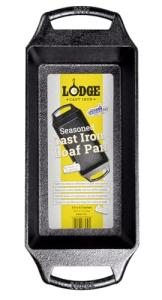
Cast iron is the material for bakers who want a thick, deeply colored crust and exceptional heat retention. Once a cast iron loaf pan gets hot, it stays hot — and that sustained, intense heat is perfect for artisan-style breads, sourdoughs, and anything where you want a chewy, crackly crust.
The trade-off is weight and maintenance. Cast iron pans are heavy, they require seasoning before first use, and they shouldn't be left to air-dry after washing. But for bakers who are serious about that rustic, bakery-quality crust, cast iron delivers results that other materials simply can't match.
Glass
Glass loaf pans have a loyal following, and for good reason. Because you can see through the sides of the pan, you get a real-time view of how your bread is browning — no guessing, no lifting the loaf to check the bottom. Glass also retains heat well, which means it keeps baking for a short time even after you pull it from the oven. That can be a helpful feature for certain breads where you want a gentle finish.
The downside of glass is that it heats up slowly and is more prone to uneven browning for high-sugar batters. It's best suited for savory loaves, meatloaf, and recipes where you're not chasing a perfectly golden, caramelized crust. For a classic white sandwich bread or a sweet banana bread, metal will typically outperform glass.
Ceramic
Ceramic pans are beautiful objects. They look great on the counter, they come in a range of colors and finishes, and they can go from oven to table without embarrassment. Like glass, ceramic is a slow conductor of heat — it takes its time warming up, but holds that heat steadily once it gets there.
This makes ceramic a good choice for dense, moist quick breads and anything baked at lower temperatures. However, it's less ideal for yeast breads where a strong initial burst of heat helps with oven spring. If aesthetics matter to you and you're not baking traditional sandwich loaves, a ceramic pan can be a fantastic addition to your kitchen.
Silicone
Silicone pans are probably the most misunderstood option in this category. Their non-stick properties are genuinely exceptional — you often don't need to grease or flour them at all — and they're flexible enough that you can pop a loaf out by simply bending the sides. Cleanup is a breeze.
The challenge with silicone is that it's a poor conductor of heat. Loaves baked in silicone tend to brown much less than those baked in metal or glass. If you're making a moist quick bread — something like a zucchini loaf or a lemon poppy seed cake — where crust color is less critical, silicone works beautifully. But for traditional sandwich breads or anything where crust development matters, you'll likely be disappointed with the pale, soft exterior silicone produces.
Sizes: Matching the Pan to the Recipe
Standard 9×5-Inch Pans
The most common loaf pan size, and the one most recipes are written for. It holds roughly 1.5 to 2 pounds of dough comfortably and produces a loaf with a good height-to-width ratio. If you're only going to buy one loaf pan, this is the one.
8½×4½-Inch Pans
Only slightly smaller than the standard 9×5, but the difference matters more than you'd think. A smaller pan produces a taller, more domed loaf because the same amount of dough has less horizontal space to spread into. Many bakers actually prefer this size for sandwich bread because the slices are a more practical shape for fitting into a toaster.
Mini Loaf Pans
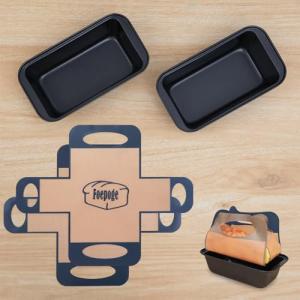
Mini pans — typically around 5×3 inches — are perfect for baking several small loaves at once from a single batch of dough or batter. This makes them ideal for gifting, for portion control, or simply for variety when you want to try a few different mix-ins from the same base recipe. They're also a smart choice for households where a full-size loaf would go stale before it gets eaten.
Pullman Pans
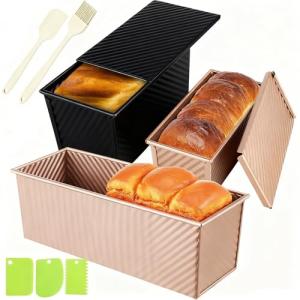
The Pullman pan is a specialized tool with a sliding lid. When the lid is in place, the bread rises and fills the enclosed rectangular space completely, producing a perfectly square loaf with a flat top and a fine, even crumb. This is the pan behind those dense, precisely shaped sandwich loaves you find in delis and restaurants.
Pullman pans come in standard and long sizes, and they require a slightly different shaping and filling technique than open-top pans. But once you've baked with one, you'll understand why they have such a devoted following among serious sandwich bread bakers.
Non-Stick Coatings: What to Look For
Non-stick coatings on bread pans range from basic to premium, and the quality of that coating affects both performance and longevity. Better coatings resist scratching, release bread more reliably over many uses, and don't degrade at normal baking temperatures.
Look for pans that specifically state they are PTFE-free, PFOA-free, and PFAS-free if you prefer to avoid fluorochemical coatings. Ceramic-based non-stick coatings have become increasingly popular as a cleaner alternative. They perform well for the first several dozen uses and are generally considered safer for those with concerns about synthetic coatings at high heat.
Regardless of coating type, avoid using metal utensils inside non-stick pans. Silicone or wooden spatulas protect the coating and extend the pan's useful life considerably.
Features That Make a Real Difference
Handles and rolled rims. A pan with sturdy rolled rims or integrated handles is significantly easier to move in and out of a hot oven. This sounds minor until you're juggling oven mitts and a heavy cast iron pan — then it becomes very relevant.
Reinforced corners. Corners are where pans tend to warp over time, especially under repeated exposure to high heat. Pans with reinforced or thickened corners maintain their shape far longer than basic models.
Pan depth. Deeper pans give dough more room to rise and are especially useful for enriched doughs like brioche or challah, which expand significantly during baking.
Color and finish. Darker pans absorb more radiant heat and produce more browning. Light or shiny pans reflect heat and bake more gently. Neither is universally better — it depends on what you're baking.
Beyond Bread: What Else You Can Bake in a Loaf Pan
The name says "bread pan," but these versatile tools are genuinely useful for a much wider range of recipes. Banana bread, pound cake, lemon drizzle cake, and other quick breads are obvious applications. But loaf pans also excel for savory recipes like meatloaf, vegetable terrines, and even small-batch lasagna.
Some bakers use loaf pans for ice cream cakes, refrigerator desserts, and layered no-bake bars. The straight sides and flat bottom make for clean, neat slices that hold their shape well.
How to Choose the Right Pan for You
Start with what you actually bake. If classic yeast sandwich bread is your staple, a 9×5-inch aluminized steel or carbon steel pan with a quality non-stick coating is probably your best investment. If you love rustic artisan loaves with thick, crackling crusts, consider cast iron. If you bake lots of quick breads and gifting to friends and family is part of the appeal, a set of mini pans alongside a standard size gives you great flexibility.
Don't overlook secondary features like dishwasher compatibility, oven temperature ratings, and whether the pan can go straight from fridge to oven — details that matter when a pan becomes part of your regular routine.
The right bread and loaf pan doesn't just produce better bread. It makes the process more reliable, more enjoyable, and a lot less frustrating. Browse the selection below to find the right fit for your kitchen and your style of baking.